How to Read the Flow of a Blackjack Table
Blackjack is often described as one of the most structured games in the casino. The rules are clear, the objective is simple, and the probabilities are well established. But anyone who has sat at a live blackjack table, whether in a land-based casino or a live dealer studio, knows that there is something else at play beyond cards and numbers. There is a rhythm.
The tables can feel calm and methodical or move quickly. At some tables, players are focused and quiet. At others, conversation and reactions fill the air. The energy can feel confident and steady or tense or unsettled.
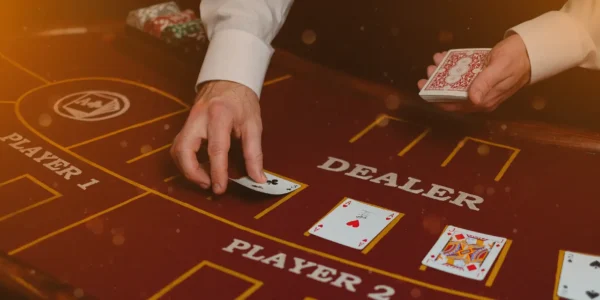
This flow doesn’t change the mathematics of blackjack. It doesn’t alter the house edge or the probability of drawing a high-value card. But it influences the experience of the game and the mental clarity while playing.
Reading the flow of a blackjack table is about recognising rhythm, pace, and behavioural cues so players can settle into a comfortable groove. It’s about understanding when a table suits a player’s style and when it might be better to step away.
Let’s break down what flow means in blackjack, how to observe it, and how to use it to create a smoother, more focused session.
What Does Flow Actually Mean?
In blackjack, flow refers to the tempo and behavioural atmosphere of the table. It includes the dealer’s dealing speed, how quickly players make decisions, the consistency of betting patterns, and the level of focus or distraction. It also relates to the emotional reactions to wins and losses and the overall pacing of rounds.
Think of it like a rhythm beat in music. The cards are the notes, but the tempo determines how the session feels. Some tables operate at a steady and predictable pace. The cards move smoothly, and players act confidently. The dealer maintains consistent timing. These tables feel controlled and balanced.
However, others may feel rushed or chaotic. One player hesitates, another changes bets unpredictably, and the dealer speeds up or slows down inconsistently. The rhythm becomes uneven. Neither is inherently better, but one may suit a mindset more than the other.
Why Flow Matters (Even Though It Doesn’t Change the Odds
The odds remain the same regardless of pace or mood. The cards do not respond to energy, confidence, or superstition. However, flow matters because blackjack is a decision-based game. Unlike roulette or slots, players make choices such as hit, stand, double, or split.
Those decisions are easier to execute calmly when players feel mentally aligned with the table’s rhythm.
A comfortable flow helps players stay focused and avoid rushed decisions. It allows players to resist emotional swings, maintain consistent betting discipline and think clearly through each hand.
An uncomfortable flow can lead to feeling pressured, overthinking or hesitating, and reacting emotionally to other players. Players can also end up chasing losses impulsively.
Flow affects the mindset, the mindset affects the discipline, and the discipline affects the experience.
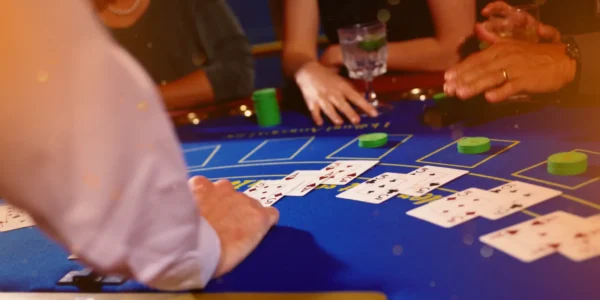
Step One: Observe the Dealer’s Pace
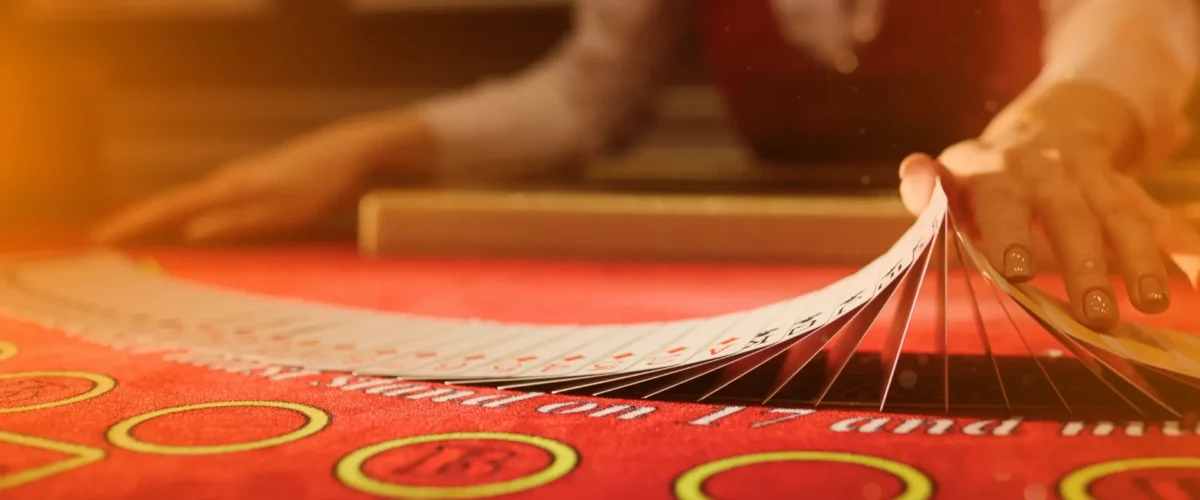
The dealer sets the backbone of the table’s rhythm. Some dealers move quickly and efficiently, dealing cards with minimal delay. Others are more deliberate, taking slightly more time between actions. In live dealer formats, studio standards usually maintain consistent speed, but individual dealers still influence pacing subtly.
When reading the flow, pay attention to how quickly cards are dealt and how smoothly rounds transition. Additionally, look for whether the dealer maintains a consistent tempo and how clearly they announce totals and outcomes.
A consistent dealer creates predictability and predictability builds comfort. If a dealer’s pace feels too fast, players may feel rushed. If it feels overly slow, players may lose focus. Neither is wrong, but players should notice how it affects them.
Step Two: Watch Player Confidence and Decision Speed
Other players shape the table flow significantly. Confident players who act quickly keep rounds moving. Hesitant players who repeatedly check totals or deliberate for extended periods can slow momentum.
Observe:
- Do players make decisions promptly?
- Are they asking frequent clarifying questions?
- Do they appear focused or distracted?
- Are they following the basic strategy confidently?
A table with confident players tends to feel smooth and structured. A table with uncertainty may feel unpredictable. This doesn’t change outcomes, but it changes how mentally settled players feel between hands.
Step Three: Notice Emotional Reactions
Blackjack tables often reflect collective emotional energy. After a strong dealer run, some players grow tense or visibly frustrated. After a few player blackjacks, excitement builds.
Watch how the table reacts:
- Do players celebrate loudly or stay quiet?
- Do losses trigger visible frustration?
- Does conversation escalate during streaks?
- Does mood swing dramatically between rounds?
Players don’t need to absorb that energy, but players should be aware of it. The emotional volatility at a table can subtly influence reactions. Reading the flow helps players maintain separation between the collective mood and decision-making process.
Step Four: Understand the Tempo of Betting
Betting patterns contribute to flow as well. Some tables maintain consistent wager sizes round after round. Others feature fluctuating bets, such as doubling after wins, increasing after losses, or changing unpredictably.
When bets swing dramatically, it can alter perceived intensity. Steady betting tends to create a calmer rhythm. Highly variable betting may make sessions feel more dramatic.
This doesn’t influence probability, but it influences atmosphere.
Related Blackjack Articles

Fast Tables vs Slow Tables
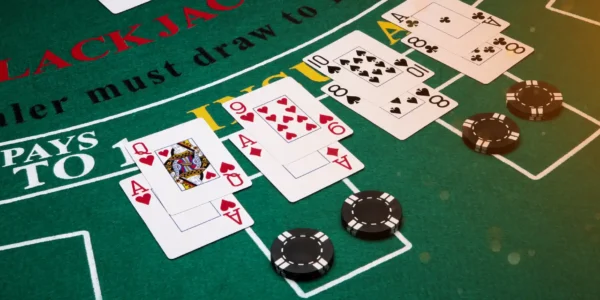
Not all blackjack tables operate at the same speed. Fast tables are characterised by quick dealer actions, confident player decisions, minimal downtime, and rapid round transitions. The advantage of the fast tables includes high momentum and reduced overthinking, making it an ideal table choice for players who want pace.
However, there are some challenges with these fast-paced tables, including less time to reflect, which can put pressure on and make it easy to lose track of time.
Slow tables often involve deliberate dealer pacing, hesitant players, longer decision pauses, and extended breaks between rounds. These give players more time to think in a more relaxed atmosphere, which offers easier emotional control.
However, slot tables can feel tedious, with momentum dropping and the risk of distraction increasing.
Neither table is superior. The key is recognising which rhythm suits players.
Shoe Depth and Flow
In live blackjack, especially in multi-deck games, the depth of the shoe can subtly influence table rhythm. When a new shoe begins, players may pay closer attention. The table can often feel reset emotionally, and the momentum temporarily stabilises.
As the shoe progresses, patterns may feel more significant and emotional reactions sometimes intensify.
While shoe depth doesn’t alter probability in casual play, recognising these psychological shifts helps players stay grounded.
Recognising When a Table Doesn’t Suit You
One of the most important aspects of reading flow is knowing when to move. Players might consider switching tables if the pace feels uncomfortably rushed or if players feel pressured to act faster than they’d like. The emotional reactions around may feel distracting, and the dealer’s rhythm could feel inconsistent. Additionally, if the session feels tense rather than focused, then players may wish to switch.
Online environments make table changes easy. Players are not obligated to stay in a rhythm that disrupts clarity. Choosing the right table is about comfort, not superstition.
Staying Mentally Anchored
Reading flow isn’t about adapting to the table emotionally. It’s about staying anchored. To maintain clarity, players should follow a strategy consistently, avoid reacting to streaks, keep bet sizes aligned, and use breaks when needed.
When players recognise the table’s rhythm without absorbing its emotional swings, it helps maintain control.
Collective Reactions and Emotional Contagion
Blackjack tables can experience emotional contagion where one player’s frustration or excitement spreads. This can happen when a player blames others for hitting on a hand or celebrates after beating a dealer streak.
These reactions do not influence outcomes, but they can influence mindset. Reading the flow means noticing this energy without internalising it.
Confidence and Body Language in Live Play
In live environments, visual cues matter. Confident posture, steady voice, and quick chip movements suggest comfort. Repeated hesitation, fidgeting, or visible frustration suggest tension.
Players don’t analyse opponents for advantage. They’re reading the atmosphere for alignment.
When the internal state matches the table’s rhythm, decisions feel smoother.
When Flow Supports Focus
The best blackjack experiences often happen when the dealer’s pacing feels consistent, players act decisively, and emotional reactions remain moderate. It’s also better if the betting remains structured and players feel calm between hands.
In this environment, players can focus purely on decisions.

Discipline Over Drama
Blackjack is a game of disciplined decision-making. Flow influences discipline. If the table feels dramatic, players may feel tempted to react emotionally. If the table feels calm, players are more likely to stick to structure.
Recognising flow helps players choose environments that support discipline.
The Psychology of Tempo
Human cognition works differently at varying speeds. Fast tempo encourages instinctive action, and slow tempo encourages reflection.
Neither guarantees better decisions, but knowing how players function helps players choose the environment wisely.
Flow and Enjoyment
Ultimately, reading flow isn’t about advantage. It’s about experience. Blackjack is most enjoyable when players feel mentally settled, not rushed or distracted, and aligned with the table’s rhythm. The right flow enhances enjoyment. The wrong flow creates friction.
Final Thoughts: Reading the Rhythm, Not the Cards
Reading the flow of a blackjack table is not about predicting outcomes. It’s about recognising rhythm across the dealer’s speed, players’ confidence, the tempo of betting, and the emotional atmosphere.
None of these changes the odds. But they change how players feel while playing, and how players feel influences how clearly they think.
By paying attention to flow, it gives players the best chance to remain calm, disciplined, and focused, regardless of what the cards bring.
In blackjack, the mathematics remain constant. But the experience is shaped by rhythm. When players learn to read that rhythm and choose the one that suits them. The game becomes smoother, steadier, and far more enjoyable.
FAQs
Does reading flow give me an edge over the house?
Why do some tables feel better than others?
Should I avoid emotional tables?
Is a new shoe a better time to join?
How do I know if a table suits me?
Does faster play increase risk?
Can other players ruin the flow?
What is the biggest mistake when reading flow?

Top Content

Trending