New vs Classic Online Casino Games: What’s Changed and What Hasn’t
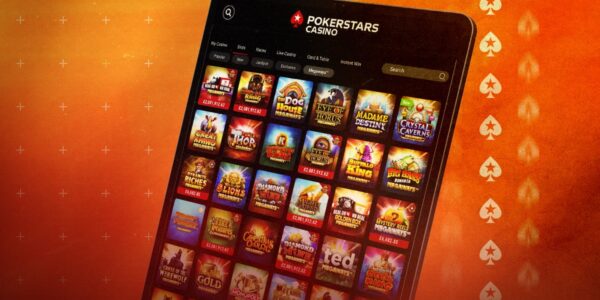
There’s a familiar moment that happens to almost every casino player sooner or later. You open the online casino lobby looking for something comforting like online blackjack, roulette online, or a few spins on an online slot and you’re met with a mix of the familiar and the futuristic.
The classics are still there, but beside them sit titles with multipliers, innovative bonus, side bets, expanding reels, mega wheels, crash mechanics, and game-show studios with neon lighting and live casino presenters.

Even as online casino games have evolved rapidly, the heart of most casino games hasn’t changed. The same core ideas across probability, risk and reward, bankroll management, and the entertainment of anticipation still drive the experience. What’s changed is how that experience is delivered and how it feels moment to moment. Additionally, how much choice players have over pace, volatility, and style of play.
The Classic DNA: Why Old Games Still Matter
To understand what’s changed, it helps to recognise what has always stayed the same. In roulette, it’s the bouncing of the ball, the slowing spin, and the final bounce into a pocket. In blackjack, it’s the slow reveal of a dealer upcard and the tension of deciding whether to take one more card. In slots, it’s the pause before reels stop and the tiny rush that happens when the symbols line up.
Online casinos began by recreating those rituals digitally. Early versions of blackjack, roulette, and slots were straightforward. The goal was simple, to make the online version feel like the land-based version, and make it trustworthy enough that players would keep coming back.
That classic DNA is still visible. Even the flashiest games still rely on familiar pillars, such as predefined rules, set payouts, and that classic casino sensation that something exciting could happen. In other words, the core structure hasn’t changed. The presentation and the mechanics around it have.
The Big Shift
Once online casinos proved they could recreate casino games digitally, game developers started asking a different question. Instead of “How can we make this feel like a real casino?” it became “What can we do online that a real casino can’t?”
That’s where the modern era begins. The internet allowed for game formats that would be difficult or impossible to run in a physical venue. Developers could introduce dynamic multipliers, bonus features triggered by RNG, persistent meters that build across spins, and effects that heighten the experience.
They could offer dozens of variations on the same underlying concept, letting players choose based on their appetite for risk.
The result is the casino lobby we know today. The classic games still sit at the centre, surrounded by modern interpretations that look like they belong in a different universe, but share the same underlying maths.

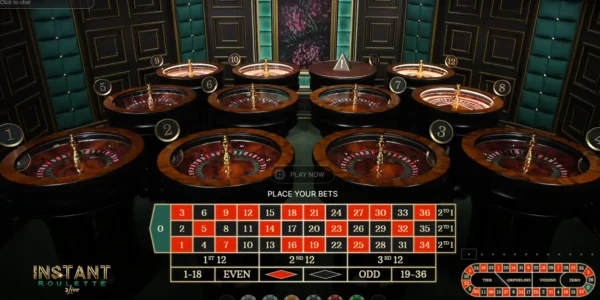
Roulette: Classic Wheel, Modern Momentum
Classic online roulette is an elegant maths game. You place your bets, the wheel spins, a number lands, and potential payouts follow. The house edge is set by the wheel layout, with single zero, double zero, or variants with special rules like La Partage and En Prison.
What’s changed is less about the rules and more about how roulette feels online now. Modern roulette games offer enhanced presentation with cleaner interfaces, faster betting, advanced statistics displays, hot and cold number trackers, and multiple camera angles in live dealer formats. These additions don’t change the odds, but they change the experience. Players can view spin history, switch tables quickly, and choose how much information they want on screen.
Then there are the newer roulette hybrids with multi-ball formats, lightning-style multipliers, and bonus round mechanics. These games keep the online roulette foundation but introduce more drama. The multipliers can turn a modest straight-up hit into a big win, but they also come with trade-offs in volatility. The wheel is still the wheel, but each spin becomes bigger.
What hasn’t changed is that roulette remains random and independent spin to spin. The wheel doesn’t remember. The casino edge doesn’t disappear. The difference is that modern roulette gives players more ways to choose their preferred pace.
Blackjack: Same Decisions, More Customisation
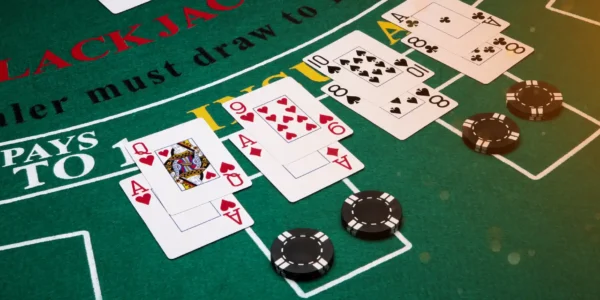
Online blackjack is a great example of a game where the rules have stayed stable, because the appeal is rooted in decision-making. Hit, stand, double, split, these actions create the feeling that a player has control. And in blackjack, unlike many casino games, decisions matter.
Classic online blackjack mirrors casino rules with minor variations. You play against a dealer, try to reach 21 without going over, and the dealer follows fixed rules. The maths is well-studied, and optimal play is widely understood.
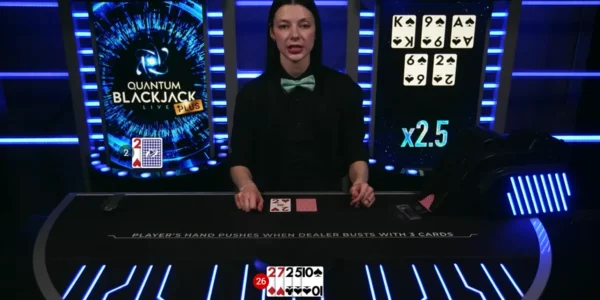
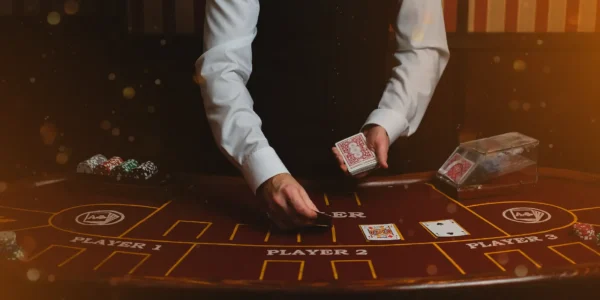
Modern blackjack hasn’t changed the essentials, but it has changed how players interact with the game. Online formats have introduced more table options and more betting limits. Live dealer blackjack brought the social element back, letting players watch real cards dealt in real time, and adding the feeling of sitting at a table rather than clicking through a screen.
The biggest modern development is the variety. The side bets have become more common, adding optional risk for larger payouts. Some versions add novelty rules or feature-driven twists, though these increase the house edge and shift blackjack away from its classic appeal.
The core tension of the dealer’s upcard, the decision point, and the delicate balance between aggression and caution have not changed. What’s changed is the ability to tailor the experience. The classic low-edge tables for purists, and feature-rich versions for players who want more excitement.
Slots: The Biggest Changes
Classic slots were simple. Three reels, a few paylines, and a straightforward paytable. The excitement came from the rarity of big hits, the easy rules, and the understanding of what you were trying to land.
Online slots quickly expanded beyond that. The reels can be five-wide, six-wide, or even dynamic. The paylines could multiply into hundreds or thousands of ways to win. The bonus rounds could become games within games.
Modern online slots introduced mechanics that didn’t exist in the classic era. The cascading reels replaced fixed spins in many titles, letting symbols fall and re-hit for chain reactions. The expanding wilds, sticky wilds, and multi-stage bonus features turned the slot spin into a new experience. The progressive jackpots added that lottery-like dream with the idea that one spin could change everything.
Then there is the rise of volatility as a choice. Players began to understand (and seek out) slots based on risk-tolerance. They can pick low volatility slots for frequent or high volatility, and everything in between. The features like bonus buys (not available in the UK) further changed how players approach slots.
Despite all that change, what hasn’t changed is the core appeal. The slots are still about anticipation and randomness, with outcomes governed by RNG and defined by the game’s mathematics. The modern slot is flashier, deeper, and often more complex, but it’s still built on the same fundamental promise: you never know what the next spin will bring.
Related Online Casino Articles


Live Casino: The Modern Bridge Between Old and New
One of the most important evolutions in online casinos has been the rise of live dealer games. The live casino is a response to the early digital era. Players wanted atmosphere with a human presence. They wanted the pacing and social engagement of a real table.
Live roulette and live blackjack gave that back with real wheels, real cards, and real dealers. All streamed from studios with high production standards. For many players, live casino solved the biggest gap between online and land-based play.
But live casino didn’t stop at recreating classic tables. It became a launchpad for the game-show casino format. Instead of dealing cards or spinning a wheel, live presenters host rounds built around multipliers, bonus wheels, and theatrics. These games are built for entertainment and spectacle.
The classic casino games are about quiet tension and modern live games are about dramatic reveals, big moments, and shared excitement. The mechanics are still random and rule-based, but the storytelling is different. It feels like an event rather than a betting hand.
Modern Mechanics: What ‘New’ Really Means
One new theme is multipliers. The multipliers turn the same base outcome into a range of possible results, making wins feel bigger and more memorable. Another theme is bonus features that trigger special modes, free rounds, or alternate payout structures. A third theme is progression, where meters build over time and create anticipation beyond the spin.

There’s also the modern concept of player pace control with faster spins, autoplay options, turbo modes, and quick betting tools let players choose tempo. In a physical casino, pace is constrained by the table. However, the auto spin function is not available for UK casino players.
These mechanics don’t change what the game is, but they change what the game feels like. They create memorable moments, and the sense that something is building.
Classic Rules: Why Simplicity Still Wins
With so much innovation, it might seem like classic games would fade into the background. But they haven’t. In many cases, they remain the most played games.
Classic roulette, blackjack, and traditional slot formats give players a clear understanding of what’s happening and why. You know what you bet, you know what it pays, and you can explain it to someone else in one sentence.
Classic rules also help players manage expectations. With fewer features and fewer layered mechanics, it’s easier to understand volatility and bankroll swings. For many players, that’s not a limitation, it’s the point.
Casino games have always been about more than the mechanics. They’re cultural icons. Roulette isn’t just a game, it’s a symbol. Blackjack isn’t just math, it’s a ritual of skill and risk. Players come to classics because they enjoy the familiarity and the simplicity.
Player Preferences: Why Some People Love New and Others Stick to Classic
Online casinos now cater to a wider variety of player types than ever. Some players are explorers and enjoy novelty and want games that surprise them. Others are purists who want classic rules, predictable pacing, and a familiarity.
A player who enjoys high volatility may be drawn to modern slots with massive multipliers and feature-heavy bonus rounds. A player who wants a steady, low-drama experience may prefer classic European roulette or blackjack with simple side bet-free rules.
Then there are the social players who gravitate toward live casino tables because the presence of a dealer adds comfort and atmosphere. And there are efficiency-minded players who prefer RNG table games because they want speed, flexibility, and instant results.
The best online casino recognise this diversity. They don’t try to force everyone into the same type of game. They offer a wide choice, letting players choose what matches their mood.
What Hasn’t Changed: The Core Casino Truths
For all the evolution, the foundations of casino gaming remain stable. Online casino games are still governed by probability, and the house edge is still built into the design of each game. The randomness still rules, whether it comes from RNG software or physical cards and wheels. Addtionally, responsible play is essential, because no game guarantees profit and variance can be intense.
What has changed is the amount of choice players have over the experience. Online casinos have become less like a single room with a few tables and more like a theme park with something for everyone. You can move from a classic blackjack table to a neon live studio game in seconds. You can switch from a simple slot to a feature-rich, cinematic title with a multi-stage bonuses, too. The casino hasn’t abandoned its roots. It’s expanded them.
Final Thoughts
New online casino games didn’t replace the classics, they built on them. They took the same basic ideas and gave them a makeover with new pacing, and new storytelling tools. For many players, this is the best of both worlds. The comfort of familiar rules alongside the excitement of new mechanics.
If you love classic games, the good news is they’re not going anywhere. They remain the backbone of casino gaming because they deliver clarity and timeless appeal. If you love modern games, there’s never been a better time to play. The range of mechanics, styles, and formats is wider than ever, offering something for every mood and preference.
In the end, the biggest change might be that online casinos have stopped being a single experience and become many experiences. The classics remain at the heart, but the ways to play around them have grown richer, louder, faster, and more personal. And that evolution is still unfolding.

Top Content

Trending