Why Poker Players Love PokerStars Casino: A Crossover Guide
Poker has always been a game of decision-making.
Every hand involves choices, when to bet, when to fold, when to push forward or step back. That structure is what keeps players engaged, not just the outcome, but the process behind it.
But even the most dedicated poker players don’t always stay at the table.
Over time, many begin to explore other games and other areas of interest. Not because they’re leaving poker behind, but because they’re looking for something that fits a different moment.
That’s where other casino games come in.
On platforms like PokerStars, poker doesn’t exist in isolation. It sits alongside blackjack, slots, and live dealer games, all within the same environment.
For poker players, this creates a natural crossover.
Why Poker Players Explore Beyond the Table
It’s About Variety, Not Replacement
Switching to casino games isn’t about replacing poker.
It’s about adding something different to the experience.
Poker sessions can be intense and time-consuming. They require focus, patience, and often a longer commitment. Casino games offer a contrast, something quicker, more immediate, and easier to dip in and out of.
That balance is what appeals to many players.
Matching the Mood
Not every session calls for the same level of focus.
Sometimes players want to think through every decision. Other times, they want something lighter, something that doesn’t require long-term concentration.
Casino games provide that flexibility.
A quick blackjack hand, a few spins on a slot, or a short live dealer session can fit into moments where poker might not.
Staying Within the Same Ecosystem
One of the key reasons this crossover works is convenience.
Players don’t need to leave the platform or create a new account to try something different. Everything is already there, accessible within the same system.
That familiarity makes exploration feel natural.
You’re not starting again somewhere new, you’re simply moving to another part of the same environment.
When is the best time to switch from poker to casino games?
Many players switch when they want a change of pace, either after a longer poker session or when they only have a short amount of time to play. It’s less about timing and more about what suits the moment.
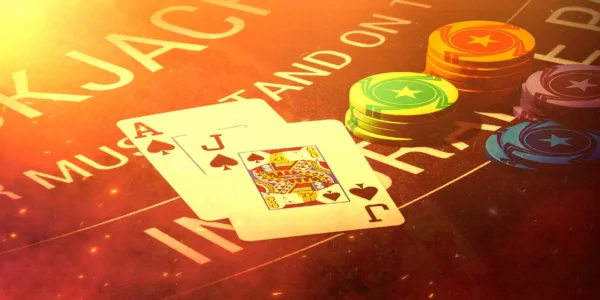
Blackjack: A Natural Step for Poker Players

Decision-Making at the Core
For many poker players, blackjack feels familiar almost immediately.
While the pace is different, the underlying appeal is similar. You’re still making decisions based on incomplete information, weighing risk, and thinking about probabilities.
It’s not just about the cards you have, it’s about how you respond to them.
Do you take another card?
Do you hold your position?
Do you increase your stake?
These moments mirror the kinds of decisions poker players are used to making, just in a more condensed format.
Why do poker players often prefer blackjack over other casino games?
Because it still involves decision-making. While it’s a different format, blackjack allows players to make choices each round, which feels familiar to those used to poker’s strategic thinking.
Faster Rounds, Same Engagement
One of the biggest differences between poker and blackjack is speed.
Poker hands can take time to develop, especially in longer sessions. Blackjack, on the other hand, delivers outcomes quickly, which makes it easier to play in shorter bursts.
But that speed doesn’t remove engagement.
Each hand still requires attention. Decisions still matter. The difference is that everything happens in a tighter loop, which can feel refreshing between longer poker sessions.
Structured Play Without Complexity
Another reason blackjack appeals to poker players is its structure.
There’s a clear framework to follow, but enough variation to keep things interesting. Over time, players become familiar with common strategies and how to approach them, much like recognising patterns in poker.
It’s not about memorising everything.
It’s about understanding the flow of the game and making consistent, informed choices.
A Smooth Transition on PokerStars
PokerStars places blackjack alongside poker in a way that makes this transition seamless.
Players can move from a poker table to a blackjack game without disruption, using the same account and balance. That continuity makes it easy to switch between formats depending on how you want to play.
Why It Works as a Crossover
Blackjack doesn’t try to replicate poker. Instead, it complements it.
It offers a similar sense of control and decision-making, but in a format that’s quicker and easier to step into. For poker players, that makes it one of the most natural places to explore next.
Live Dealer Games: Bringing Back the Table Feel

One of the biggest draws of poker isn’t just the game itself, it’s the environment around it.
There’s a rhythm to a poker table. The pace, the presence of other players, the feeling that something is happening in real time. It’s interactive in a way that goes beyond the cards.
Live dealer games tap into that same feeling.
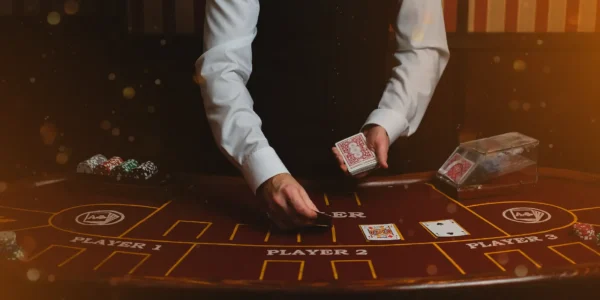
Instead of playing against a static interface, players join a table hosted by a real dealer, streamed in real time. There’s movement, structure, and a sense of presence that feels much closer to a traditional table environment.
For poker players, that familiarity matters.
A More Engaged Casino Experience
Online casino games can sometimes feel isolated.
You spin, you click, you move on. While that works in certain moments, it doesn’t always recreate the engagement that poker players are used to.
Live dealer games shift that dynamic.
Even though the decisions themselves may be simpler, the environment feels more active. You’re watching the dealer handle the game, seeing outcomes unfold in real time, and engaging with a format that feels more “alive”.
Real-Time Play Changes the Pace
Another key difference is timing.
In poker, you’re used to waiting for actions, observing the table, and reacting as things unfold. Live dealer games introduce a similar pacing.
You’re not rushing through outcomes.
Instead, each round follows a structured flow, giving players time to watch, think, and stay involved. It’s a slower, more deliberate experience compared to standard digital casino games.
Fun Insight: Why Live Tables Feel More Natural
There’s a simple reason live dealer games resonate with poker players.
They remove the sense of randomness that comes from instant results.
Even though outcomes are still unpredictable, seeing the process unfold, cards dealt, wheels spun, results revealed, adds a layer of transparency that feels closer to a real table.
For players used to reading situations and observing gameplay, that visual element makes a difference.
Variety Within a Familiar Format
Live dealer games also offer variety without losing structure.
Players can move between blackjack, roulette, and other table formats while staying within the same live environment. Each game feels slightly different, but the overall experience remains consistent.
That balance makes it easy to explore.
You’re not learning a completely new system each time, just adjusting to a different game within the same setting.
How PokerStars Delivers the Live Experience
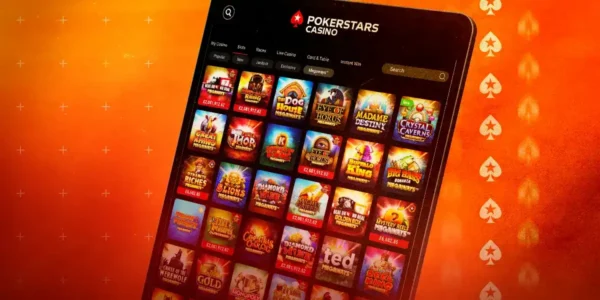
PokerStars integrates live dealer games alongside poker and standard casino formats, creating a connected experience across all areas.
For poker players, this means you can move from a competitive table to a live casino environment without losing that sense of real-time interaction.
Why Live Dealer Games Work for Poker Players
They sit somewhere between poker and traditional casino play.
They don’t require the same level of long-term strategy, but they still offer structure, pacing, and a sense of presence that many poker players naturally gravitate towards.
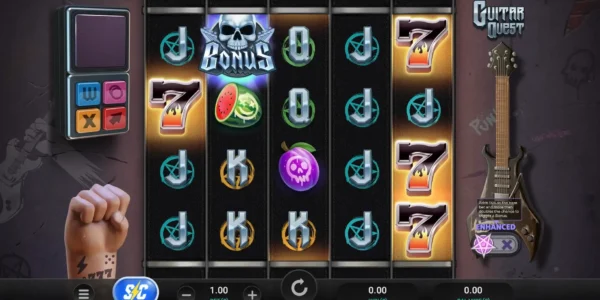
Slots: A Different Kind of Break for Poker Players
Stepping Away Without Logging Out
At first glance, slots might seem like the least obvious choice for a poker player.
There’s no opponent, no bluffing, and no layered decision-making in the same way. But that’s exactly why many poker players end up gravitating towards them.
They offer a break.
Not a complete shift away from the platform, just a different pace that fits between or after more focused sessions.
Switching Off Without Switching Platforms
Poker demands attention.
You’re reading situations, thinking ahead, and staying mentally engaged over time. That level of focus isn’t always something players want to maintain for every session.
Slots provide contrast.
They’re quicker to enter, simpler to follow, and don’t require the same level of sustained concentration. For many players, that makes them an easy way to unwind without leaving the environment they’re already comfortable in.
The Appeal of Instant Outcomes
One of the biggest differences between poker and slots is how quickly results are delivered.
Poker hands build over time. Slots resolve in seconds.
That immediacy changes the experience.
Instead of waiting for outcomes to develop, everything happens in short bursts. For players used to longer sessions, this can feel like a reset, a way to stay engaged without committing to a full game.
Insight: Why Poker Players Don’t Always Want Strategy
It might seem counterintuitive, but not every session is about making the best possible decision.
Even experienced poker players sometimes want something simpler. A format where they can step back from constant analysis and just experience the flow of the game.
Slots offer that contrast.
They remove the pressure of decision-making while still providing structure, visuals, and momentum.
Variety Without Complexity
Modern slots also bring variety in a different way.
Themes, features, and mechanics like cascading reels or expanding symbols keep things visually engaging, even without requiring deeper strategy.
That variety can be appealing after longer poker sessions.
It’s less about control, and more about experiencing something different within the same platform.
How Poker Skills Translate Across Casino Games

It’s Not the Same Game, But the Mindset Carries Over
Poker players don’t approach games in the same way as everyone else.
Even when stepping into casino formats, there’s often an underlying instinct to assess, observe, and respond, even in games that don’t require it.
That mindset doesn’t disappear just because the format changes.
Instead, it adapts.
Risk Awareness Feels Familiar
One of the biggest carryovers from poker is how players think about risk.
In poker, every decision involves weighing potential outcomes. That same awareness often shapes how players approach games like blackjack or roulette.
It’s not about controlling the result.
It’s about understanding what’s happening in the moment, recognising when to be more conservative, and when to be more open to risk.
Even in faster-paced games, that awareness can influence how players engage.
Reading the Flow of Play
Poker players are used to reading situations over time.
While casino games don’t involve opponents in the same way, there’s still a sense of rhythm, especially in live formats.
How quickly rounds move, how outcomes are revealed, and how sequences develop all contribute to a broader sense of flow.
Players who are used to tracking patterns of behaviour often find themselves naturally observing these elements, even when they aren’t directly actionable.
Comfort With Uncertainty
Another key trait is comfort with uncertainty.
Poker players accept that outcomes aren’t always predictable. The same applies across casino games, even if the structure is different.
That familiarity with unpredictability makes it easier to move between formats.
You’re not expecting control over the outcome, you’re engaging with the process.
A Different Kind of Engagement
This is where the crossover becomes interesting.
Poker is deeply strategic, while many casino games are more immediate. But the engagement doesn’t disappear, it simply changes form.
Instead of long-term decision-making, it becomes about short-term interaction, observation, and pacing.
For poker players, that shift can feel natural rather than unfamiliar.
How PokerStars Supports This Crossover
PokerStars brings these different formats together in a way that allows players to carry that mindset across the platform.
Poker, casino, and live games all sit within the same environment, making it easy to move between them without feeling like you’re starting from scratch.
Short Sessions vs Deep Play: Choosing the Right Format

One of the biggest shifts poker players experience over time is how their sessions change.
Some days call for focus, patience, and a longer stretch at the table. Other times, it’s just a quick log-in, a few hands, or something to fill a short gap in the day.
That variation is completely normal.
And it’s where having access to multiple formats starts to make a difference.
When There’s Time to Settle In
Poker naturally lends itself to longer sessions.
There’s a rhythm to it, hands build over time, decisions stack up, and the experience develops gradually. For players who enjoy that depth, it’s part of the appeal.
But it does require time.
You can’t always dip in and out without breaking that flow, especially in more competitive or structured formats.
When Time Is Limited
This is where other formats come into play.
Casino games offer something poker doesn’t always provide, quick entry and quick resolution. You don’t need to commit to a long session to feel engaged.
A few minutes can be enough.
That flexibility makes it easier to stay connected to the platform, even when time is tight.
Switching Between Depth and Simplicity
What makes cross-vertical platforms stand out is the ability to move between these two modes without friction.
You’re not choosing between poker or casino.
You’re choosing what fits your time.
A longer session might start with poker and naturally shift into something quicker. Or a short session might begin with a quick game and later develop into something more involved.
That flexibility keeps the experience adaptable.
A More Realistic Way to Play
For many players, this reflects how they actually use platforms.
Life doesn’t always allow for long, uninterrupted sessions. Being able to adjust how you play, without needing to leave or switch systems, makes everything feel more practical.
PokerStars supports this by offering multiple formats within the same environment, allowing players to move between deeper and shorter experiences depending on what suits them.
What’s the easiest way for a poker player to explore casino games?
Start with formats that feel structured, like blackjack or live dealer tables. These tend to offer a clearer flow and can feel more familiar before moving on to faster or more visual games like slots.
Why Trust Makes Crossover Feel Natural
For many poker players, stepping into a different format isn’t just about learning new rules, it’s about confidence.
Trying a new game on an unfamiliar platform can feel uncertain. You’re not just learning the game, you’re also questioning how everything works behind the scenes.
That hesitation disappears when the platform is already trusted.
If you’ve spent time playing poker in a space that feels reliable, moving into casino or live games doesn’t feel like a leap of faith.

Familiar Platform, Different Experience
One of the reasons crossover works so well is because the environment doesn’t change.
The same account, the same structure, and the same overall standards carry across every part of the platform. Even when the game itself is new, the surroundings are not.
That familiarity is important for enjoyment.
You’re not learning everything from scratch, you’re simply exploring a different part of something you already understand.
Confidence in the Experience
Trust also shapes how players engage.
When a platform has a strong reputation, players are more open to trying new formats. There’s less need to question how games are run or how outcomes are handled.
That doesn’t change the nature of the games themselves.
It simply makes the experience feel more comfortable from the start.
How Reputation Supports Exploration
PokerStars has built its reputation primarily through poker, but that trust is important across the entire games library, and it’s something we value.
For players, this means that trying blackjack, slots, or live dealer games doesn’t feel like stepping into the unknown. It feels like exploring something new within a space they already recognise.
Why This Matters for Crossover Play
Crossover isn’t just about access, it’s about confidence.
Having multiple formats available is one thing. Feeling comfortable enough to explore them is another.
Conclusion
For poker players, the appeal of casino games isn’t about replacing what they already enjoy.
It’s about expanding the experience.
Poker offers depth, strategy, and long-form engagement. Casino games, whether that’s blackjack, slots, or live dealer formats, offer contrast. They bring different pacing, different levels of interaction, and different ways to stay engaged.
Together, they create something more flexible.
On platforms like PokerStars, that flexibility feels natural. Everything sits within the same environment, making it easy to move between formats without losing familiarity or momentum.
Some sessions will stay focused on poker. Others will branch out.
And that’s the point.
The crossover isn’t about choosing one over the other, it’s about having the freedom to play in a way that fits the moment.
Related Poker Articles
FAQs
Why do poker players try casino games?
Which casino game is closest to poker in terms of decision-making?
Do poker skills transfer to casino games?
Are casino games quicker to play than poker?
Can you switch between poker and casino games easily?
Do poker players stick to one type of game?
Top Content


Trending