The Dos and Don’ts of Checking Poker Results
Monitoring your own play is a fantastic way to keep your game moving in the right direction. Poker tracking software tools which store your hands and generate stats to help you find your leaks are invaluable – but even in 2025, one common problem still persists: becoming too results orientated.
The longer we play online poker, the more hands we accumulate. The more hands we accumulate, the less of an effect luck will have on our results. Over small samples, luck plays a very big role indeed, which is still one of the biggest mental-game challenges today. Many players are making their decisions based on GTO rather than exploiting opponents, which can make the emotional rollercoaster of short-term variance feel even more jarring.
Here are some guidelines for getting the most out of your tracking software while avoiding short-term results obsession.
DO: Review your Sessions Afterwards
This means pulling up the hands that perplexed you the most and objectively critiquing your line, being careful to put yourself back in your past self’s shoes – using only the information you possessed at the time of the hand. Try developing a tagging system to archive hands. If you’re a very detail-oriented person, why not take screenshots of reviewed hands and put them into a Word document or PowerPoint with your own annotations? Keeping a library of reviewed hands is a great way to consolidate your improvement over the long haul. Many modern poker software allow you to tag hands, so you can export them later and share with your friends or a dedicated community study group, helping the post-session analysis process.
DON’T: Assume Losing Hands Were Misplayed
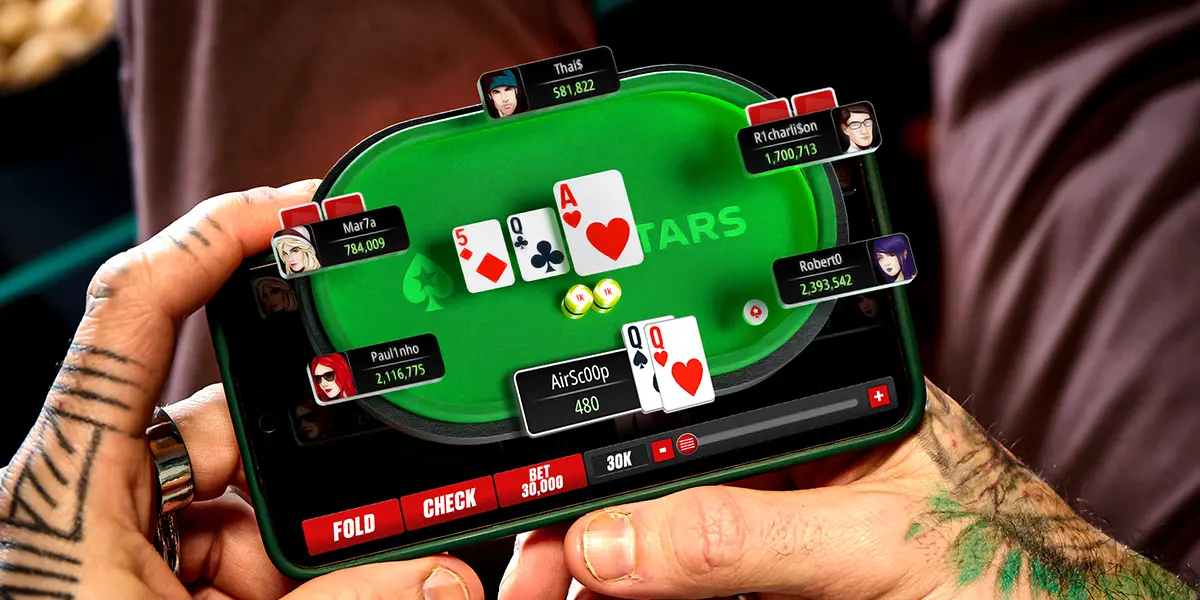
During post session review, it is tempting to adopt the role of the fixer. This often involves working your way through losing hands and trying to force a different outcome by changing the actions which led to the large loss. This is backwards thinking. Very often, our biggest losing pots will come simply only from being on the unfortunate end of variance. Your river bluff may have been perfectly profitable given the information at the time – for example, you believed the average regular’s range is weak in this spot and they’re therefore very likely to fold. You cannot fault yourself for something you could not know – that Villain happened to turn a set with what was an underpair on the flop.
By assuming that a losing hand necessarily contains a technical problem, you will create a very unhealthy link between bad luck and drops in confidence. This is something we desperately want to avoid as poker players. Your number one goal in poker is high-EV play – not profit in every individual hand. Think of variance like it’s the price of playing optimally.
DO: Look at your Graph for Long-Term Analysis
The first thing to do when examining a database is to look at the graph showing all the hands played. This is not just to get a sense of whether this player is a winner at their current stakes; it also lets me see their style. There are two supplementary lines that describe how the overall wins and losses (the green line) is made up. One tracks money won or lost at showdown (the blue line), and the other, money won by making people fold or lost by folding oneself (the red line).
Players who have a healthy blue line are usually decent at getting value for their good hands and normally don’t have big problems finding the fold button when required. They are in good shape when lots of money goes into the pot and this is a solid foundation from which to build more aggression into your game. However, a good blue line is not always a good sign. Sometimes players are far too tight. Their blue line looks strong because they refuse to invest money in pots unless in very good shape. The result of this is a plummeting red line from folding too often and a poor overall win-rate (green line).
A healthy red line shows a willingness to steal pots, bluff and use larger bets. These traits are essential for becoming a winning player. However, when the red line is too winning, it means that the player is overdoing aggression and betting in bad spots where checking would yield a higher EV. It may also mean that he is refusing to fold in spots where he has a very poor pot share by calling. In these cases, the player’s blue line is absorbing all the damage.
At the end of the day, it is the green line which truly matters but analysing the other two lines can be a good diagnostic tool for improving it.

DON’T: Check you Graph or Bankroll Mid-Session
This is a disastrous mental-game leak that can quickly turn into a destructive habit. Players who pull up their graph after every big winning or losing hand experience unnecessary emotional swings that are completely out of their control. Since we cannot determine how we run in the short-term, looking at the peaks and troughs of your mid-session graph is a sure way to let poker drive you insane. You are teaching your brain to initiate lots of positive emotions while luck is on your side and staring at what looks like failure when it is not.
A much better practice is to train yourself to only check your graph or bankroll when considering moving up or down in stakes or when performing very long-term analysis as described above. Did you know it is possible to hide your bankroll in the PokerStars lobby simply by clicking on the little eye symbol next to your bankroll at the top right? If you are playing with sensible bankroll management, there is no need to always know how much is in your account. Players who look mid-session are forever obsessing about luck and neglecting decision-making, which is the true determiner of your green line in the long run. You might find the serenity that comes from not knowing how well a session is going in monetary terms a refreshing change.
Conclusion
Tracking results is something we should all do if we want to get the most out of technology and keep improving at poker. Knowing how to do this in an objective analytical way is key to success while avoiding the common traps of results obsession.
FAQ
When is the best time to check your bankroll or poker graph?
If you lose a big pot does that actually mean you played the hand badly?
In the modern game, is exploitative play or GTO a better approach?



View Other Blogs