21+3 Blackjack: Live Dealer vs RNG Compared
It’s easy to see why blackjack online has become a staple for online casinos. The goal of trying to reach 21 without going over is simple enough for players of all experience levels to grasp, but also offers room for strategy and fun side bet options.
While the base game has remained the same for centuries, modern blackjack has evolved to include optional extras that give the table more exciting variation. Take the 21+3 side bet, which is a wager that merges blackjack with the hand rankings of poker.

What Is 21+3 Blackjack?
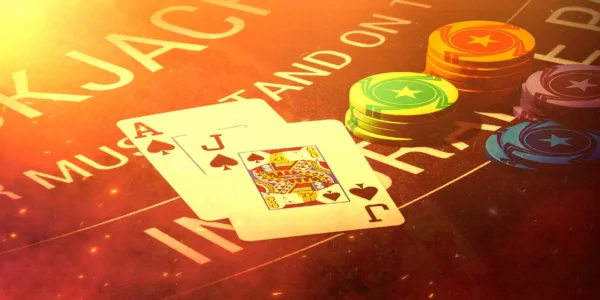
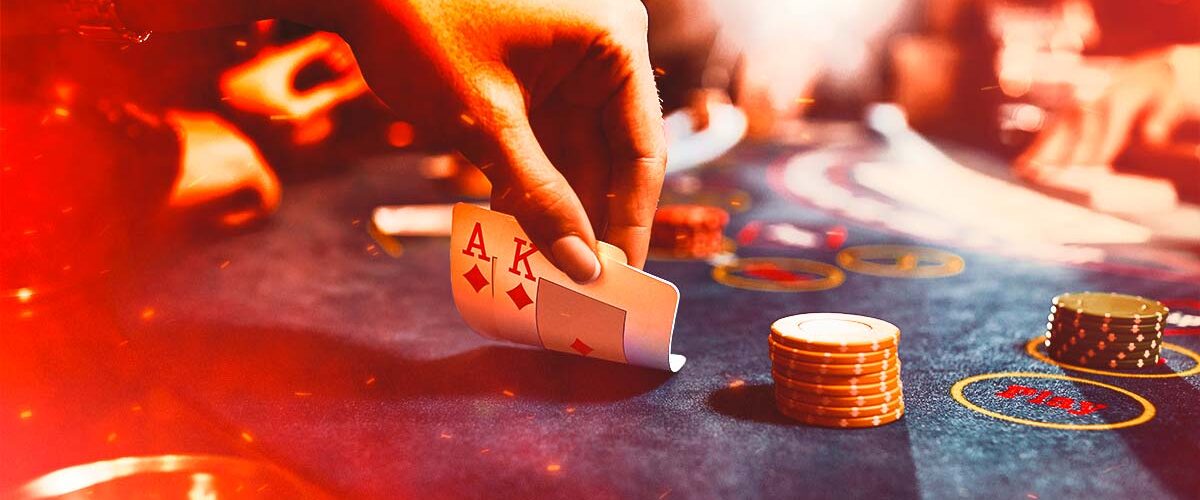
To understand why 21+3 has become so popular, it helps to first break down exactly what this side bet is. In classic blackjack, the goal is to beat the dealer by creating a hand that’s closer to 21 without going over. This is the main bet, and it sticks around regardless of whether side bets have been added. The 21+3 side bet, however, is placed at the very beginning of a round alongside the main bet. Instead of playing out over the full hand, the 21+3 side bet is decided straight away. It uses only three cards: the player’s first two and the dealer’s upcard. If those three form a traditional poker-style hand, the bet pays out according to the paytable.
Just like in poker, the most common winning outcomes include flushes, straights, three-of-a-kinds, straight flushes, and the rarest of all, the suited three-of-a-kind. For example, if a player gets a seven of hearts and an eight of hearts, while the dealer shows a nine of hearts, that creates a straight flush and would have a higher payout than a standard blackjack hand ever could. At the very top end, a suited three-of-a-kind can pay 100x the stake, which is why players find the 21+3 side bet so appealing. Other hands, such as straights or flushes pay at lower multiples, but there’s a higher chance of them forming.
What makes 21+3 really appealing is how simple it is. The side bet is decided straight away once the three cards are revealed. There’s no decision-making and no other influence over the outcome once the bet is placed. Either the combo is a winner, or it’s not, and the outcome is determined before the base hand continues. The speed and straightforward nature are two of the reasons why the offer of placing 21+3 side bets has become so popular in blackjack at both land-based and online casinos.
Related Blackjack Articles


Why Do People Make 21+3 Blackjack Bets?
The big draw of 21+3 is that it can make a blackjack session feel more exciting. Even if the player’s base hand doesn’t look very promising, there’s always a chance to snag a surprise win with the side bet. The chance of forming a three-card flush or a rare straight flush adds suspense to every round, giving players something extra to hope for. The large potential payouts also give the impression of high-value wins compared with the relatively smaller rewards of the base game.
With that being said, this excitement comes with an important trade-off. The house edge on 21+3 is much higher than that of a standard blackjack game. While different blackjack strategies can reduce the house edge slightly in theory, 21+3 typically has a house edge that ranges from around 3% to over 7% percent, depending on the paytable. This means that, statistically, the casino keeps a bigger long-term advantage over players who often use the 21+3 side bet. The rarer hand combinations that pay the largest amounts don’t happen often, which leaves it down to pure luck with no input to increase the strength of the hand. For that reason, 21+3 is not seen as a strategic play but rather as adding a fun bonus wager alongside the main blackjack game.
Live Dealer Blackjack With 21+3
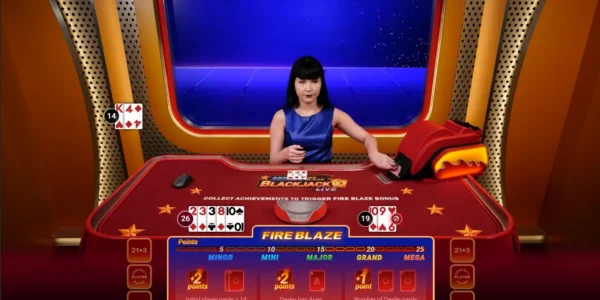
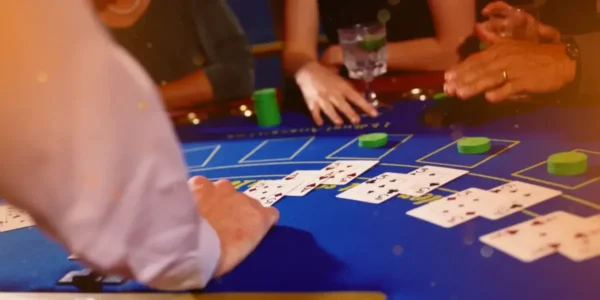
Live dealer blackjack has become one of the standout casino games hosted by PokerStars, combining the familiar blackjack format with the convenience of playing from home. Players join a live-streamed table where a real human dealer handles cards within a professional studio, using either manual shuffling or automatic shufflers. The cards are visible through the feed, creating the sense of being physically at the table, while keeping things transparent.
When 21+3 is introduced into live dealer games, the visual aspect becomes a massive part of the experience. Having the dealer reveal the upcard alongside a player’s first two cards adds an authentic feeling that standard RNG blackjack games just can’t recreate. A flush or straight appearing in front of the camera feels real and can bring the same adrenaline rush as being physically sat at the table. Having a live dealer also brings a social element into the mix, as players can interact with the dealer and others through the chat function.
When it comes to paytables, live dealer blackjack usually sticks to a specific structure across an entire studio to keep things consistent. If the side bet pays five to one for a flush or forty to one for a straight flush at one table, the same rules will usually apply over the studio’s other sessions. That makes it pretty straightforward to know what to expect when playing 21+3 in this format. The house edge remains within the same 3% to 7% range, depending on how the payouts are structured.
The main drawback (for some) of live dealer blackjack for side bets is the slower pace of play. Each hand needs to be shuffled and dealt, as well as the dealer and player interacting with each other. This means there’s less side bet opportunities per hour compared to its digital counterparts. For some players, this slower pace is a good thing, since it draws out the tension and makes each hand feel more important. For others, especially for those looking for quick-fire action, it may feel too sluggish.
RNG Blackjack With 21+3
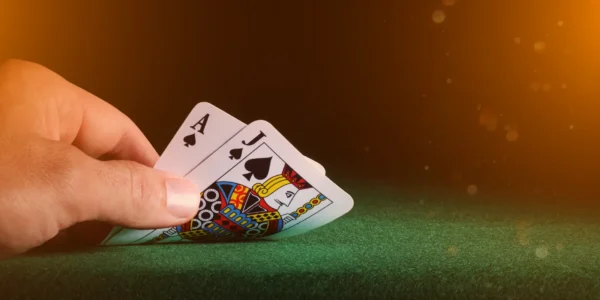
RNG, or random number generator, blackjack, are games that are purely software-based. Rather than using physical cards, the game uses certified algorithms to simulate card draws. The system is designed to produce outcomes with the same probabilities as a physical deck, and it is strictly tested to make sure they are fair and compliant with gambling regulations.
Adding 21+3 blackjack side bets in an RNG title creates a whole different experience from live dealer tables. Instead of waiting for a dealer to reveal the cards, the software displays the hand straight away (although some may have animations to add a little suspense). Like in live formats, the side bet result is announced straight away. The pace is much quicker, allowing players to experience many more rounds in the same timeframe than they could in live dealer blackjack.
Because RNG blackjack plays out much more quickly, the results of side bets fall into line with the expected RTP (in theory). Over a long run of hands, the edge is more likely to show itself sooner than it would at a slower live dealer table. That can be seen as a positive, since it keeps outcomes more consistent, but it also means lucky streaks can fizzle out more quickly.
RNG blackjack also offers more flexibility when it comes to the paytables. Some platforms, like PokerStars, sometimes offer other variations with different payout structures or even progressive jackpot versions of side bets. While these features can make the game more layered and exciting, it’s important for players to pay careful attention to the paytable, since small differences in payouts can really alter the house edge.
Related Blackjack Articles


The Main Difference Between Live & RNG Blackjack
One of the most important factors in comparing live dealer and RNG formats is that the underlying maths of 21+3 stays exactly the same. A flush in a live dealer game pays the same as a flush in an RNG game if the paytable is identical. The probabilities of hitting a straight or three-of-a-kind are dictated by the number of decks in play, not by whether the cards are dealt by a human or generated by an algorithm.
For example, in a six-deck game using one of the standard paytables, the house edge for 21+3 has been calculated to be around 3.2%. Other paytables push this closer to 4% or even higher. Compared with side bets such as Lucky Ladies, which has the possibility of boosting the house edges into double digits, 21+3 is relatively balanced, although it can be more costly than the main blackjack bet.
What this means in practice is that both live dealer and RNG versions of 21+3 offer the same long-term outcomes as long as the paytables and deck counts are equivalent. The main differences aren’t with the odds, but in the pacing and how the formats are presented.
Experience and Atmosphere
Where the two formats differ when it comes to 21+3 blackjack is in how the experience feels. In live dealer blackjack, the anticipation of waiting for cards to be revealed adds a lot of tension. Harder to land hand combos in a live blackjack game can create adrenaline-fueled moments worth celebrating, regardless of the actual stake. The slower pace, the dealer, and the social aspect offer an environment that matches the energy of a physical casino.
On the other hand, RNG blackjack is a solo and efficient experience that lets people play at a pace that suits them. The outcomes happen more quickly, with software effects taking the place of live reactions. Wins come and go faster, which can make them feel less momentous but also means more rounds can be played in a single online blackjack session. For players who enjoy packing in as many hands as possible in the time they have to play, RNG blackjack can be more appealing. For those who prefer the immersion of a casino setting, however, it may feel a little lacklustre.
Same Math, Different Atmosphere
In terms of the stats, live dealer blackjack and RNG blackjack play out exactly the same. If the paytable and the number of decks match, the odds of landing a flush, straight, or three-of-a-kind in 21+3 are identical. The real difference comes down to the feel. Live dealer games bring a little more drama, with real cards dealt on camera and the added sense of trust from seeing the action unfold in real time and in HD. RNG blackjack moves at a much quicker pace, with instant results and a smooth on-screen interface guiding the player. Both formats are independently tested by bodies like eCOGRA and fully licensed in the UK, so whichever style a player prefers, the fairness is the same.
Live Dealer vs RNG – Why House Edges Matter
In both live dealer and RNG blackjack, the maths behind 21+3 is the same, but the way the paytables work out can differ. Live dealer studios usually set one paytable and apply it across all their tables. That means if a flush pays five to one and a straight flush pays forty to one at one table, the same will be true across the studio’s live games. This consistency makes it easy to know what to expect and offers transparency. With that being said, it also means that if the payouts are on the lower side, the higher house edge is built in and can’t be changed unless a different format is chosen.
For RNG blackjack, there tends to be more flexibility. Game developers sometimes add payout structures, even within the same platform. This means that two versions of 21+3 might not be identical. A flush might pay five to one in one RNG game, while in another it might only pay four to one. That single step down doesn’t sound like much, but it shifts the long-term predicted return, raising the house edge by a much larger margin. It’s the same with rarer hands like three-of-a-kind or straight flushes. When the paytable is slightly reduced, the edge climbs quickly, from around 3.24% in a six-deck version to closer to 4% or even 7% in some versions.
This is why checking the info page, which is clearly shown on all PokerStars titles, is incredibly important for both formats. In live dealer games, it reassures the player that the payouts won’t change between tables. In RNG blackjack, it acts as a guide to help spot where a paytable might be more or less generous. The probabilities of landing a flush or straight don’t change between live dealer and RNG blackjack, but the value of those wins absolutely does. That’s why paytable values are such a massive factor when deciding whether 21+3 feels more rewarding in practice, and why checking the rules before betting is always worth the few extra seconds before making a commitment.
Fun First With 21+3 Blackjack
It’s important to remember that while 21+3 can be entertaining, it should be seen as an optional extra rather than a core part of any blackjack strategy. Side bets can easily make some players bet a little too recklessly, as they see it as a safety net for more opportunities to win on their base bet, but that’s not the case. The higher house edge means it doesn’t give an advantage statistically, and it carries higher variance than the main game. The safest way to enjoy it is to treat it as a small bonus rather than the main focus.
When looking for the best blackjack formats that offer 21+3, it’s a good idea to find online casinos that offer regulated, tested and strictly audited platforms like PokerStars, that meet the industry standard. RNG systems are independently certified, while live dealer studios operate under strict licensing conditions.

21+3 Blackjack – Which Format Is the Best?
Comparing live dealer and RNG blackjack with the 21+3 side bet, the truth is that the underlying game always remains the same. The probability of hitting a flush or a straight does not change depending on who or what is dealing the cards. What does change is the way the experience feels, the pace of play, and the atmosphere surrounding each hand.
In live dealer blackjack, 21+3 can feel more tense and dramatic as cards are revealed in real time. The slower pace makes each hand feel more impactful, and the social aspect of a real-life dealer adds plenty of immersion. In RNG blackjack, the main appeal lies in the speed, efficiency, and variety that the software can offer with modern blackjack games. Side bets pay out straight away, sessions move faster, and paytables may vary more often, offering occasional twists that keep things interesting.
For PokerStars, offering both formats makes sure that players can choose a blackjack style that best suits them. Those who sway toward the casino atmosphere and dramatic moments, live dealer tables provide the most authentic experience. For those who value speed and volume, RNG blackjack offers more efficiency and consistency. In both cases, the side bet should be enjoyed for what it is: an entertaining extra that has the chance of delivering some memorable moments and bonus payouts, without it being mistaken for a solid strategy.
FAQs
What is the 21+3 side bet in blackjack?
How does 21+3 differ in live dealer vs RNG blackjack on PokerStars?
What kind of house edge does 21+3 usually have compared with the main game?
Does deck count affect 21+3 outcomes?
Is 21+3 available in both live dealer and RNG formats on PokerStars?
Is 21+3 good for guaranteeing payouts?

Top Content


Trending