Roulette Glossary: Every Term a PokerStars Player Should Know
Roulette has been around for centuries, and in that time, it has picked up a language of its own. Some of it is practical, like the physical parts of the wheel, while others come from its French roots, with terms like croupier, en plein, and la partage still used today in online roulette.
That mix of roulette terms doesn’t just appear in live dealer games with real tables. It also carries into RNG versions, where the same language helps explain the layout, the bets, and the result. The wheel and chips may be digital, and the outcome may come from software, but the terms still make the game easier to follow.
The Wheel: Parts Players See on the Table
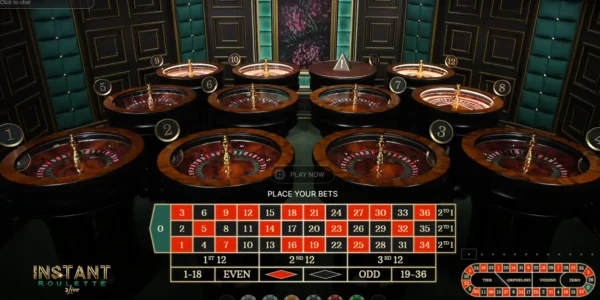
The roulette wheel is the centre of the game, but there’s more going on than a spinning disc with numbers around the edge. A live wheel has fixed parts, moving parts, and small details that shape the way the online casino game is played.
Wheel, Pockets, Zero, and Double Zero
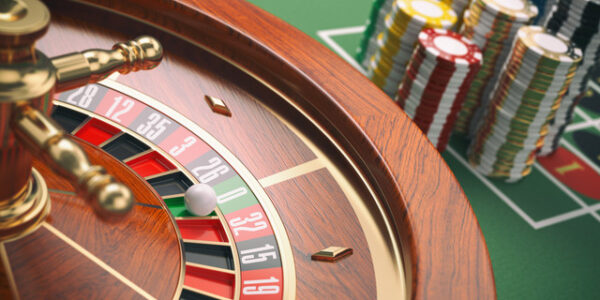
Wheel – At the simplest level, the wheel is the round piece of equipment that determines the result. European roulette has 37 pockets, numbered 0 to 36. American roulette has 38 because it includes both 0 and 00.
Pockets – These are the numbered spaces where the ball can land. Numbers from 1 to 36 are split between red and black. Zero is green, and on an American wheel, double zero is green as well.
Zero – One of the key spaces on the wheel because it doesn’t belong to red or black, odd or even, high or low. That is why roulette isn’t a true 50/50 casino game, even when a bet covers a large section of the layout.
Double Zero – The extra green pocket found on American roulette wheels. It changes the structure of the wheel and gives American roulette a different house edge from European roulette.
Related Roulette Articles

Ball Track, Deflectors, and Separators
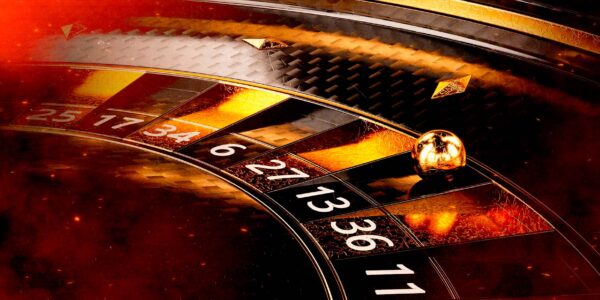
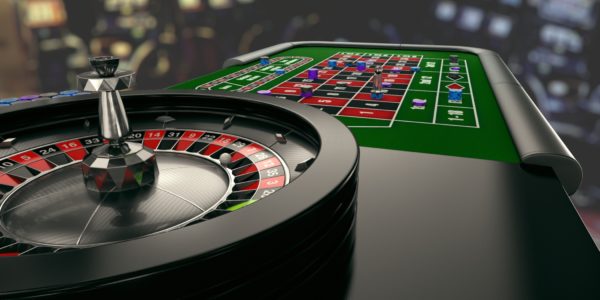
Ball – In live roulette, the ball travels around the outer rim, loses speed, hits the deflectors, drops into the lower part of the wheel, and eventually settles in a pocket.
Ball Track – Sometimes called the backtrack, the ball track is the outer rim where the ball travels at the start of a spin. This is the smoothest-looking part of roulette. The ball circles at speed while the wheel turns below it.
Deflectors – The small shapes that interrupt the ball after it leaves the track. They are also called diamonds because of their shape. Once the ball reaches them, the spin becomes rougher. It can change direction more sharply, drop towards the pocket ring, and move into the final part of the round.
Separators – Also called frets, the separators divide the numbered pockets. They help shape the last few seconds of the spin, where the ball rattles, clips, jumps, and finally comes to rest. They are easy to overlook because they are small, but they do a lot of the work.
Wheelhead, Bottom Track, and Marker
Wheelhead – The spinning inner part of the wheel that contains the numbered pockets. It sits inside the outer bowl.
Bottom Track – The lower, sloped section where the ball moves after leaving the outer track. This is where the spin starts to look rougher and less controlled.
Marker – Often called the dolly, the marker is placed on the winning number after the ball has landed. It marks the result while the dealer clears the table and prepares for the next round. In live roulette, it also gives the table a clear pause before the next betting window begins.

Bet Types: Reading the Layout
Roulette bet names mostly describe where the chip goes and how many numbers it covers. Some bets sit on the numbered part of the table. Others sit around the outside of the layout. Some cover one number, while others cover bigger groups.
Inside Bets
Inside bets are placed on the numbered area of the table. They cover single numbers or small groups of numbers, which is why they usually pay more than outside bets.
Straight-Up Bet – Placed directly on one number. The French term is en plein, and the name is fairly literal because the chip sits on the exact number being covered.
Split Bet – Covers two adjacent numbers. The chip sits on the line between them. In French, this is called cheval.
Street Bet – Covers three numbers in one horizontal row. It can also be called a trio, triple, or transversale.
Corner Bet – Also called a square bet, quarter bet, or carré, a corner bet covers four numbers that meet in a square.
Line Bet – Also known as a six line or sixain, a line bet covers six numbers across two adjacent rows.
Outside Bets
Outside bets sit around the main number grid and cover the broader groups. They usually pay less than inside bets because they cover more possible outcomes.
Red or Black – A bet placed on the colour of the winning number. Zero doesn’t count as either colour.
Odd or Even – A bet on whether the winning number is odd or even. Zero is not included.
Low or High – The roulette layout is split into two halves. Low covers 1 to 18, while high covers 19 to 36. In the traditional French version, low is manque and high is passe.
Dozen Bet – Covers one of three groups of 12 numbers. The first dozen covers 1 to 12, the second covers 13 to 24, and the third covers 25 to 36.
Column Bet – Covers one of the three vertical columns.
Outside Bets – These wagers are easy to spot because they sit around the edges of the main number grid. That doesn’t make them better or safer. It just means they cover larger groups of numbers.
Even-Money Bets and Combination Bets
Even-Money Bets – These usually pay 1:1 in both online and live roulette. This includes red or black, odd or even, and high or low. The name can sound very balanced, but zero is still on the wheel, so roulette is not the same as a coin toss.
Combination Bet – Split, street, corner, and line bets are all combination bets because they cover more than one number.
Five Number Bet – A bet seen in American roulette, including American Roulette on PokerStars. As the name suggests, it covers five numbers at once.
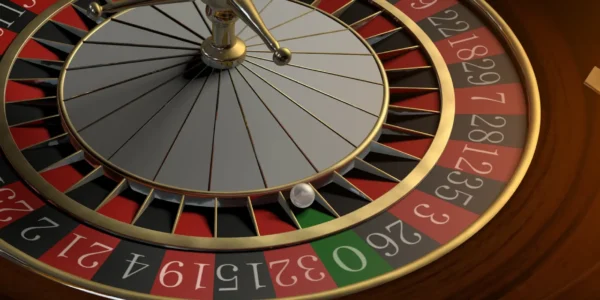
Table Terms: Chips, Limits, and Layout Language
Most of the roulette terms when it comes to the table just describe where chips go, how much is being placed, what the table allows, or how the round is settled.
Table Layout – The betting area of the roulette table. It includes the numbered inside section and the outside areas for broader bets. This applies to online and live roulette too, although digital chips are used instead.
Inside Area – The main number grid. Straight up, split, street, corner, and line bets all happen here.
Outside Area – The area for broader bet options, including red or black, odd or even, high or low, dozens, and columns.
Wager – Another word for a bet. In roulette, a wager means placing money or chips on a chosen outcome before the spin begins.
Stake – The amount placed on a bet.
Payout – The amount returned if the bet wins.
Odds – The likelihood of an outcome and the payout linked to it.
House Edge – The mathematical advantage the casino has over the long run. In roulette, this comes mainly from the zero or zeroes on the wheel.
Bankroll – The money set aside for play.
Table Limit – The minimum and maximum stake allowed on a table or bet type. In online roulette and live roulette, different tables may have different limits.
Wheel Chips – In land-based casinos, wheel chips can be colour-coded by player to avoid confusion. Online roulette does this digitally through chip values and table controls.
Check Rack – The tray or area where roulette chips are kept.
Action – The total amount wagered over a period of play.
Session – A period of play at a roulette table or online roulette game.
Dealer Calls: What the Croupier Says
Dealer calls are a big part of live roulette. They mark the start of betting, the close of betting, and the moment where the table moves from placing chips to waiting for the ball to settle.
Croupier – The formal word for the roulette dealer. The croupier runs the table, spins the wheel, releases the ball, announces the result, places the marker, and keeps the round moving.
Dealer – A more general word for the person running the land-based or live roulette table. In roulette, dealer and croupier usually mean the same thing, although croupier is the more traditional term.
Place Your Bets – The dealer calls “place your bets” to tell players that betting is open.
Last Bets – A warning that the betting window is about to close/end.
No More Bets – The dealer call that means no more bets can be placed as the wheel is about to spin.
Les Jeux Sont Faits – One of the more traditional French roulette terms that loosely means the players have made their bets.

Online Roulette Terms Found on PokerStars
Live Roulette – Online roulette streamed from a real studio table. A dealer runs the round, spins a physical wheel, and releases the ball. On PokerStars Live Roulette, the player is still watching a real round unfold, just through a screen.
RNG Roulette – A software-based version of online roulette. The spin may still appear on screen, but the result comes from a random number generator rather than a live wheel.
Random Number Generator (RNG) – The software system used to create random outcomes in online casino games. In RNG roulette, it creates the result of each spin.
Rebet – An online roulette control that repeats the previous bet.
Clear – An online roulette control that removes current bets from the layout before the spin begins.
Autoplay – A feature that can show up in some online casino games. It can automatically repeat spins or actions based on the settings selected in the game.
Rules and Special Conditions
Some rules only show up on certain roulette tables. En prison, surrender, and la partage are good examples, as they are not built into every version of the game. French Roulette on PokerStars can include la partage and en prison, so they are useful terms to know.
La Partage – A French roulette rule that can apply to even-money bets when the ball lands on zero. With this rule, half the stake is returned and half is lost.
En Prison – A single-zero roulette rule that can apply to even-money bets when zero lands. Instead of being settled straight away, the bet is held for the next spin.
Surrender Rule – A related rule sometimes used in American roulette. If zero or double zero lands, only half of an even-money bet is lost.
Why Are There So Many Roulette Terms?
Roulette has picked up a lot of words over the years because the game has moved through different casinos, formats and traditions. Some roulette terms come from the wheel, some from the table, and others from its French roots. That’s why a game that looks simple can sound surprisingly detailed. A chip placement has its own name, a wheel section has its own phrase and even the dealer calls carry part of the game’s older casino history.

Betting Systems and Myths
Roulette has collected a long list of systems, myths, and table theories over its many years. These terms show up often within casino game culture, especially within strategy guides and reviews like the ones found on PokerStars.
Betting System – A fixed strategy for changing stake size or bet placement. Examples include Martingale, Fibonacci, D’Alembert, Labouchere, and Paroli. These systems don’t remove the house edge or guarantee results, but stops random betting patterns.
Martingale – A betting strategy where the stake is increased after a loss, often by doubling. This can make losses rise quickly, so it shouldn’t be treated as a safe approach.
Fibonacci – A betting strategy based on the Fibonacci number system. Bets move up or down the sequence depending on the previous results.
Paroli – Sometimes called reverse Martingale. This is a progression system where stakes increase after wins.
Positive Progression – A betting strategy where stakes increase after a winning result.
Chasing Losses – Increasing bets to try to recover previous losses. This can be risky because roulette never guarantees a future win.
Hot Numbers – Numbers that have appeared more often in recent results.
Cold Numbers – Numbers that haven’t appeared recently.
Gambler’s Fallacy – The mistaken belief that past random outcomes make a future outcome guaranteed. In both land-based and online roulette, this usually comes with the idea that a colour, number, or section must be due.
Biased Wheel – A physical roulette wheel with an imperfection or fault that will affect the results over time. Modern regulated casinos like PokerStars and live studios use regular checks and monitoring to stop this.
Wheel Clocking – This is when players try to track wheel speed, ball movement, or past results to try to understand patterns.
Final Thoughts: Roulette Terms Make the Game Easier to Follow
Roulette has kept a lot of its traditional essence, even as the game has moved online. That’s why the language around it is such a mix. Some terms refer to the wheel, some to the table, some to the dealer, and some to the French casino traditions that have never gone away.
On PokerStars, those terms also help show the difference between different roulette formats. Live roulette uses words tied to a real table, such as dealer, wheel, ball track, marker, and no more bets, because the player is watching a physical round unfold from a professional studio. RNG roulette uses a lot of the same phrases, but the result comes from software instead of a live wheel. That’s where the terminology becomes useful. It doesn’t change how roulette works, but it can make each version of the game more easier to follow.
FAQs
What is the difference between inside and outside bets?
What does croupier mean in roulette?
What does no more bets mean?
What is RNG roulette?
Does knowing roulette terms make the game easier to win?

Top Content


Trending