Crash Games vs Classic Online Slots: Comparing Casino Games
Online casino gaming has evolved rapidly over the past decade, introducing players to formats that go far beyond traditional spinning reels. Alongside familiar online slots, a newer category has emerged and gained significant traction, particularly among younger and more experienced players: crash games.
At first glance, crash games and classic slots may seem to serve similar purposes. Both are games of chance, both are fast-paced, and both allow players to stake money with the aim of securing a return. However, the way they function, the psychology behind them, and the type of player they appeal to are markedly different.

Classic slots are built around established mechanics that date back more than a century. They rely on reels, symbols, paylines, and bonus features, offering a structured experience where outcomes are revealed instantly after each spin. Crash games, by contrast, are designed around timing and decision-making. Players watch a multiplier rise in real time and must choose when to cash out before the game “crashes”, creating a very different sense of tension and involvement.
This contrast has sparked growing debate within the online casino space. Some players appreciate the familiarity, visual appeal, and feature-rich design of slots, while others are drawn to the immediacy and perceived control offered by crash games. From game design and player psychology to volatility and session length, the differences between these formats go far deeper than appearance alone.
What Are Crash Games?
Crash games are a relatively new addition to the online casino landscape, but they have quickly become one of the most talked-about formats in modern gambling. Unlike traditional casino games that rely on reels, cards, or fixed outcomes, crash games are built around a continuously increasing multiplier that rises in real time before suddenly stopping, or “crashing”, at an unpredictable point.
A Brief History of Crash Games
Crash games emerged originally from the crypto space. Early versions were minimalist, focusing purely on the rising multiplier mechanic. As popularity grew, mainstream casinos adopted the format, adding improved visuals, betting tools, and responsible gaming controls. Today, crash games come in many different designs and formats.
At the start of each round, players place their stake. Once the game begins, a multiplier starts climbing from a base value, usually 1.00x, and continues to increase until the crash occurs. The key decision for the player is when to cash out. Cash out before the crash, and your winnings are your stake multiplied by the value shown at that moment. Fail to cash out in time, and the stake is lost entirely.
This simple mechanic is what makes crash games stand out. Rather than waiting passively for an outcome, players are actively involved throughout each round. Every second introduces a new choice, whether to potentially secure a smaller win or push for a higher multiplier.
How Crash Games Work Behind the Scenes
Despite their visual simplicity, crash games rely on provably fair algorithms and random number generation to determine the crash point before each round even begins. The multiplier may appear to rise dynamically, but the outcome is already fixed at the moment the round starts. This ensures fairness while maintaining the illusion of a live, unfolding event.
Many crash games allow players to set automatic cash-out points, which can help remove emotion from decision-making. For example, a player might choose to cash out automatically at 2.00x every round, aiming for steady, smaller wins rather than chasing large multipliers.

Why Crash Games Have Become So Popular
Crash games appeal strongly to players who enjoy fast gameplay and a sense of agency. Rounds are typically short, often lasting just a few seconds, which makes them ideal for mobile play and quick sessions.
For many players, crash games feel less like traditional gambling and more like an interactive challenge, even though the underlying mechanics remain rooted in chance.
What Are Classic Slot Games?
Classic slot games are the foundation on which the modern online casino industry was built. Their appeal lies in familiarity, simplicity, and a clearly defined structure that requires minimal decision-making from the player.
Though many now have bonus features, the objective is straightforward and familiar: spin the reels and match symbols across active paylines to potentially win according to the game’s paytable.
How Classic Slots Work
Unlike crash games, where player timing directly affects the outcome, classic slots are entirely outcome-driven. Each spin is independent and determined the moment the spin button is pressed. The result is generated by a random number generator, which selects a combination of symbols based on predefined probabilities.
Once the reels stop, the game checks for winning combinations along active paylines. If a match is found, the payout is awarded automatically. There is no opportunity to intervene, cash out early, or influence the result mid-spin. This passive format is a key difference between classic slots and newer casino game types.

Symbol Design and Payout Structure
Classic slots usually rely on a small symbol set, with clear hierarchies in value. Lower-paying symbols tend to be fruit icons or card values, while higher-paying symbols include bells, bars, or themed icons tied to jackpots. This makes it easy for players to understand potential payouts without needing to study complex rules.
Jackpots in classic slots are often fixed rather than progressive, offering a set maximum win. While this limits headline-grabbing payouts, it also makes the risk profile more predictable, which can be considered by cautious or budget-conscious players.
Why Classic Slots Still Have an Audience
Despite the rise of feature-heavy video slots and newer formats like crash games, classic slots continue to attract a loyal audience. Many players enjoy the nostalgic feel and slower pace, especially those who prefer a more relaxed gaming experience without constant decision pressure.
Classic slots are also popular with beginners. The lack of complicated bonus mechanics, multipliers, or side features means players can focus purely on understanding paylines, stakes, and payouts. This simplicity often makes classic slots a gateway into the wider world of online casino games.

Gameplay Experience: Crash Games vs Classic Slots
One of the biggest differences between crash games and classic slots lies in how they feel to play. While both rely on chance at their core, the player experience is shaped by pacing, interaction, and emotional involvement, and this is where the contrast becomes clear.
Pace and Flow of Play
Classic slots operate at a steady, predictable rhythm. You place your stake, spin the reels, wait for the outcome, and repeat. Even faster classic slots still follow this structured loop, giving players time between spins to assess their balance and decide whether to continue. This makes them well-suited to longer, more relaxed sessions.
Crash games, by comparison, are fast and intense. Rounds begin quickly and often last only a few seconds. The rising multiplier creates a sense of urgency with players required to make decisions in real time. There is little downtime between rounds, which can make crash games feel more energetic but also more demanding.
Emotional Engagement
Classic slots tend to deliver emotional highs through visual and audio cues. Potential winning spins are accompanied by animations, sounds, and sometimes celebratory effects, while losses are typically quiet and unobtrusive.

Crash games create a more volatile emotional experience. Watching the multiplier climb can build tension very quickly, especially as it passes familiar milestones like 2x or 5x.
Session Style and Player Mindset
Because of their simplicity, online slots often suit players who want to unwind or play casually without constant focus. They are easy to dip in and out of, making them popular during shorter breaks or as background entertainment.
Crash games demand attention. Even brief sessions require concentration, as missing the right moment to cash out can instantly end a round. This makes them better suited to players who enjoy active participation and are comfortable making quick decisions under pressure.
Risk, Volatility, and Payout Structure
Another major point of contrast between crash games and classic slots lies in how risk is presented and how payouts are structured. While both are games of chance, they open players to risk in very different ways, which has a direct impact on strategy, session length, and overall appeal.
How Volatility Works in Classic Slots
In classic slots, volatility is built into the game design and is usually fixed. Low-volatility slots deliver frequent but smaller wins, helping balances fluctuate gently over time. High-volatility slots, on the other hand, may go many spins without paying out, but offer the potential for large wins when bonus features or high-value combinations land.
Importantly, this volatility is hidden behind the reels. Players experience it indirectly through win frequency and bonus triggers, but they are not actively managing it from spin to spin. The risk profile is defined by the slot itself rather than the decisions the player makes during play.

Volatility in Crash Games
Crash games put volatility front and centre. Every round has the potential to end almost immediately or climb to higher multipliers. While the underlying maths still controls outcomes, the perception of volatility is heightened because players choose when to exit.
Cashing out early reduces risk but limits reward. Staying in longer increases potential payouts but also raises the chance of losing the entire stake. This creates a dynamic volatility curve that players actively navigate, rather than passively experience.
Payout Transparency
Slots display their payout structure through paytables, RTP percentages, and maximum win values. While outcomes are random, players can clearly see how wins are calculated and what combinations are required for higher payouts. Over time, this creates a sense of predictability, even if individual spins are unpredictable.
Crash games are more transparent in a different way. The multiplier is visible as it rises, and players know exactly how much they will win if they cash out at a given moment. There are no hidden paylines or symbol values. This clarity can be of importance to players who prefer simple maths and immediate feedback.
Win Distribution and Expectations
Slot wins are often unevenly distributed. A large portion of a slot’s RTP may be locked behind bonus rounds or rare symbol combinations.
Crash games tend to distribute wins more frequently, especially for players who cash out at lower multipliers. However, these wins are usually smaller. Chasing higher multipliers introduces sharp swings, which can quickly undo earlier gains. The balance between frequent small wins and occasional large losses becomes a defining feature of crash gameplay.
Responsible Play Considerations for Fast-Paced Games
Because crash games move quickly and encourage repeated decisions, session limits and bankroll controls are particularly important. Many platforms now include tools such as auto cash-out limits, loss caps, and reality checks. These features help players maintain control in environments where rounds resolve in seconds rather than minutes.
Perceived vs Actual Risk
One interesting difference is how risk feels. Classic slots can appear less risky because decisions are minimal and losses happen gradually. Crash games often feel riskier because the loss happens instantly and is tied to a visible “crash” moment, even though the underlying house edge may be similar.
This perception plays a big role in player preference. Some players enjoy the entertainment and clarity of crash games, while others prefer the slower, less confrontational profile of classic slots.
Game Design, Themes, and Visual Experience
While maths and mechanics underpin both crash games and classic slots, visual design and presentation play a huge role in how players connect with each format. This is one of the clearest areas where the two styles diverge, both creatively and emotionally.
Visual Identity of Classic Slots
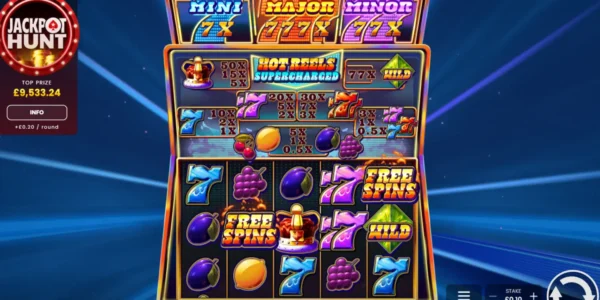
Classic slots are built around a theme-first design. Whether the inspiration comes from mythology, adventure, pop culture, history, or seasonal events, the visuals are often the main draw. Developers invest heavily in artwork, animations, sound design, and narrative elements to create a fully immersive experience.
Reels, symbols, backgrounds, and bonus rounds are all tied into a central theme. Over time, this has evolved into cinematic-style slots with animated characters, story-driven features, and layered bonus mechanics. Even traditional “fruit slots” still lean on nostalgia and recognisable iconography to create familiarity and comfort.
This design approach suits players who enjoy escapism. A slot session can feel less like a betting exercise and more like engaging with an interactive game world, where wins arrive as part of the experience rather than the sole focus.
Minimalism in Crash Games
Crash games take the opposite approach. Their design is intentionally minimal, often featuring a simple graph, multiplier counter, or animated object such as a rocket, plane, or line chart. There is little visual clutter and very limited theming beyond basic colour schemes or motion effects.
This stripped-back style keeps attention firmly on the multiplier and the timing of the cash-out. The absence of symbols, reels, or bonus rounds reduces distractions and reinforces the idea that the game is about decision-making in the moment, not long-term progression or narrative.
For many players, this simplicity is a strength. It removes the need to learn complex mechanics and makes each round immediately understandable, even for first-time users.

Animation and Feedback Loops
Slots rely on frequent visual and audio feedback. Spinning reels, flashing wins, celebratory sounds, and animated features all work together to maintain engagement. Even small wins are often presented with enhanced effects to keep sessions feeling active.
Crash games use feedback more sparingly. The rising multiplier creates tension through motion rather than spectacle, and the “crash” moment delivers a sharp, decisive end to each round. This creates a different emotional rhythm, built around anticipation and release rather than constant stimulation.
Interface and Accessibility
From a user interface perspective, crash games are generally faster to learn. A new player can understand the objective within seconds, place a bet, and participate without needing to consult paytables or rules pages.
Slots, particularly modern video slots, often require more upfront understanding. Players may need to learn how paylines work, how bonus features trigger, and how symbols interact. While this depth is appealing to experienced players, it can be a barrier for those looking for instant gameplay.
Social and Community Elements
One of the biggest differences between crash games and classic slots lies in how social the experience feels.
Crash games are often designed to feel shared. Many versions include a live feed showing other players’ bets, cash-outs, and wins in real time. You can see when dozens of players cash out early or when someone holds their nerve and exits at a high multiplier. This creates a sense of collective tension, even though everyone is ultimately playing independently. Some platforms also include chat features, emojis, or simple reactions, adding to the feeling that you are part of a live event rather than a solitary spin.

Classic slot games, by contrast, are largely solitary experiences. While leaderboards, tournaments, and shared jackpot pools add a community layer, the core gameplay remains private. Your spins are your own, and outcomes are not influenced by or visible to other players in real time. For many players, this is a positive. Slots offer an escape that does not require interaction, decision-making under pressure, or awareness of other players’ behaviour.
Which Game Type Suits Which Player?
Crash games and classic slots appeal to very different player mindsets, even though both fall under the broader casino umbrella.
Crash games tend to suit players who enjoy:
- Fast decision-making and real-time risk
- A sense of control over when they exit a round
- Short, intense sessions
- Watching and reacting to other players’ behaviour
These games often appeal to players who enjoy trading-style mechanics, esports-style pacing, or games where timing feels as important as luck.
Classic slots are usually better suited to players who prefer:
- A more relaxed, passive experience
- Visually rich themes and storytelling
- Feature-driven gameplay, such as free spins and bonus rounds
- Longer sessions with lower mental effort
Related Casino Games Articles


FAQs
Do crash games have RTP like slot games?
Can strategy improve results in crash games?
Are classic slots becoming less popular because of crash games?
Which game type is better for beginners?
Conclusion
Crash games and classic slots represent two very different approaches to online casino entertainment. Crash games are fast, social, and decision-driven, appealing to players who enjoy tension and control in real time. Classic slots focus on immersion, features, and familiarity, offering a more relaxed and visually engaging experience.
As online casinos continue to diversify their game libraries, it is likely that both crash games and classic slots will continue to evolve side by side, each refining what they do best.

Top Content


Trending