The Evolution of iGaming Apps
1994 was a significant year for South Africa. It finally became a democracy after Apartheid, and a man named Martin Moshal created the first company that provided games to online casinos, called Microgaming. The company is now considered a titan and pioneer in the game development industry, specifically for online casinos and igaming apps. In fact, they created the first casino on the World Wide Web, and the rest is history.
From its humble beginnings, the industry has grown exponentially into a dynamic and multi-billion dollar market, spanning the globe and showing no signs of slowing down. There are new sites popping up every day, although most players tend to go with what they know, such as PokerStars. With it, the technology needed to power it has also evolved. Let’s dig deeper.
The Era of Online iGaming Apps Begin
Although there’s debate about who the first company was to develop an online casino game, one thing is for certain: nothing could have occurred without the Free Trade and Processing Act. This gave online betting sites the ability to apply for licenses, which meant that games could be wagered and played for real money. The bill was also passed in 1994 in the countries of Barbuda and Antigua.
It was a huge year for online gambling because later on, Microgaming launched the first gambling website called The Gaming Club. A mere two years later, InterCasino followed with a betting site of their own in 1996.
And the Bet Goes On
1998 saw the online gambling industry explode into the public’s consciousness, and gaming developers were creating new online games in a frenzy, trying to keep up with the demand while staying ahead of their competitors. Once again. MicroGaming showed everyone why they are the foremost online gaming company and developed a new first- a progressive jackpot slot that could be played online. Cash Splash changed the trajectory of the online gambling industry for good, whether it intended to or not.
Similar to land-based progressive slots, a portion of every bet made would go towards the jackpot, thus it would grow until someone won. In digital slot games, the jackpot was triggered when a combination of icons showed up on the reels, but, depending on the game, specific criteria had to be met. This could be anything from wagering a certain amount or only being eligible for the jackpot during bonus rounds.
While Microgaming was and still is a leader in the online game development market, other companies saw a need to produce online games and gave it their best shot. However, the establishment of new betting sites was slow to happen, mostly due to the nature of the virtual space in the 90s.
Sports and More
That didn’t stop companies from trying, though, as they recognised how popular internet betting sites were and the potential they had. Intertops was a sports betting company that handled all wagers over the telephone and has been doing so since 1983. They were one of the first to jump on the bandwagon of this relatively new concept called the internet, adapted to become the first online sportsbook in 1994.
Online casinos may have initially only offered slot games that players could wager real money on, but that wasn’t to remain the case for much longer. Another game increased the online casino’s visibility quickly, due to its land-based popularity. That game was poker.
Cards Had a Hold On ‘Em

We have established that online slots were a big hit in the 90s and sites were being developed, albeit at a slower pace than anticipated. But then, a new kid on the block appeared and changed the trajectory of the online gambling industry yet again—a small online poker page called Planet Poker.
For the whole of 1998, Planet Poker was the only poker site available online, but that was to be short-lived. Their competitors saw an opening and capitalized on their success, launching sites like PokerStars (which would soon become one of the more popular online casino and sportsbook sites).
As we entered the new millennium, online casinos and sportsbooks were a rocket, launching every so often and being greeted with warm welcomes from the masses. This was partly because the internet had become a must-have in most households, opening up the online gambling world to many adults who looked at it as a source of entertainment.
However, the online gambling space was under threat in the mid-2000s due to the passing of a particular government bill. The Unlawful Internet Gambling Enforcement Act of 2006 saw it become illegal to gamble at any online platform if it wasn’t allowed in your state of residence. This dramatically reduced the number of people who could play online and is still being debated in the US today.
Online Gambling Today
From the mid-2000s and now, the boom of online casinos has been phenomenal in its growth. Hundreds of new virtual casino sites exist today, with thousands of aesthetically stunning games available. It’s no longer slots and poker, but online table games, bingo, game shows, and even live casino dealer games with real dealers. Technology has improved at a pace that is difficult to keep up with, and with it, newer and better games are always being developed by many companies other than Microgaming.
Classic casino games now have different versions available digitally, while new games are created with all the technology at the game developer’s disposal, all while keeping the modern player in mind. Features like bonus games, wilds, scatters, free spins, and other elements are only possible because of how far technology has come and how quickly developers are finding ways to adapt their games accordingly.
Big software developers and online sites are constantly trying to make their offerings bigger and better, and you can expect that to be the case for as long as the internet exists. One of the ways they have done this is by introducing the concept of playing on the go.
From Digital to Mobile Gambling Apps

3G technology was introduced at the beginning of the new millennium, and it shifted the way people lived their day-to-day, as well as the ways they enjoyed their entertainment. The tech was ready for mobile gaming to emerge, and the online gambling industry was ready to realise its fullest potential.
The UK was the forerunner in this quest in 2003, when players with 3G could connect to The Betting Site. It was an online betting platform that covered five different sportsbooks, allowing sports fans to place wagers on their favourite sports from their phones.
The iPhone’s release in 2007, along with the App Store, changed the mobile gaming scene for good. Mobile casino apps were the only way forward for people with busy lives but still wanting to engage in casino games. Texas Hold’em was the most downloaded app from the App Store within its first year of release, which will give you an indication of how popular casino apps were becoming.
Mobile casino apps seemed to thrive in their new environment, with slots, poker, and other casino games being played anywhere and everywhere. Public wifi soon became a staple in first world countries, which made mobile gaming even more appealing. There was no need to spend additional money on data; you could be standing in line for a cup of coffee while spinning the reels on any slot game.
Gambling Apps at the Touch of a Button
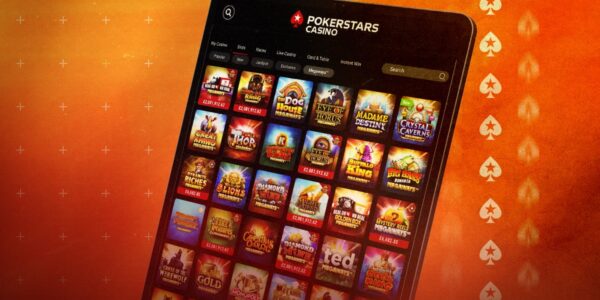
As technology is wont to do, it has evolved with every passing year, mobile technology included. The past five years have seen operators adapt their platforms to make them mobile-optimized, with some going so far as creating mobile-dedicated apps for Androids and iOS.
Players are even able to engage with live dealers via the app, streaming games like roulette or blackjack wherever there is a secure connection. Sporting events can be wagered on in real time, ensuring bettors never miss a beat or a goal in a big game.
Secure and encrypted software used by the casino and installed on your mobile device means that deposits and withdrawals are a breeze. Operators have also extended the different payment options available on both mobile and desktop versions of their sites. You can safely transact via your bank, using e-wallets or even cryptocurrency in some instances.
Technology Never Sleeps
The unfolding of new technology that will impact the online gambling industry is happening right before our very eyes. Augmented and Virtual Reality (AR and VR) is being integrated on both mobile and digital platforms, with some casinos already offering it.
AI has played its part too, customising player profiles and tailoring their experiences according to their choices. This plays a huge part in player engagement and retention for the online casinos.
We can expect to see even more developments when it comes to mobiles and, thus, more developments in mobile gambling apps. Though it may be inconceivable currently, we suggest you don’t bet on it not growing.

Top Content



Trending