21+3 Blackjack RTP & House Edge – What You Need to Know
Blackjack has long been the main attraction on the casino floor, and also at an online casino. The table game combines easy rules with a strategic edge that makes it one of the most popular games for both beginners and pros. Over the years, the table game has evolved to include a range of different side bets. These are extra wagers you can place alongside your main hand.
One of the most popular side bets is 21+3, which offers a creative twist that merges the entertainment of online blackjack with the allure of three-card poker. It’s not a secret that the Return to Player (RTP) or house edge on side bets is usually undesirable. This guide will cover this and more across this side bet. We will also explore how it compares to traditional blackjack.
This guide takes an in-depth look at everything you need to know about 21+3, from the basics of how the side bet works to the maths behind it.
What Is the 21+3 Side Bet?
Before diving into numbers, let’s understand what the 21+3 casino game actually is. The concept is simple:
- In a regular game of blackjack, you receive two cards and the dealer gets two cards, one of which is showing face up.
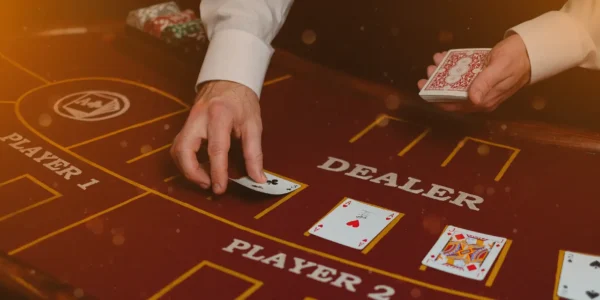
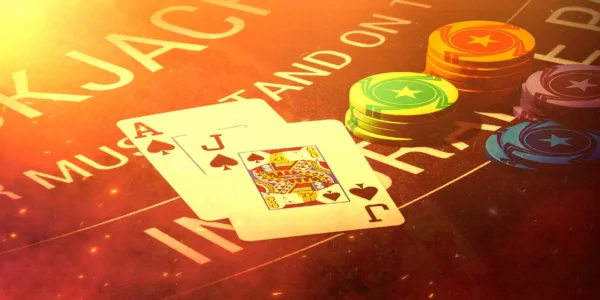
- The 21+3 side bet is based on your two cards plus the dealer’s face-up card. These three cards combine to create a mini poker hand.
If those three cards form a recognised poker hand, such as a flush or straight, you win the side bet. Of course, you have to place the bet before any of the cards are even showing.
21+3 Winning Hands
The game’s winning hands and their typical payouts may vary depending on the online casino or gaming provider, but winning hands usually include:
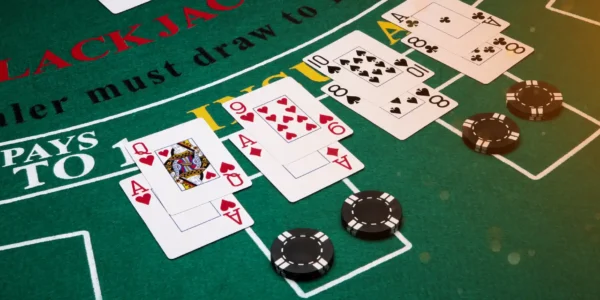
- Flush: All three cards are of the same suit.
- Straight: Three cards in consecutive order, such as 6-7-8 (the suits don’t matter).
- Three of a Kind: Three cards of the same rank, such as three sevens.
- Straight Flush: Three cards in sequence and all of the same suit.
- Suited Three of a Kind: Three identical cards in both rank and suit, such as three Ace of Spades (if using multiple decks).
These card combinations offer payouts that range from 5:1 for a flush up to 100:1 for a suited three of a kind, depending on the game rules.
Understanding RTP and House Edge
The Return to Player (RTP) is a percentage that shows how much of the total money wagered on a game is theoretically paid back to players over the long term. For example, an RTP of 96% means that, on average, the game returns £96 for every £100 wagered, though individual sessions can vary widely.
This percentage is worked out across thousands of betting rounds and is considered an average. Of course, you can’t expect to win £96 every time you wager £100, but over the long term, it will level out. It’s worth noting that every casino game comes with an RTP.
The house edge is the mathematical advantage the casino has over the player. It’s the flip side of RTP. If a side bet has an RTP of 96%, the house edge is 4%.
The exact RTP for 21+3 depends on the game’s pay table. Here are some common payouts:
Hand Payout
- Flush 5:1
- Straight 10:1
- Three of a Kind 30:1
- Straight Flush 40:1
- Suited Three of a Kind 100:1
With this pay table, the RTP usually sits around 96% to 96.3%, meaning a house edge of roughly 3.7% to 4%. This is higher than the house edge of classic blackjack (which can be as low as 0.5% when playing perfect basic strategy), but for a side bet, where bigger, poker-style payouts are on offer, it’s considered quite competitive. As mentioned, most table-side bets have a house edge of around 12%.
Related Blackjack Articles


Why RTP Varies
Casinos and game providers can tweak payouts, especially for online variants. For example, some games may pay only 4:1 for a flush or reduce the suited three of a kind payout. Any shift, big or small, can noticeably change the RTP. You should always pay attention to the pay table before you play.
Comparing 21+3 to Classic Blackjack
The most important point to remember is that 21+3 is a side bet, and its odds are completely different from the main blackjack game, where the aim is to beat the dealer to the value of 21.
The 21+3 side bet typically has a house edge of about 3 to 4%, which is around the same for most online slot games.
How Blackjack and Poker Create the 21+3 Odds
The 21+3 bet turns a small part of blackjack into a three-card poker hand. However, because multiple decks are used (usually around 6 or 8), the probability of landing each type of three-card poker hand is higher than in regular casino poker. However, landing a suited three of a kind is very rare.
Casinos set the payouts to ensure that the overall house edge remains in the 3 to 4% range. The beauty of 21+3 is that it adds a quick burst of poker-style entertainment to each blackjack hand. It also gives you a bit more to think about, something that will appeal to the real blackjack pros.
Strategies for Playing 21+3
Because 21+3 is a fixed-odds side bet, there is no proven strategy once the cards are dealt. You either win or lose based on the combination of your cards and the dealer’s visible card. However, there are still strategic ways to approach the casino game.
- Manage Your Bankroll: A must for all trips to the casino
- Understand the Pay Table: Look for blackjack tables with the most generous payouts, especially for the top 21-3 card combinations. A table paying 100:1 for suited three of a kind is more favourable than one paying 90:1.
RTP of Other Blackjack Side Bets
To appreciate 21+3’s competitiveness, it helps to see how its numbers compare to other popular online blackjack side bets:
Side Bet Typical RTP
- Perfect Pairs 95%
- Insurance 92%
- Royal Match 94–95%
- Lucky Ladies 93–94%
- 21+3 96%+
Online vs. Live Dealer 21+3
PokerStars Casino offers live dealer blackjack tables with 21+3. The experience is the most authentic outside of playing in a land-based casino, but with the convenience of online play. In both versions, the RTP calculations remain the same, provided the pay tables match.
Virtual RNG blackjack: The virtual tables offer fast-paced and instant results. You don’t have to wait around for dealers to serve cards, so gameplay is at your pace.
Live dealer blackjack: The live table version adds social interaction and the real casino atmosphere, with the same side bet mechanics. The gameplay is slower, but you feel you are getting a safer experience, as there are no computers randomly generating the results. It’s all done in real time from the casino by the dealer.
Responsible Gambling and Side Bets
Side bets like 21+3 are designed to add an extra dimension, but they also introduce higher volatility. These extra bets should be played with caution. Here are some responsible gambling tips:
- Set a budget for side bets and stick to it.
- View any potential payouts as a bonus, not a guarantee.
- Take breaks and monitor your time and spending.
PokerStars Casino provides responsible gaming tools such as deposit limits and self-exclusion options to help players stay in control. We recommend you check out the full responsible gaming policy before you start real money gaming.
Variance and Volatility
The higher RTP of 21+3 compared to other blackjack side bets does not mean it pays out more frequently. This is because many of the poker hands it relies on are rare. This is what’s known as high variance.
The Evolution of Blackjack Side Bets
The popularity of 21+3 is part of a wider trend in online casino game design. Over the past two decades, game developers have sought to add variety and higher payouts to classic table games. These side bets emerged as a way to bring in elements from other popular games into the blackjack experience. It also allowed the gaming developers to sell these table games as something new and fresh, bringing more eyes to their table content.
From Perfect Pairs to Lucky Ladies, side bets have become standard features at many tables, both in land-based and online casinos. However, out of all the side bets, the 21+3 bet stands out for maintaining a player-friendly RTP while delivering the excitement of two beloved card games.
Variations and Regional Differences
Although the concept of 21+3 is consistent, it is achieved by merging your two cards with the dealer’s face-up card to form a three-card poker hand. There are several regional and casino-specific variations. Having an understanding of these differences can help you identify the best tables with the most attractive odds.
Spanish 21+3
Some casinos combine the 21+3 side bet with Spanish 21, a blackjack variant that removes all 10s from the deck but offers player-friendly bonuses. In these games, the chance of making certain three-card poker hands shift slightly, and casinos can adjust the pay table. The RTP may be like traditional 21+3, but always check the game’s published pay table.
Progressive Jackpots
A few online and land-based casinos add a progressive jackpot twist to the 21+3 side bet. In this version, a portion of every side bet contributes to a growing prize pool. If a player lands a rare hand, such as a specific suited three of a kind, you can trigger the progressive jackpot prize. This jackpot can lower the base RTP because part of their bet contributes to the jackpot prize.

Bonus Payout Tables
Some online casino games introduce bonus payouts or extra poker hands like “mini royal” (Ace-King-Queen suited). These additions can raise or lower the house edge depending on how they are rewarded.
Final Thoughts
The 21+3 side bet adds a new dimension to the classic game of online blackjack, giving players the entertainment of chasing poker-style hands without leaving the blackjack table.
Please remember to always play responsibly.

Top Content


Trending