Behind the Blackjack Table: How Dealers Prepare and Operate
Whether you’re stepping into a glamorous brick-and-mortar casino or logging into an exciting live dealer online casino game, the magic of the blackjack experience is made possible by the skill and professionalism of the dealer.
From intense training to the fast-paced pressure of the table, blackjack dealers are the unsung heroes of this classic card game.
In this guide, we’ll explore how dealers prepare, what skills they need, how they maintain fairness and precision, and the core differences between land-based and online environments.
What Is The Role of A Blackjack Dealer?
At its core, the dealer’s role is to facilitate the game, but in reality, it involves far more than simply dealing cards.
A blackjack dealer must:
- Ensure that all game rules are followed and understood by players.
- Manage wagers and payouts quickly and accurately.
- Maintain the pace and flow of the game.
- Act as the casino’s representative while remaining impartial.
Dealers must also remain calm and focused, even during high-stakes moments or when dealing with difficult customers. The role requires confidence, attentiveness, and a deep knowledge of blackjack’s mechanics and etiquette.
Let’s take a closer look at a blackjack dealer’s responsibilities.
Game Setup
Before a single card is dealt, a blackjack table must be prepared for play.
For each game dealers need to prepare cards, chips, the table and environment. Any mistakes in this preparation could be costly for the casino or the players.
Depending on house rules, dealers may use one to eight card decks, often pre-shuffled or placed into a continuous shuffling machine (CSM).

What is a CSM?
In casino games like blackjack, a CSM is an automatic device that continuously shuffles cards. This means that a dealer doesn’t need to manually shuffle cards each round and it keeps gameplay fast and engaging.
These machines also make card counting less viable because each deck is effectively new, making it much harder to keep tabs on played cards.
The chip tray is arranged by denomination, with chips counted and verified at the start of the shift.
The iconic felt surface of the table must be clean, and security features like embedded sensors or cameras are checked to ensure everything is working.
Side bet availability, house edge rules, and table limits (e.g., “Dealer must hit soft 17”) are displayed prominently for transparency.
Once dealers are happy with the setup, the game can begin.
Card Handling
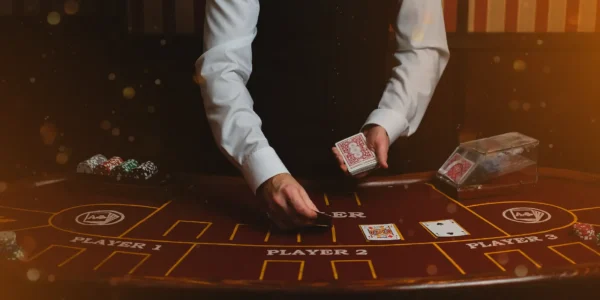
Card handling is perhaps the most obvious of a dealer’s responsibilities, but it’s not just about flicking cards across the felt and showing off tricks and flourishes —it’s a highly disciplined skill that requires control, rhythm, and consistency.
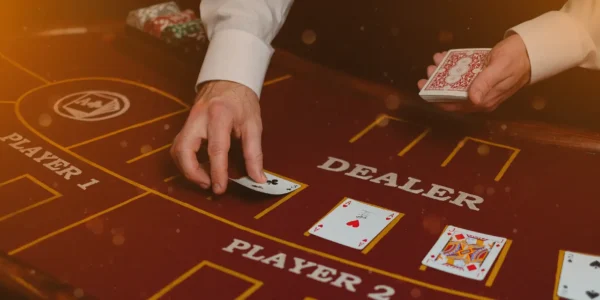
Dealers must be able to deliver cards swiftly and cleanly, whether dealing face up or face down, often using a technique known as “pitching.” Each card must be placed precisely, with no hesitation, to maintain the flow of the game and inspire player confidence.
To protect the integrity of the game, card counting prevention is essential. Dealers employ specific shuffling techniques, make use of cut cards, and follow strict dealing procedures to break up patterns that could be exploited. The goal is to introduce enough randomness into the deck to make it difficult for anyone to gain an unfair advantage.
Mistakes, while rare among trained professionals, can still happen. Cards may occasionally be exposed or misdealt. In these instances, casinos have clear procedures that dealers must follow to correct the issue. This might include calling over the pit boss, discarding affected cards, or reshuffling the deck, all with the aim of maintaining fairness and transparency at the table.
Peeking and Burning
Another key part of a dealer’s card-handling responsibilities is peeking and burning.
When the dealer’s upcard is an Ace or a 10-value card, they discreetly “peek” at the hole card using a special mirror or sensor to check for a natural blackjack. Additionally, a “burn card”—the first card drawn from the shoe—is discarded face down before play begins, a subtle technique designed to further reduce predictability and enhance game security.
All of this underscores the rigorous training dealers undergo in card control. From managing complex hands to correcting errors on the fly, a dealer’s expertise ensures that every game remains fair, professional, and enjoyable.
Chip Management
While players often focus on the cards, it’s the dealer’s smooth and accurate handling of chips that maintains the integrity of each transaction and ensures the game runs efficiently.

Every chip movement must be clear, precise, and performed with confidence—any hesitation or mistake could result in disputes or delays, which can undermine trust at the table.
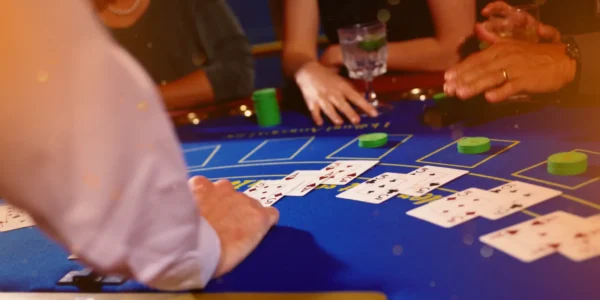
Before the start of each round, the dealer must check that all player bets are properly placed inside the designated betting circles and fall within the table’s minimum and maximum limits. This helps to prevent confusion when it comes time to pay out.
The dealer will also visually sweep the table to confirm that all bets are final before signalling “no more bets” and beginning the deal. Clear chip placement by players is encouraged, but it’s ultimately the dealer’s job to ensure that bets are legal and visible.
When it comes time to pay out winnings, especially on blackjack hands that typically pay 3:2, the dealer must perform quick mental calculations and dispense the correct chip values.
This is particularly important when side bets or insurance are involved, as they often require separate payout odds. Accuracy is non-negotiable here; even a small mistake can result in player dissatisfaction or financial loss for the house.
Another key task for blackjack dealers is performing “colour-ups.” This involves exchanging a player’s smaller denomination casino chips for higher-value ones, usually when a player is leaving the table or has accumulated a large stack of low-value chips.
Not only does this keep the table tidy, but it also helps the casino maintain clearer accounting of chip flow. Dealers are trained to handle these exchanges quickly while always announcing values aloud to maintain transparency.
Pit bosses play an important role in overseeing chip management. If there’s ever a dispute over a payout, a large transaction, or anything out of the ordinary, the dealer will call over the pit boss for review. This keeps the process transparent and protects both the player and the casino from potential mistakes or disagreements.
What Makes A Good Blackjack Dealer?
Being a good blackjack dealer requires a thorough knowledge of the game, excellent technical skills and the ability to interact with players confidently and professionally.
Though training will teach many of these things, there are certain qualities that separate good dealers from great ones.
Professionalism
Professionalism is one of the most important qualities a blackjack dealer can possess. While technical skills like card handling and chip management are essential, it’s the dealer’s ability to create a welcoming, fair, and entertaining atmosphere that often leaves a lasting impression on players.
In many ways, the dealer is the face of the casino—balancing efficiency with approachability, and authority with friendliness.
Professionalism At The Table
From the moment a player approaches the table, the dealer sets the tone. A warm greeting and a willingness to help new players feel comfortable go a long way in creating a positive experience.
Whether it’s a first-time visitor or a seasoned player, everyone appreciates a dealer who is attentive, polite, and professional without being robotic.
Dealers are trained to read the room, engaging with players who enjoy conversation, while respecting the quiet of others who prefer to focus when they play blackjack.
Neutrality
A key part of professionalism is neutrality. Dealers must remain impartial at all times, never showing preference, frustration, or emotion when a player wins or loses.
Even when players ask for advice (which they often do), a good dealer will deflect diplomatically, gently reminding them that it’s not their role to give strategic input. This helps to maintain fairness and avoid any perception of bias.
Conflict Resolution
Conflict resolution is another critical skill for blackjack dealers as tensions can occasionally flare at the table.
Dealers must be able to diffuse heated situations calmly and respectfully, relying on clear communication and, when necessary, support from the pit boss. This ensures that disputes are handled professionally and that the integrity of the game remains intact.
Appearance
As has already been mentioned, blackjack dealers are the face of the casino. They’re at the tables interacting with players, and they’re a big part of the casino experience.
It’s no surprise, then, that appearance is important.
Casinos typically have strict grooming and uniform standards, and dealers are expected to present themselves with a clean, polished look.
This isn’t just about aesthetics—it reflects the prestige of the casino and fosters trust in the environment. A well-dressed, composed dealer sends the message that the game is being managed with care and competence.
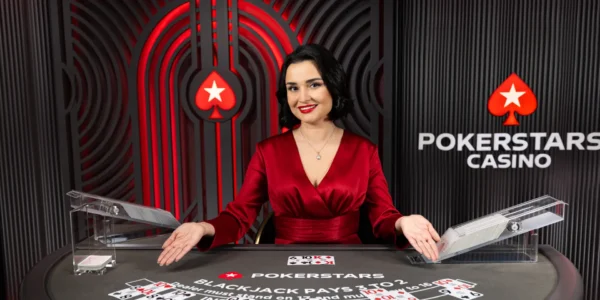
Even dealers handling online live blackjack games need to ensure that their appearance is reflective of the casino they represent.
Ultimately, professionalism ties everything together. It allows dealers to perform under pressure, maintain the trust of players, and represent the casino with pride. It’s what transforms a technically skilled dealer into an outstanding one.
Technology
Technology plays an important role in the operation of modern blackjack tables, whether on a bustling casino floor or through the lens of a live dealer studio.
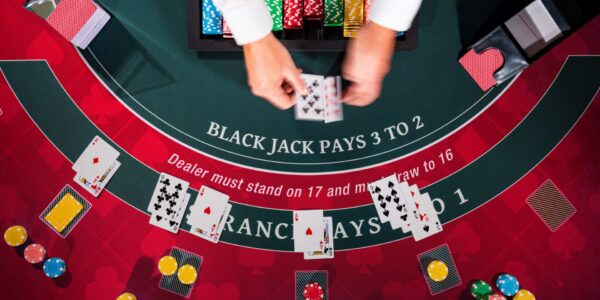
A game that once relied purely on manual skill and sharp observation now benefits from a suite of sophisticated tools designed to enhance security, streamline gameplay, and create a more immersive experience for players.
Modern blackjack dealers need to have a good understanding of this technology and be able to properly use it during games.
RFID Technology
One of the most significant advancements is the integration of RFID (Radio Frequency Identification) technology into cards and chips. These tiny, embedded tags allow the casino to track every bet and card movement in real-time. The system automatically logs wagers, verifies chip denominations, and ensures accurate payouts. This not only reduces human error but also provides valuable data for the casino’s internal monitoring and fraud prevention systems.
For the dealer, it means extra assurance that their handling of the game is recorded and backed up by a digital safety net.
CSMs (Continuous Shuffling Machines)
These are another staple for modern tables.
These devices continuously shuffle used cards and reintegrate them into the deck, making card counting virtually impossible.
For the dealer, it speeds up the pace of the game and eliminates the need to manually reshuffle, allowing them to focus more on interacting with players and managing bets.
Training for blackjack dealers includes learning how to load and troubleshoot these machines, as they are crucial for maintaining both fairness and efficiency.
Online Dealers
Dealers operating online blackjack games have even more technology to understand.
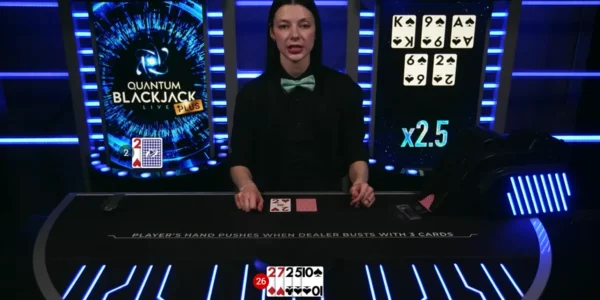
Live dealer blackjack platforms are powered by green screen backdrops, HD streaming cameras, and responsive interface software. These aren’t necessarily the dealer’s responsibility, but it’s an environment that can require some getting used to.
Dealers must not only be comfortable on camera but also skilled in navigating the digital side of their role. They interact with players via chat functions, monitor on-screen bets, and ensure that the digital and physical elements of the game remain perfectly synced. Should a glitch or lag occur, a dealer’s ability to remain calm and alert while following protocol is essential.
Dealers today are increasingly tech-savvy, with training covering not only the tools they use but also basic troubleshooting and escalation procedures. Whether it’s reporting a fault in a shuffler, adjusting lighting in a studio, or assisting a player whose game has momentarily frozen, dealers are often the first line of support when something goes wrong.
Speed and Efficiency
Speed and efficiency are essential traits for any successful blackjack dealer. In a busy casino environment, maintaining a consistent rhythm at the table not only improves the player experience but also ensures that the game remains profitable for the house. Every second counts on the floor, and dealers must be able to deal cards swiftly, communicate clearly, and manage the flow of play without unnecessary delays.
A skilled dealer can distribute cards to a full table of seven players in just a few seconds. When a round ends, they need to collect losing bets quickly and deliver payouts with speed and precision. There’s no room for hesitation, especially during peak hours when the table is full and players are eager to move on to the next hand.
Efficiency also extends to managing side bets, which can add layers of complexity to the game. A seasoned dealer must handle these additional wagers seamlessly, ensuring that everything from bet placement to payouts happens without interrupting the flow of the main game. It’s this combination of speed, accuracy, and calm under pressure that separates a competent dealer from an exceptional one.
How To Deal For Blackjack Quickly
- Master the Card Grip
Use the classic mechanic’s grip for handling cards. This allows you to slide and flick cards quickly without dropping or flashing them. Consistency in grip leads to speed and control. - Deal in a Circular Flow
Always deal left to right in a smooth, clockwise motion. Avoid hesitating between hands and muscle memory will build with practice. - Keep Your Table Organised
A tidy chip tray, neatly stacked used cards, and clearly defined betting zones help avoid confusion and wasted movements. - Use Verbal Cues Strategically
Clear phrases like “Place your bets,” “No more bets,” and “Insurance?” help maintain flow and avoid misunderstandings that slow the game. - Stay Calm Under Pressure
Rushed dealing leads to mistakes. Focused calmness allows you to move quickly without errors. - Practise Payouts
The faster you can do chip calculations and payouts in your head, the smoother the game runs. Many dealers practise common payout combinations in their spare time. - Scan for Side Bets Efficiently
Develop a routine for checking and resolving side bets to prevent hold-ups, especially during busy tables or multiple concurrent hands.
How Are Blackjack Dealers Trained?
Blackjack may appear straightforward to players, but behind every smooth hand dealt and every calm, confident dealer is a structured and intensive training process. Whether they work on a bustling casino floor or in a sleek live-dealer studio, professional blackjack dealers go through rigorous preparation to ensure they master the mechanics of the game, maintain integrity, and deliver a polished customer experience.
Dealer School: The Starting Point
Most blackjack dealers begin their journey at a licensed dealer school or training academy.
These institutions offer comprehensive courses in table games, with blackjack often serving as the foundational game before others like roulette, baccarat, or poker are added. Courses typically last between 4 to 12 weeks, depending on the intensity and depth of the curriculum.
Dealer schools focus on more than just how to deal cards. Students are introduced to:
- Basic and advanced blackjack rules
- Table etiquette and communication skills
- Chip handling and payout procedures
- Card shuffling techniques (manual and machine-assisted)
- Dealing mechanics, including pitch and shoe dealing
- Mathematics and mental arithmetic
- Security procedures and game protection
Throughout the course, students practice on full-sized tables, simulate real casino environments, and are evaluated on speed, accuracy, and composure under pressure.
Hands-On Practice and Muscle Memory
A great deal of training focuses on muscle memory and dexterity. Dealing cards, stacking chips, and managing bets requires a level of physical precision that only comes through repetition. Trainees practise hundreds of hands to perfect:
- Holding and fanning cards correctly
- Dealing swiftly without exposing the card face
- Using chip tricks to stack, cut, and pay out efficiently
- Maintaining posture and smooth movements to prevent fatigue
The goal is to make the mechanics of dealing second nature, freeing up mental energy to focus on player interaction, rule enforcement, and spotting irregularities.
Casino-Specific Orientation and Auditions
Once a trainee completes dealer school, many casinos require a formal audition process. This involves sitting at a table with supervisors and performing a full dealing session. Trainees must demonstrate technical proficiency and interpersonal skills.
If successful, new dealers often enter a probationary period, during which they may shadow more experienced staff and take on quieter shifts before advancing to busier tables or more complex games.

Each casino has its own set of procedures and expectations, and so even trained dealers will receive site-specific orientation. This includes learning internal protocols for security, how to operate pit technology systems, and casino-specific variations of blackjack rules (such as side bets, bet limits, or soft 17 house rules).
Compliance and Legal Training
During training, dealers are educated on gambling laws, responsible gaming policies, and anti-money laundering procedures.
They learn about verifying player eligibility (e.g., age verification), identifying suspicious betting patterns and managing responsible gambling disclosures and limits.
In jurisdictions like the UK or the US, dealers may also be required to obtain a gaming licence or complete a background check before they are eligible to work on the casino floor.
Live Dealer Training: Studio-Specific Requirements
Live dealer studios, common in online casinos, train their staff slightly differently. In addition to traditional blackjack skills, live dealers must:
- Speak clearly and engagingly to a virtual audience
- Manage multiple cameras and tech overlays
- Follow scripted intros and promotional cues
- React to player messages in real time via chat features
Training also includes how to work with real-time streaming software and how to maintain eye contact with the camera to simulate a personal connection. Appearance, posture, and vocal energy are critical in this setting, since the entire blackjack online experience is virtual.
Ongoing Assessments and Continued Education
Even once a dealer is fully trained and active, the learning doesn’t stop. Casinos often run refresher courses, audits, and performance evaluations to ensure consistency and compliance. Dealers may also be trained in new side bets, promotional formats, or upgraded systems.
Some casinos promote from within, offering ambitious dealers a pathway to become pit bosses, trainers, or floor supervisors. To do this, dealers need to stay sharp and maintain an excellent performance record over time.
FAQs
Why do blackjack dealers peek?
Do blackjack dealers always hit?
Why do blackjack dealers have a mirror?
Why do blackjack dealers show their hands?

Top Content


Trending