Casino Myths Debunked: Hot and Cold Machines, Lucky Dealers, and Other Superstitions
Casinos have picked up plenty of strange beliefs over the years. A slot machine has gone several spins without a decent result, so it must be getting ready to pay. A new dealer turns up at a blackjack table and everyone suddenly starts losing, so they must be unlucky. Roulette lands on black several times in a row and red now feels like it has to be next.
These casino myths can feel convincing because random games regularly produce streaks, unusual results and coincidences. When the same thing happens several times close together, it is easy to connect the events even when there’s no real link between them. These superstitions also carry over to online casinos such as PokerStars, especially around live dealer games.
Slot Machine Myths
Slot machines have picked up some of the most common casino superstitions, especially around streaks, payouts and when a win might be “due”. Most come from trying to find a pattern in results that are still being decided randomly.
Hot and Cold Slot Machines
One of the oldest slot beliefs is that a machine can become hot or cold. A hot slot is one that has recently had several wins or bonuses. A cold one has gone through a run without much happening. From there, two completely opposite beliefs can form. One player might avoid a cold machine because it has not been paying, while another might choose it because a win feels overdue.
Modern online slots use Random Number Generators to produce outcomes. Each spin gets its own result according to the rules and maths built into that particular game. What happened five spins ago doesn’t tell the RNG what needs to happen next.
A slot can still look hot or cold over a short period. Several wins might show up close together, or a long run can pass without much happening at all. That can make a streak look like a pattern, even though it only shows what has already happened.
A Slot That Hasn’t Paid Must Be Due
Another common belief is that a slot becomes more likely to pay after going a long time without a large win. Some players assume the game must eventually make up for a quiet run. RTP is one of the reasons this gets misunderstood. A slot with a stated RTP isn’t promising to return that percentage during one session. It’s just a theoretical figure calculated across millions of rounds, so a shorter session can finish well above or below it.
The game is not keeping track of one player’s losses and waiting until enough have built up before producing a large win. A few hundred quiet spins don’t make the next one more likely to trigger a feature or jackpot.
Related Casino Articles

Near Misses Mean a Win Is Getting Closer
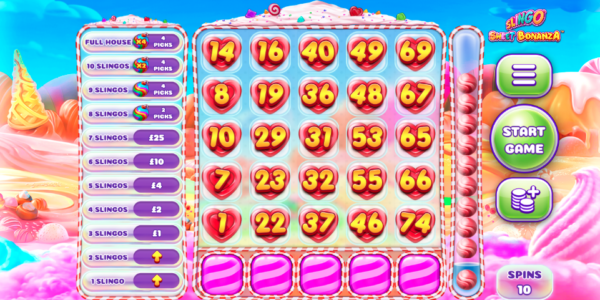
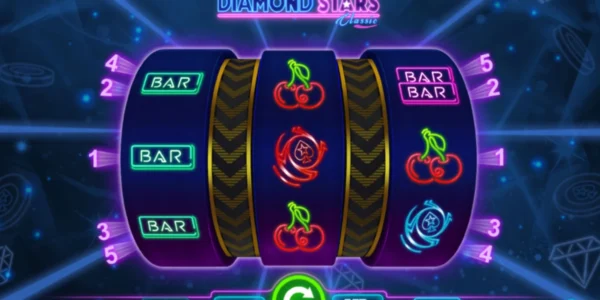
Another common slot myth is that a near miss means a win is getting closer. For example, two jackpot symbols might land together while the third stops just above or below the payline. It can look very close to a win, but the result is still a loss. A near miss doesn’t store any progress towards the next round, and it doesn’t make the same combination more likely to appear afterwards. The next spin starts again with another result.
Casinos Change Slot Payouts When the Floor Gets Busy
Another long-running belief is that casinos lower slot payouts during busy periods and increase them when things are quieter. Online casinos like PokerStars run under strict rules and technical standards. The platform can’t secretly change the maths halfway through a session just because several users have logged on at the same time. Doing that would go against UK Gambling Commission requirements and would put the operator’s licence at risk.
Loyalty Cards Make Slot Machines Pay Less
Casino loyalty cards have produced a few theories of their own. One says inserting a card tells the slot who is playing and allows the casino to lower the payout because it knows the player has returned. Another claims new members get better results to encourage them to come back.
Loyalty systems can record activity for things such as points, account use or promotions, but that doesn’t mean the card is controlling the RNG. The game still follows its own rules, regardless of whether a loyalty account is used.
The Loosest Slots Are Always Near the Entrance
Another old casino story says the machines closest to entrances and busy walkways are deliberately set to pay more often. The idea is that someone walks past, sees a large win or hears the sounds from a machine and decides to stop.
The problem is that a slot’s position doesn’t tell a player how often it pays. Casinos still decide where individual machines go for plenty of practical reasons. Popular games may get more visible positions. Larger cabinets need enough room. And some machines are grouped by provider, theme or jackpot.
Blackjack and Live Dealer Myths
Blackjack has picked up plenty of superstitions around dealers, card order and the choices made by other players at the table. Live dealer games can make these beliefs feel even stronger. This is because the cards are being dealt in real time by an actual person.
Lucky and Unlucky Dealers
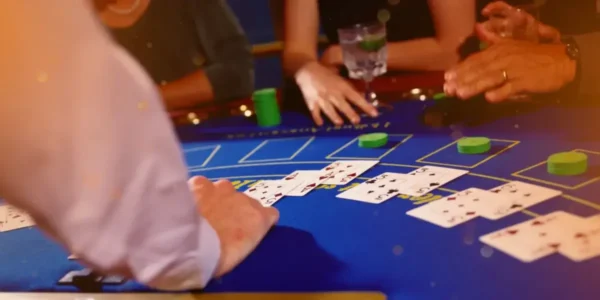
A player may be having a good run at a blackjack table until one dealer finishes their shift and another takes over. A few losing hands follow, and the new dealer can quickly pick up a reputation for being unlucky. The opposite happens too. Some live dealers become favourites because a player remembers having several wins while they were at the table.
At PokerStars Live Blackjack, the cards are dealt from a shoe and the dealer follows the rules of the table, standing on 17 or higher, including soft 17. A dealer cannot take another card because several players have strong hands or suddenly stop at 16 because someone has been losing. Whoever is sitting behind the cards follows the same dealer rules.
Dealers Can Control the Next Card
There’s another version of the dealer myth that goes beyond luck. After a frustrating blackjack hand, it can sometimes look as though the dealer somehow knew what was coming. The dealer might hit 16 and pull exactly the card needed to make 21. If it happens again later, things can start to feel suspicious.
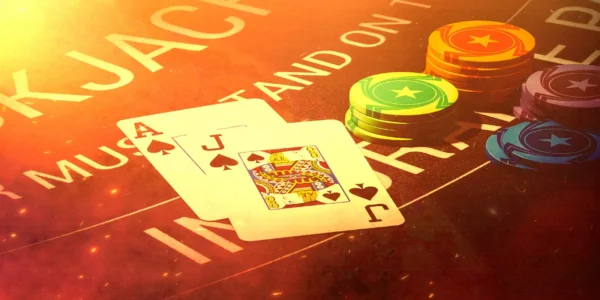
Ten-value cards are common in blackjack because 10, Jack, Queen and King all carry the same value, so dealers drawing them regularly isn’t unusual. More importantly, live dealers don’t get to choose the next card in the shoe. They deal the cards in order and follow the table rules. Being good at running the table doesn’t give them control over which card shows up next.
A Bad Blackjack Player Ruins the Table
Another common blackjack superstition focuses on the player sitting in the last seat before the dealer, also known as third base. If that player makes a strange choice and the dealer then ends up with a strong hand, the rest of the table might blame them for affecting which cards came next. For example, a player might take a card that someone else thinks should have gone to the dealer. If the next card then gives the dealer 21, that decision can look like the reason the table lost.
It can work the other way just as easily. The same unusual choice could take a card that would have helped the dealer and leave behind one that causes them to bust. The truth is, nobody at the table knows the order of the cards before those decisions are made. A player’s choice can affect which card comes next, but it doesn’t mean that choice was the reason the table won or lost.
What Can Live Dealers Actually Control?
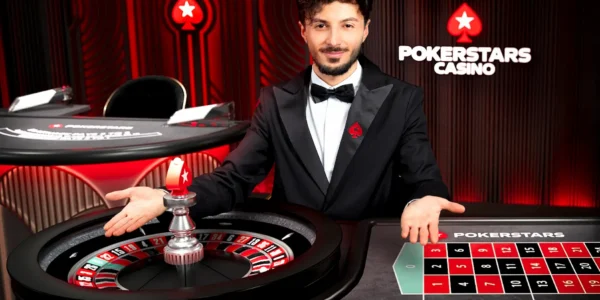
Live dealers run the table instead of choosing the result. They deal cards, spin wheels, manage betting periods and follow the rules of the game. In blackjack, that includes drawing or standing according to the dealer rules. In live roulette, the dealer spins the wheel and releases the ball, with the result decided by where it lands.

Roulette Myths and Superstitions
Roulette has plenty of myths around streaks, previous results and betting systems. Most come from trying to spot a pattern in earlier spins and using that to guess what the wheel might do next.
Roulette Is Due to Change Colour
If there’s one game that makes streaks hard to ignore, it’s roulette. Many tables show recent results, and if black appears six, seven or eight times in a row, red can start to look more tempting because the run feels as though it should end.
On a European roulette wheel, there are 37 pockets: numbers 1 to 36 and a single zero. Eighteen numbers are red and 18 are black, while the green zero means a colour bet doesn’t have 50/50 odds. A run of black results doesn’t add any extra red pockets to the next spin. The wheel still has exactly the same numbers and colours it had before. This belief is a common example of the gambler’s fallacy, where previous random results are treated as though they will change what happens next.
The Roulette History Board Shows a Pattern
The display or online interface beside a roulette table can make patterns look more convincing. There may be several reds together. There may be a run of odd numbers or repeated results from one section of the wheel. That information can make the previous spins easy to follow, but it doesn’t predict the next one. A number that hasn’t appeared for an hour doesn’t have a better chance of landing just because it has been missing for so long. The same applies to a number that has landed twice in a short period.
Roulette Betting Systems Change the Odds
Systems such as Martingale, Fibonacci and Labouchere have been used around roulette for generations. They change the amount being bet depending on earlier results, but they don’t actually change the probability of the next wheel result. For example, doubling an even-money bet after a loss increases the amount at risk on the next spin. It doesn’t make red or black more likely to show up. European roulette has a house edge of around 2.70% on standard bets because of the single zero. American roulette adds 00, increasing the standard house edge to around 5.26%.

Craps and Dice Superstitions
Craps has built up plenty of superstitions around the dice, the shooter and even the words used at the table. Most are long-running traditions, but none of them change the chances of a particular number being rolled.
Blowing on Dice Changes the Roll
Casino superstition existed long before electronic games were even invented. Blowing on dice before a throw is one of the classic examples and regularly appears in films and TV whenever a craps table shows up. Unfortunately, breath doesn’t change the probabilities built into two fair dice. Normal rituals such as blowing on them, saying a particular phrase or using a favourite hand can’t change the number combinations available. They can still be part of the tradition around the table, but that’s about the ritual, not the maths.
Saying Seven Brings Bad Luck
Craps has also picked up plenty of traditions around the number seven. Saying “seven” during a craps game is often treated as bad luck because rolling one at the wrong time can end the shooter’s turn. Despite the belief, the word itself cannot affect the dice. It has just become one of the better-known superstitions around craps, and some players still avoid saying it because of the tradition.
Beginner’s Luck Changes the Dice
Another craps superstition centres on someone throwing the dice for the first time. A new shooter can attract attention because of the belief that beginners are unusually lucky. If they then put together a long run, that belief can quickly feel justified. In reality, their first throw still has the same possible dice combinations as anyone else’s.
General Casino and Casino Floor Myths
Some casino myths have less to do with the games themselves and more to do with the building, atmosphere and habits around the floor. These can range from claims about oxygen and casino design to scents, lucky clothes and favourite seats.
Casinos Pump Oxygen Into the Building
This may be one of the stranger casino myths, but it has been around for decades. One long-running claim is that casinos pump additional oxygen onto the gaming floor to keep visitors awake and playing for longer.
There’s one major reason why this isn’t true: it would be a serious safety risk. An oxygen-enriched environment increases fire hazards, so filling a large building with unusually high oxygen levels would land operators in huge trouble. Casinos do use air conditioning and ventilation like other large hotels and entertainment venues. Some also use distinctive fragrances, which may be one reason the oxygen story has stuck around.
Casinos Have No Clocks or Windows to Trap Players
Another common casino myth is that venues are deliberately built without clocks or windows to make players lose track of time. While there may be some truth behind parts of this belief, it can still be exaggerated.
Some traditional casinos have limited natural light and few obvious clocks around the gaming floor. Older casino design often put a lot of focus on keeping attention inside the room. Modern venues, on the other hand, can look very different. Large windows, open spaces, high ceilings, restaurants, bars and hotel areas are common in newer casino resorts. A small gaming room inside a hotel will also look completely different from a large resort in Las Vegas or Monte Carlo, so there’s no single casino design used everywhere.
Lucky Clothes and Lucky Seats
Some superstitions are much more personal. A player might wear the same shirt after having a good evening in it, carry a particular coin or choose the same seat whenever it’s free. These kinds of lucky charms and rituals can start to feel connected to the result because the memorable win happened while they were there.
The truth is a favourite shirt can never change an RNG. A particular chair at a blackjack table doesn’t rearrange the shoe. And sitting on one side of a roulette wheel cannot change where the ball lands. There’s nothing wrong with keeping a harmless ritual, but it shouldn’t be treated as something that makes a win more likely.
Online Casino Myths
Online casinos like PokerStars have their own set of myths, especially around RNG games and live dealer tables. Some players are more suspicious of digital games because they cannot see what is happening behind the software, while others trust live games more because the cards and wheels are right there on screen.
Online Casino Games Are Easier to Manipulate
Some players are more suspicious of online casino games because they cannot see what is happening behind the screen. If a slot suddenly goes through a bad run after the stake changes, or several poor hands appear close together in a digital card game, it can be easy to think the software has been rigged.
Licensed online casinos cannot just change a game based on how somebody is playing. For example, casino games on PokerStars have to meet technical standards around randomness, and the chances of winning cannot be adjusted during play based on what has already happened. Bad runs can still happen, just as they can in a physical casino. Several losses close together might feel suspicious, but that alone doesn’t mean the game has changed anything for that account.
Live Dealers Must Be Fairer Than Digital Games
Some players feel more comfortable with live dealer games because they can watch the cards being dealt or the roulette wheel spinning in real time. Seeing everything happen on screen can make the game feel easier to trust than one running entirely through software.
PokerStars has live blackjack, baccarat and roulette tables with real dealers shown through a video stream. But that doesn’t make live games more likely to be fair than licensed digital ones. The two formats handle the game differently: one uses physical cards or wheels, while the other relies on RNG software.
Why Casino Myths Are So Easy to Believe
Most casino myths start with something that genuinely happened. A player could have really moved to another slot and immediately triggered a bonus. A dealer changing shifts could have been followed by six losing blackjack hands. Because they happened close together, it can be easy to link them.
Once somebody decides a particular dealer is unlucky, the losses under that dealer become much easier to remember than the winning hands. The same thing happens with a supposedly hot slot, where the bonus sticks in the mind while the losing spins between features are quickly forgotten. That kind of timing can be enough to keep a superstition going.

Final Thoughts: Casino Myths and Random Results
Most casino superstitions come from trying to make sense of randomness. Hot slots, lucky live dealers, overdue roulette colours and unlucky blackjack seats can all make a random result feel as though there is something else behind it.
While these theories can be fun, the rules and probabilities never change because a streak looks strange. RNG games still follow the same random mechanics. Live dealers stick to the rules of their tables. And a roulette wheel doesn’t remember where the ball landed before.
FAQs
Can live dealers change the result of a blackjack hand?
Does roulette become more likely to land on red after a long run of black?
Can a casino change a slot while someone is playing it?
Do casino loyalty cards change slot payouts?
For details of all our Responsible Gaming Tools, how to set deposit limits, session time alerts, and reality checks, as well as how to self-exclude, check out this Responsible Gaming page. You can also find details on how to spot problem gambling, and where to get additional support.
Top Content

Trending