Common Casino Gaming Myths and Misconceptions – Separating Fact from Fiction
Many gaming myths have been born from casino play. These range from winning streaks and slot payouts to betting systems and cheating casinos.
Most start after an unfortunate gaming moment and begin to take on a superstitious meaning. In reality, a roulette streak doesn’t control the next spin, and a quiet spell on a slot doesn’t mean a bonus is waiting to trigger. Looking at how the games work helps separate a gaming myth from a casino fact.

Random Results and Winning Streaks
Random results rarely come in a neat or predictable pattern. The same colour can show up several times on a wheel, a few hands can lose in a row, or a slot bonus might never trigger. These runs can stand out but they don’t change the next result.
The Gambler’s Fallacy: A Win Is Due
One of the oldest casino myths is the belief that a game must correct itself after a run of bad luck. If roulette lands on red ten times, black can start to feel overdue. If a slot hasn’t shown its main feature for a while, the next few spins may seem more promising. But the truth is, casino titles are always a game of chance.
A European roulette wheel still has the same 37 pockets on every spin. Red doesn’t become less likely because it appeared several times before, and black doesn’t get any extra chances as a result. Slots work in much the same way. The RNG creates each result under the rules already built into the game. A long wait for free spins doesn’t push the feature closer, even when the gap starts to feel really unusual.
Three Losses Make the Next Win More Likely
The same belief can happen after only a few rounds. Three losing spins may make the fourth feel more likely to pay, especially when the losses have started to build. A losing sequence can finish at any point. When it does, the earlier results didn’t cause the change. It’s the same when it comes to winning. Several payouts close together show what happened during that stretch of play. They don’t show that a slot or table has become lucky.
Common Myths About Slots
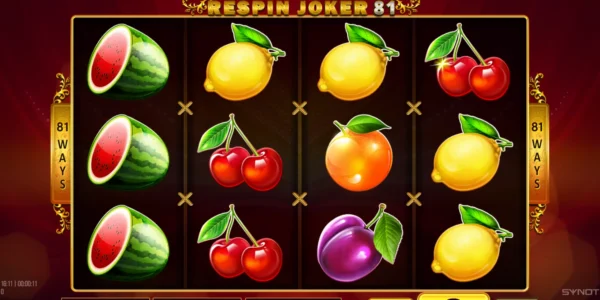
Slots have created their own theories about when they pay, what RTP means and whether a change in stake affects the next result. A short burst of wins or losses can make those beliefs look far more convincing than they are.
Hot and Cold Slot Machines
A slot may be called hot after several wins or cold after a quieter period. Some players look for a game that looks active. Others prefer one that hasn’t paid because they believe it must be close to paying out. Online slots use RNG software to select each paid spin. A win on the previous round has no effect on the next one, while a losing run doesn’t leave unpaid money sitting inside the game. When another player leaves, the next person doesn’t automatically join a machine ready to pay out.
A Slot Must Return Its RTP During Every Session
Return to Player is sometimes taken as a promise. Some might believe that a slot with a 96% RTP will return £96 from every £100 spent. But the truth is, that number isn’t a set target. Theoretical RTP is worked out across a very large number of rounds. One session can finish well above or below it, and even a longer stretch can stay far away from the percentage listed.
Volatility changes the way the returns happen too. One slot may result in smaller payouts more regularly, while another places more of its potential inside multipliers, free spins or less frequent bonus rounds. Two slots can share a similar RTP but play completely differently.
Related Casino Game Articles
Raising the Stake Makes the Slot Less Likely to Pay
Another gaming myth is that a slot knows when the player raises the bet and drops the win chance. It can feel that way when several payouts come at a lower amount, followed by a losing run after the stake is increased. The change and the losses happened close together but timing alone doesn’t prove a connection.
Slots Pay Less at Weekends
Busy Friday and Saturday nights have also sparked the myth that casinos lower slot payouts when more people are playing. There’s absolutely no time when a casino can reduce slot payouts. In fact, casinos are heavily audited by gaming control boards, regulatory commissions, and independent testing companies to make sure their Random Number Generators (RNG) and Return to Player (RTP) percentages strictly stay constant and tamper-proof at all times.

Roulette and Betting System Myths
Roulette has inspired countless betting systems based on earlier results, changing stakes and attempts to beat the house edge. The myths around these systems make them sound as though they can influence what happens next, but the truth is, they cannot change the odds or the way the wheel works.
A Betting System Can Remove the House Edge
Martingale, Fibonacci and Labouchere all adjust the bet depending on the previous results. Martingale is the best-known example, doubling an even-money roulette bet after each loss. The idea is that one later win will recover what was lost before it.
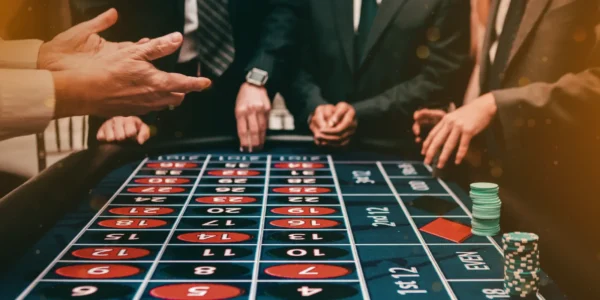
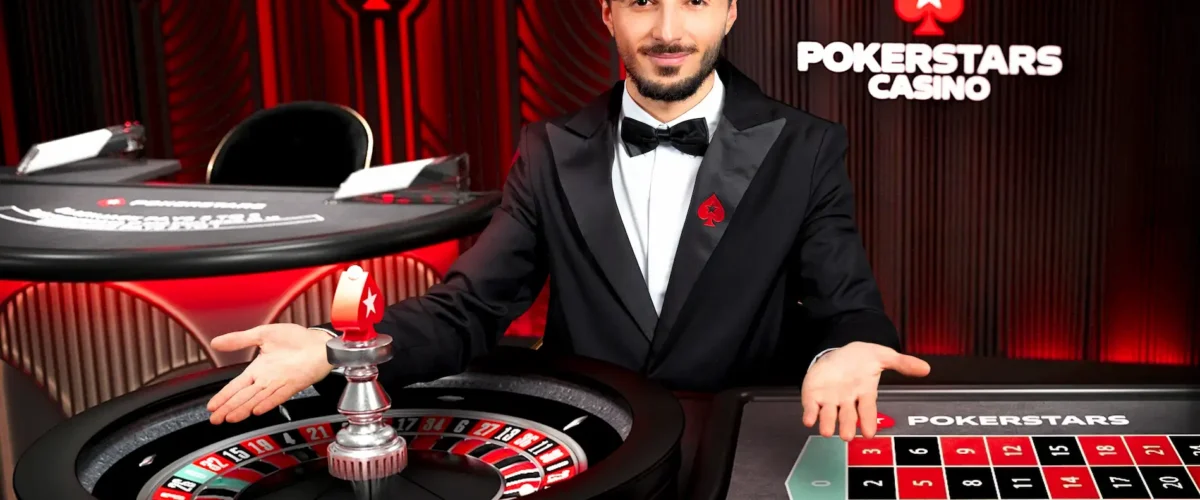
While many players can find it helpful, the wheel always stays the same. European Roulette still has one green zero and has a house edge of around 2.7%. American Roulette adds a double zero, raising the edge to around 5.26%.
Roulette Numbers Follow a Pattern
Many roulette tables show the recent numbers and colours beside the wheel. These results show what has already happened, but they can also tempt players to look for a pattern. A row of red results can make black look due. Also, repeated low numbers can make the high half seem more likely. In reality, this information is only showing what has already happened and can’t predict future spins. Random sequences naturally have streaks, repeats and gaps. A pattern can be noticed without actually offering the player any useful information about the next spin.

Blackjack Rules and Misconceptions
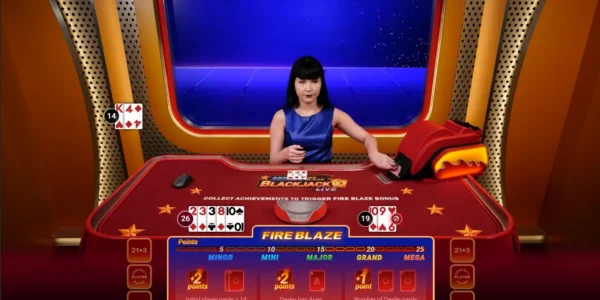
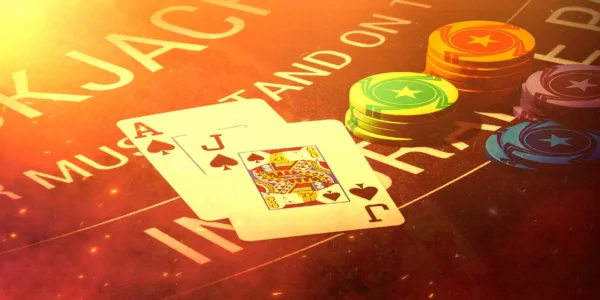
Blackjack tables can look almost identical while using rules that change the house edge. Soft 17, natural blackjack payouts and the number of decks all matter, although none of them can control every hand.
Soft 17 Always Helps the Dealer
A soft 17 has an ace counted as 11 without taking the total above 21. The dealer doesn’t personally decide whether they hit or stand. The decision is strictly fixed by the table rules. Some games make the dealer stand on all 17s, while others require another card on soft 17.
Hitting soft 17 usually increases the house edge slightly compared with standing. The number of decks, blackjack payout and other rules add to the full percentage as well. On one hand, the dealer can improve, stay on 17 or go over 21 after taking another card. The rule matters because of what happens across many hands, not because the extra card always helps.
All Blackjack Tables Have the Same Odds
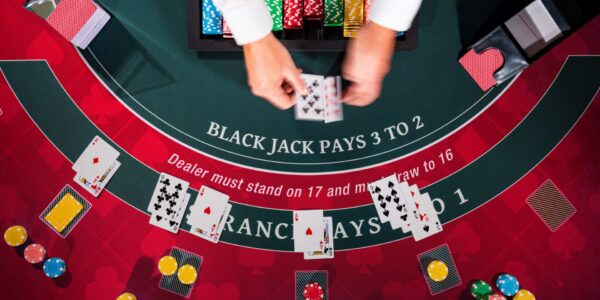
One table may pay 3:2 for a natural blackjack, while another pays 6:5. Doubling, splitting, surrender, and the number of decks can change as well. Those differences can be easy to overlook, but they change the maths behind the game. Side bets such as Perfect Pairs and 21+3 use their own payouts and probabilities, and don’t share the same house edge as the main blackjack hand.
Online Casino and Poker Myths
Online casino games and poker can create a lot of suspicion because the software is less visible than a physical wheel or deck. An unlikely river card or long losing run can then be blamed on something hidden inside the platform, designed to cheat the player.
Licensed Online Games Are Secretly Rigged
PokerStars operates using a UK Gambling Commission licence. This means all the casino games on the platform are strictly checked to comply with technical standards, testing and rules covering random outcomes. Testing can include the RNG, theoretical RTP, game maths and the information shown to players. This prevents any rigging, as it would result in serious legal and financial consequences.
Online Poker Changes the Deck to Create Big Pots
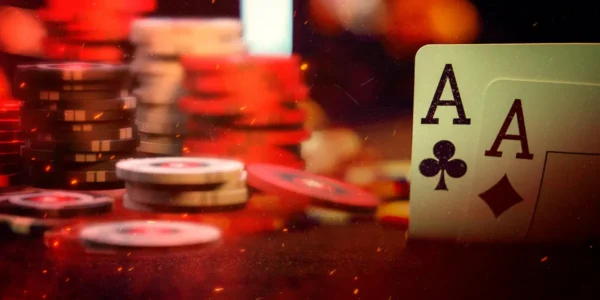
An incredible poker hand can make it seem as though the software selected the turn to increase the pot. On PokerStars, the cards are shuffled at random before each hand. Once the deck is set, the order of the deal stays the same. Unlikely cards will still show up. With so many poker hands being played, rare combinations are bound to show up from time to time. Big pots tend to stand out, but they don’t affect which card is dealt next.
Is Poker Entirely About Luck?
Chance still plays a part in poker, so a strong hand can lose and a weaker starting hand can improve. That doesn’t make the whole game random. Players still decide whether to fold, call or raise. Position, bet size and the hands another player might have all shape those choices.
The cards can have a bigger effect over a small number of hands. Over a longer period, the player’s decisions become easier to judge. There’s also an opposite gaming myth that claims skill should lead to a win every time. But even a great-looking hand can lose because no one can control what card comes next.

Myths About Land-Based Casinos
Since the earliest versions, land-based casinos have inspired stories about machine placement, building design and hidden controls that the house can use. Many take an ordinary choice about how a casino is laid out and turn it into a theory about how they affect the results.
Looser Slots Are Placed Near Entrances
A long-running myth claims that higher-paying slots are placed near entrances, bars and busy areas so that more visitors see large wins and are tempted to play. While it’s true that casinos strategically place machines for visibility, noise, available space and foot traffic, none of those shows the game’s RTP without looking into the game’s information details up close. A slot near an entrance may have a large payout, but so can one in a quieter area. A large payout also doesn’t mean that the slot pays more often.
Casinos Pump Extra Oxygen into the Building
One of the stranger gaming myths claim that casinos add extra oxygen to the ventilation system to keep visitors awake and playing for longer. While elaborate, pumping extra oxygen would increase the risk of fire and would be terrible for visitors, workers and the business alike. Also, most casinos sell alcohol at venues, which relaxes people and, after a long night, makes them feel tired. So, spending money to make the casino floor overly rich with oxygen would be counterproductive. Some casinos use scents, lighting and music to create a particular atmosphere. These things can affect how the venue feels, but they can’t manipulate players to stick at a slot, roulette or blackjack table.

Final Thoughts: Debunking Gaming Myths in Casinos
Casino myths usually start after an unlikely result is given more meaning than it actually has. A long losing run can make players think a win is just around the corner, while a surprising hand can create doubts about whether the cards were dealt fairly.
The truth is often less dramatic. Slots don’t plan when wins will appear, roulette streaks can’t change how the wheel works, and betting strategies can’t remove the house edge. Gaming myths may sound convincing, but strange results are still a normal part of games that involve chance.
FAQs
Can a slot be due to pay after a long losing run?
Are online poker hands changed to create larger pots?
Do casinos reduce slot payouts at weekends?
Does a low house edge guarantee better results?
Top Content


Trending