Deposit Limits and Bankroll Management: Planning Your Gaming Session
Casino gaming works best when the money being used has already been set aside for entertainment. A trip to the cinema, a concert or a meal out all come with a cost, and a casino budget should be treated in the same way.
Casino games are built with a mathematical advantage for the house. The size of that advantage changes from game to game, but Bankroll Management can never remove it. Setting a budget, choosing a sensible bet size and deciding how long to play can help keep spending under control.

Treating Casino Gaming as Entertainment
The easiest way to think about a gaming budget is as the maximum cost of the entertainment. Someone spending £50 on a concert ticket already knows what the evening can cost before arriving. A casino session can start with the same kind of decision. The amount should come from money that is genuinely available for entertainment after other expenses have been covered.
That does not mean the whole budget needs to be used. If a player sets aside £50 and decides to stop after spending £20, the other £30 is still theirs. The £50 is simply the most the player is prepared to spend during that session.
Why the House Edge Matters
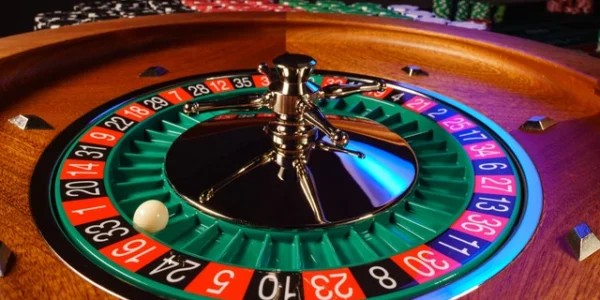
Casino games are built so the house has an advantage over time. European Roulette is a good example. The wheel has 37 pockets, with 18 Red, 18 Black and a single zero. That zero is why Red and Black are not true 50/50 bets.
Slots work differently, but they also have built-in maths. Return to Player is the theoretical percentage returned across a huge number of spins. It doesn’t mean the player will receive that percentage during one session. In both cases, a budget can control how much money is used, but it cannot remove the maths built into the game. Bankroll Management is about controlling spending instead of finding a way around those odds.
A Win Is Not the Same as Income
A player can finish a session ahead, but that does not make casino gaming a dependable source of money. Another session might go the other way, and neither changes the maths built into the game.
Setting Deposit Limits Before Playing
One of the best times to make a spending decision is before the first game begins. At that point there has been no large win, frustrating loss or near miss to influence how much feels reasonable. This which can make it easier to stick to the original plan. For example, a player might decide that £40 is the maximum they are willing to deposit for the evening. That figure can stay the same whether the first few games go well or badly. Making the decision before play starts is usually easier than deciding whether another £20 feels reasonable after losing the first £40.
How Deposit Limits Work
When played on the PokerStars online casino, players can set Deposit Limits over a set period. Depending on the platform, these can cover a day, week or month and place a cap on how much money can be added to the account during that time.
The limit should reflect what the player can comfortably afford instead of the amount they would ideally like to have available if a session goes badly. Someone with £100 of entertainment money for the month doesn’t need a £500 monthly limit just because the larger figure gives them more freedom. Deposit Limits are most useful when they match the actual budget instead of being set far above it. PokerStars also offers Responsible Gaming tools that can help players control how much is being added to an account.
What Does Bankroll Management Mean?
A bankroll is the amount of money set aside for gaming. If a player has decided that £100 is available for a particular online casino session, that £100 is the session bankroll. Bankroll Management is the way that money is handled across the session. It can include the size of each bet, how long the player intends to stay and the point at which play stops.
Related Casino Game Articles

Bet Size Relative to the Casino Budget
Bet size makes a significant difference to how quickly a casino budget can change. Someone with a £100 budget betting £20 at a time is putting one fifth of the entire amount into each bet, while someone using £1 bets is putting 1% of the same budget into each one.
Neither bet has better odds simply because it is smaller. The difference is how much of the available money is being used at once, which is why looking at the percentage can sometimes be more useful than looking only at the cash amount.
Smaller Bets Do Not Improve the Odds
Reducing a £2 bet to £1 doesn’t improve the chance of the next spin paying. It just means less of the bankroll is being used on that particular spin. That distinction matters because bankroll management for slots can sometimes be mistaken for a betting strategy. A smaller bet may allow the same starting budget to cover more bets, but the house edge is still there. The benefit comes from slowing how quickly the budget can move, not changing the game.
How Volatility Changes the Experience
Bet size can feel very different depending on the type of casino game being played. Some slots have high volatility, which usually means payouts can be less frequent but potentially larger when they do happen.
This means a player can go through a longer stretch of spins without seeing much money returned. With a smaller session budget, large bets on a highly volatile slot can use up the available money very quickly. Reducing the amount per spin leaves more of the original budget untouched after each one. Lower-volatility games tend to have smaller changes more often, but that doesn’t remove the house edge either. Volatility describes how payouts tend to be spread instead of whether a game is more likely to make money.
Planning the Length of a Gaming Session
Money is only one part of planning a casino session because time matters too. It is easy for a session to run longer than expected, particularly when several games are being played or the player loses track of how long they have been logged into an online casino. Deciding on a finish time before starting gives the player a point where the session should end. Someone planning to play for an hour can set that time before the first bet instead of deciding later on.
Why More Time Can Mean More Spending
The longer a player continues, the more bets can normally be placed. This increases the total amount of money passing through the game, even when some of the same money is being reused after payouts. For example, if a player makes £1 bets, twenty bets mean £20 has been put through the game in total, while 200 bets mean £200 has been bet even if the player never had £200 sitting in the account at one time.
Session length and spending are closely linked because more time usually gives the player more chances to place another bet. Over a much larger number of rounds, the house edge also has more time to show up in the numbers.
Timers and Reality Checks
A simple phone alarm can be useful when a session has a planned end time. If the agreed finish is 9pm, the alarm gives the player a reminder that doesn’t depend on whether the games are going well or badly.
Online casino platforms like PokerStars can also show session reminders and other Responsible Gaming tools. These can show how long a player has been active, which makes it easier to keep track of time. If the plan was to stop after two hours, carrying on for a third hour because the session is going well or badly defeats the point of setting that limit in the first place.
When a Win Changes the Budget
If a player starts with £50 and the balance climbs to £100, the extra money can feel easier to spend. That can lead to bigger bets, even though it’s still part of the same balance and the odds on the next game have not changed. In reality, It’s still real money and still part of the account balance. Increasing the bet because a slot has paid several times doesn’t make another payout more likely, just as a run of losses doesn’t mean the game is now due to pay. If the balance moves above the starting amount, that doesn’t mean the original budget should change. Bigger bets can use up that extra money just as quickly as the money the player started with.

Bankroll Management Does Not Change the Game
The most important thing to understand about Bankroll Management is what it can’t do. A deposit limit cannot change an RNG, a smaller bet can’t change the order of cards and a session timer can’t reduce the house edge on Roulette.
These tools can help the player stick to a limit, but the game itself stays exactly the same. They are there to help the player stick to the amount and playing time they decided on beforehand, not to increase the chance of winning.
Martingale Doesn’t Solve the Problem
The Martingale system is a good example of the difference between managing money and trying to use bet sizes to recover losses. With Martingale, the bet is doubled after a loss, so a £5 bet becomes £10, then £20, £40, £80 and so on if the losses continue.
The numbers rise very quickly and the system does nothing to change the chance attached to the next spin. If a Roulette wheel has just landed on Black several times, that doesn’t make Red any more likely to land next. A limited bankroll also means doubling can’t continue forever. Eventually the amount needed can become larger than the money available or the table limit, which is why it can be a very risky strategy.
Switching Games Does Not Reset the Budget
Another easy way for a budget to change is moving between different types of casino games. A player may lose money on one game and then move to another because it feels like a fresh start. The game has changed, but the money hasn’t. If £40 of a £50 entertainment budget is already gone, switching games doesn’t bring the budget back to £50. A session budget works best when it covers the whole session instead of starting again every time another game is opened.

The Psychology Behind a Session Budget
Money can feel different once it has been deposited into an online casino account or exchanged for chips. It becomes easier to think in terms of the balance on screen instead of what that money could be used for elsewhere.
One way around this is to decide before playing that the session budget represents the most the entertainment can cost for that period. If £40 is set aside, the player already knows that losing up to £40 is possible. That can make it easier to stop when the limit is reached instead of treating the loss as something that needs to be repaired by another bet.
A Near Miss Is Still a Miss
On a slot, the symbols can sometimes stop just short of what looks like a payout. It can feel close, but it has no effect on the next spin. A near miss doesn’t mean the game is about to pay, and common casino gaming myths often come from putting too much importance on what happened during earlier spins.
Responsible Gaming Tools and Personal Discipline
Responsible Gaming tools work best when they back up decisions that have already been made. A player might decide that £50 is the maximum amount they are comfortable depositing during a week and set the account limit to match.
That makes the original figure harder to change halfway through a session. PokerStars offers options that allow players to take a temporary break, restricting particular games or self-excluding for a longer period. These tools are not designed to make casino games easier or more likely to pay out. They give the player more ways to control when and how much they play.
Why Limits Can Help
A limit is useful partly because it puts another step between an impulse and another deposit. Without one, adding more money can take only a few seconds, while a limit can stop the player from continuing just because they have changed their mind after a loss.
Putting a Gaming Session Plan Together
A basic session plan doesn’t need to be complicated. It starts with deciding how much entertainment money is genuinely available and using that figure as the casino budget. From there, the player can decide how much of that amount they are comfortable placing on a single bet. Looking at the bet as a percentage of the whole budget can make unusually large amounts easier to spot. A finish time can then be set alongside the financial limit so the player knows both how much they are prepared to spend and when they plan to stop.
Keeping the Original Plan in Place
A large win doesn’t need bigger bets, just as a run of losses doesn’t need another deposit. A near miss also doesn’t justify staying for another hour because it doesn’t affect what the next round will do. Bankroll Management is there to help the player stick to the budget and time limit chosen before starting. Its value comes from keeping those decisions in place, not from anything it does to the odds of winning.

Final Thoughts: The Importance of Bankroll Management
Deposit Limits and Bankroll Management are about deciding what a casino session can cost before the first bet is placed. A fixed entertainment budget separates gambling money from bills and savings, while a sensible bet size can stop a large part of that budget being used on one spin or hand.
A planned finish time gives the session another stopping point, but none of these choices changes the house edge or makes a payout more likely. They help the player control their own spending and playing time rather than giving them an advantage over the casino.
Casino gaming on PokerStars or any other online casino should be treated as paid entertainment instead of a source of income. If the casino budget has been used, the session is finished, and if the planned time is up there is no reason to stay because the game feels close to paying or because earlier losses still need to be recovered.
FAQs
What Is Bankroll Management in Casino Gaming?
What Are Deposit Limits?
How Should a Casino Budget Be Set?
Does Bankroll Management Increase the Chance of Winning?
Top Content


Trending