From Fruit Machines to Megaways: The Evolution of Slots
Slots have come a long way from the old fruit machines found in arcades, casinos, and platforms like PokerStars. What started with mechanical reels, fruit symbols, bells and levers has grown into one of the biggest formats in the online casino world.
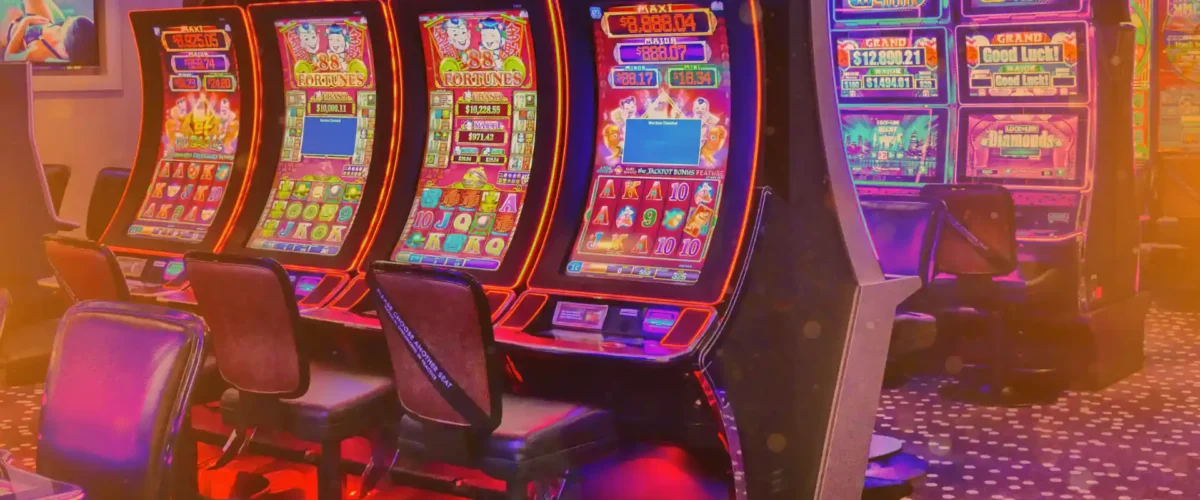
Modern slots can include cascading reels, Megaways systems, branded franchises, bonus rounds, progressive jackpots, cluster pays and layouts designed specifically for phones and tablets. The technology, screens and themes have all changed, yet slot history still has a clear thread running through it. The old fruit symbols, bells and BAR icons have not disappeared completely. In many cases, they still play a big part in slots, even when the game around them has become much more advanced.
The Early Days of Slot Machines
The earliest slot machines were physical, mechanical and very different from the digital games now found on PokerStars. Before video screens, bonus rounds and online casino platforms, slot games were built around reels, springs, levers and coin mechanisms. The player would insert a coin, pull the lever and watch the reels stop in place. The result was quick, clear and built around a short burst of suspense.
Early machines couldn’t offer animation, features or cinematic bonus rounds, but for players at the time, it was more than enough. A row of symbols, a lever on the side and a moment of waiting for the symbols to clunk in place created a format that would last for more than a century.
One of the most famous early machines was the Liberty Bell, created by Charles Fey in the late 19th century. It used three reels and a small group of symbols, including horseshoes, card suits and the Liberty Bell itself. Three bell symbols gave the machine its top payout. Compared with modern slots, that setup looks simple. At the time, though, it helped shape the future of slot design.
Why Fruit Machines Became So Recognisable
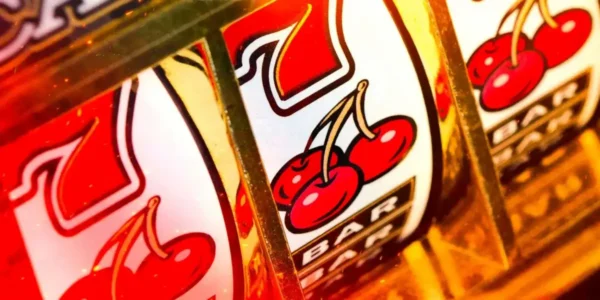
Fruit machines became a huge part of slot history because their symbols were instantly understandable. Cherries, lemons, oranges, plums, bells, bars and lucky sevens all became part of the classic slot look. These symbols were bright, simple and easy to spot. That mattered because early machines had to explain everything quickly.
Fruit symbols were also tied to early prize systems and gambling restrictions of the time. Some machines used fruit-flavoured gum or other non-cash rewards, which helped fruit icons become a lasting part of slot culture. The BAR symbol also became one of the most famous slot icons, linked with the Bell-Fruit Gum Company.
The One-Armed Bandit Became a Slot Icon
The nickname “one-armed bandit” came from the lever on the side of early slot machines. That lever became one of the most famous parts of slot history. Pulling it gave the machine a physical feel, much different to a player just pressing a button or tapping a screen. Digital screens and RNG technology have changed how the result is generated and displayed. That physical design helped slots stand apart from card and table games. Instead of sitting through rounds, dealer actions or long decisions, the player could see the result almost straight away.

Mechanical Reels to Electromechanical Slots
The next big step came when machines moved from purely mechanical parts to electromechanical systems. The familiar look didn’t disappear; the reels were still there, the symbols were still there, and, in some cases, the lever was still there too. Behind the scenes, however, the technology was changing what the machines could do.
The old machines had physical limits. Electromechanical systems gave manufacturers more room to experiment with payouts, lights, sounds and presentation. Slot machines became brighter, louder and more central to casino floors. The machines were still physical, but they were beginning to feel more modern.
Video Slots Changed the Screen
Video slots changed what a slot game could look like. Instead of relying only on physical reels, video machines used screens to show the action. This gave developers much more room for themes, graphics, animation and extra features. The reels could still appear on screen, but they were no longer tied to physical parts in the same way.
The first video slot machines appeared in the 1970s, with Fortune Coin among the most famous. These games showed that a slot did not need physical reels to still feel like a slot. A screen could create the same reel movement while giving designers far more control over the presentation.
At first, that must have felt like a strange change. A physical reel is right there in front of the player, but a video screen asks for more trust in what’s being shown. Over time, video slots became normal, and the format started to evolve. Once the reels were digital, developers could do much more with them. They could create bonus screens and add character artwork. They could also build themed games around things like films, music, mythology and fantasy.
Related Slots Articles
Bonus Rounds Make Slots Feel Bigger
Bonus rounds became one of the biggest changes in slot design. For a long time, slots were mainly about the base reel spin. The reels stopped, the result was shown, and the next spin began. Video technology gave developers space to add extra scenes and feature rounds away from the main reels. WMS Industries’ Reel ’Em In, released in the 1990s, is among the titles that helped with the rise of the second-screen bonus round. That style of feature made slots feel much bigger because the game could move into another screen or mini-game after a bonus trigger. A fishing slot could move into a picking bonus. A treasure slot could open a chest feature. A fantasy slot could shift into free spins with different symbols or extra features.
Progressive Jackpots
Progressive jackpots changed slots in another way. Instead of every prize being fixed, a progressive jackpot can grow over time until it’s won. In land-based casinos, this could be done by linking machines together. Online, progressive jackpots could be connected across games, networks or platforms.
While a regular prize sits inside the paytable, a progressive jackpot sits above the game as something that keeps changing. The figure can become part of what makes the game stand out, especially when it’s displayed clearly on screen. Modern online slots use jackpots in several ways. Some are standalone. Some are linked across a network. Some use daily drops, must-win-by values, prize wheels or jackpot features. On PokerStars, jackpot-style games such as Jackpot King titles show how different types of online slots can be connected.

The Launch of Online Casino Slots
The move online changed slots more than almost anything else. Once slot games became part of online casinos like PokerStars, they were no longer tied to one machine in one building. The same basic format could be played through a computer, then later through phones and tablets.
A land-based slot takes up space on a casino floor. An online slot sits inside a digital library. That means there can be many more themes, formats and providers available in one place. Games can also be updated, replaced and released at a much faster pace. Online casino slots also made RNG technology vital to the experience. A random number generator decides the outcome of each spin, while animations then show that result on screen.
RNG Technology and Fairness
Random number generator technology is one of the most important parts of modern slots. RNG software creates random outcomes, which means each spin is separate from the one before it. That really matters because slot myths have followed the game for years. Old physical machines inspired plenty of stories about timing, lever pulls and lucky machines. Online slots can still get similar myths, but RNG technology means the actual result is not based on patterns a player can read from the screen.
This is especially important in a regulated online casino setting. Games need to meet fairness standards, and information around RTP, volatility and rules helps explain how the slot is built. RTP is a long-term theoretical figure, not a guarantee about what might happen. Volatility explains how the pace and size of possible payouts may feel over time, but it doesn’t predict the result of a specific spin. These details help explain the structure of a slot, but they don’t take away the role of chance.

Mobile Play Changes the Shape of Slots
Mobile technology changed how online slots were designed. At first, many online casino games were made with desktop screens in mind. As mobile phones became more powerful, developers had to think differently. A game needed to work on smaller screens, with clear buttons, readable symbols and layouts that didn’t feel cramped.
HTML5 became a major part of that shift. It allowed games to run across desktop and mobile browsers without the same reliance on older plug-in technology. That made it easier for slots to feel consistent across different devices. This changed the way games were built. Symbols became bolder, menus became cleaner and portrait mode became more common. Bonus information had to fit into smaller spaces, and games had to load quickly and still look great.
Modern slots often look different because of mobile play. A game may still have five reels, but the way those reels sit on the screen has been shaped by years of phone and tablet focus. On PokerStars, this matters because slot games sit alongside many other casino games, each with its own layout, theme, RTP and volatility. Classic slots, branded slots, jackpot games and Megaways titles can all sit in the same library.
Cascading Reels Add More Movement
In a traditional spin, the reels stop, the result is shared, and the next spin begins. Cascading reels work differently. When a winning combination lands, those symbols can disappear and new symbols can fall into the empty spaces. This can create another chance for a new combination from the same paid spin.
Cascading reels are especially common in modern online slots because they work well on digital screens. The feature would have been far harder to add to old mechanical machines. Online, symbols can fall, explode, vanish, refill or tumble without needing physical parts. The pace also feels different. A single spin can have several moments, rather than one stop and one result. Some games even combine cascading reels with multipliers, free spins or cluster pays.
Cluster Pays Move Away From Traditional Lines
Cluster pays are another example of slots evolving beyond the old reel setup. In a traditional slot, winning symbols usually need to land across fixed paylines or adjacent reels. Cluster games work differently. They work through groups of matching symbols that touch in a set pattern, often horizontally or vertically.
That changes how the grid feels. Instead of focusing on each line individually, the player is looking for groups of matching symbols. The layout may be larger, the symbols can fall in cascades, and the screen can feel closer to a puzzle-style game rather than a classic fruit machine. Cluster pays became popular because they gave developers another way to use digital screens. The game didn’t have to stay locked to three reels, five reels or a fixed set of paylines. It could use larger grids and more going on across the reels.

Megaways Changes the Reel Structure
Megaways is one of the biggest modern developments in slots. Created by Big Time Gaming, the Megaways mechanic changes the number of symbols that can appear on the reels. Instead of a fixed reel structure, the reel height can shift from spin to spin. This creates a changing number of possible ways to form wins.
Older slots often had fixed lines, but Megaways made the reel setup feel less fixed. One spin could have fewer possible ways, while another could have thousands. Megaways also pairs well with other modern features. Cascading reels, free spins, multipliers and expanding reels often appear in Megaways games, giving the format a fast and busy style.
How Megaways Changed Player Expectations
Megaways helped change what some players expect from modern slots. Classic slots usually keep things simple, with familiar reels, symbols and paylines that stay in place from spin to spin. Megaways feels different because the screen can shift each time, changing how many ways there are to form a win.
That makes the game look busier and less predictable, even though the outcome is still random. This has influenced other slot designs too. Many modern games now try to create extra movement through expanding reels, shifting grids, mystery symbols, collection meters or feature pots. The old fixed format still exists, but players are now used to seeing slots that change as they go.

Final Thoughts: Fruit Machines Have Come a Long Way
The evolution of slots is really about improving and rebuilding a familiar structure over and over. Fruit machines gave the genre its most recognisable symbols. The Liberty Bell helped shape the early slot machine. Electromechanical machines brought bigger automatic payouts and brighter casino floors. Video slots opened the door for bonus rounds, animated themes and second-screen features. Online casino platforms like PokerStars made the format more accessible worldwide and gave developers much more room to try new things.
Then came mobile play, progressive jackpots, cascading reels, cluster pays and Megaways. Each stage changed the way slots looked and felt, but the centre of the game stayed familiar. Symbols still land, results are still random, and the player still waits for the reels to stop. That’s why slot history is so full of change without feeling completely disconnected from the early days of the 3-reel machines.
FAQs
What were the earliest slot machines like?
Why are fruit symbols so common in slot games?
What changed when video slots arrived?
How did online slots change the format?
What are cascading reels?
What makes Megaways different from classic slots?
Top Content


Trending