Understanding the Mathematics of Card Shuffling
To have a fair card game, you need to always ensure that the cards are shuffled sufficiently. And this is where maths comes in handy, especially at an online casino. Maths answers the question of how many times you need to shuffle a deck of cards in order to achieve a thoroughly randomised pack.
Perhaps you might have seen magicians perform card shuffling tricks to leave you awed. In most instances, these tricks are just maths in action. Below, we will explore the mathematics of card shuffling!
Card Shuffling: A Game of Numbers
Card shuffling is a game of numbers. Most mathematicians have proven that the number of shuffles required to mix up a deck of 52 cards varies depending on the type of shuffle utilised. So, which are these types of card shuffling techniques?
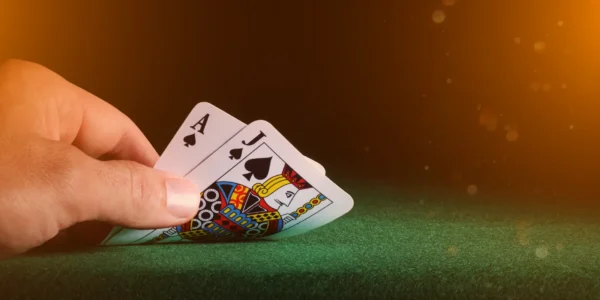
1. Riffle Shuffle
Riffle shuffle is a card shuffling technique where you split the deck of cards into halves then use your thumbs to interleave the cards quickly. This technique is one of the most efficient card shuffling techniques and requires just seven shuffles to mix the cards well.
2. Smoothing
Smoothing is a technique where you scatter the cards flat on a table and then spread them out randomly over each other. This technique is quite simple and straightforward and requires only 30 seconds to 1 minute to mix the deck of cards thoroughly.
3. Overhand Technique
In the overhand card shuffling method, all you need to do is take sections of stacked cards and move them over to make a new stack. However, this technique is time-consuming as it requires you to mix the deck 10,000 times in order to achieve a perfect mix.
Card Dealing for Card Game Fairness
Card dealing is a key technique to ensure fairness in card games. The main methods used in card dealing include back-and-forth and the cyclic method.
The cyclic method deals cards in a repeating sequence. For example, one, two, three, four, one, two, three, four. On the other hand, the back-and-forth technique deals the cards in an alternating sequence. For example, one, two, three, four, four, three, two, one.

Basically, the back-and-forth dealing technique is more efficient in terms of improving the randomness of the cards, thus necessitating just a few shuffles to mix the cards well.
Practical Applications of Card Shuffling
Card shuffling piques interest from gamblers to casino executives among others. For instance, casino operators want to know the number of shuffles needed to mix a deck while employing almost perfect techniques. Casino executives use card shuffling techniques to make gamblers guess as few correct cards as possible.
On the other hand, gamblers use the mathematics behind some card shuffling techniques to maximise the number of times they can guess cards correctly when cards are turned up one at a time.

How the Type of Game Affects Card Shuffling
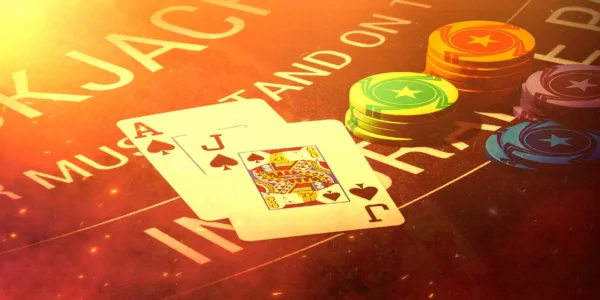
The game being played makes a difference in terms of the number of times required to mix them thoroughly. For example, in blackjack the card suits are ignored because certain cards are equal in value. For instance, ace cards are equal to 1 or 11 depending on the player’s choice and total hand value. What this means is that four or five shuffles are enough to mix the cards thoroughly.
Conclusion
Understanding the mathematics behind card shuffling opens up a new frontier to both casino operators and gamblers alike. While some of the card shuffling techniques are complex, maths comes in handy to at least help make more informed guesses when it comes to card games. Additionally, with a good grasp of card shuffling casinos can achieve fairness in casino card games.

Top Content


Trending