How to Play Boring Flops
It can be disappointing to raise preflop, get called, and then see a boring flop that doesn’t seem to offer many opportunities. In reality, though there’s no such thing as a boring flop in poker. There’s always a decision to be made that could cost you or gain you chips.
What makes a flop boring is subjective, but players generally use the term when the board is unlikely to generate much action, or more commonly, when they’ve missed it completely.
Even if you miss the flop, it’s still worth considering how you can win the pot, whether by controlling the size of the pot, improving on the turn, or making a bluff.
Here’s how to play boring flops.
Missing the flop completely
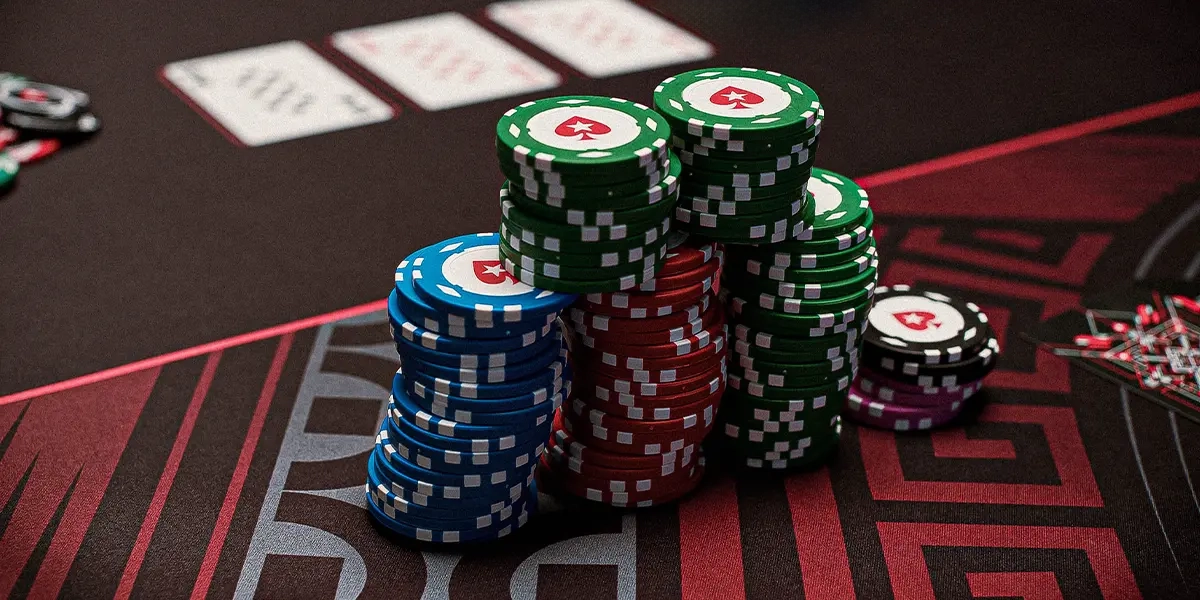
Flops are most appealing when you connect by making a pair or better, or pick up a draw. Missing the flop completely is not a very exciting prospect.
Still, hitting or missing the flop is not always the deciding factor in the hand. In fact, an unpaired starting hand will miss the flop by failing to make a pair or better roughly two-thirds of the time. This is true for both you and your opponent, so at least one of you will often have missed.
This is where other factors come into play, such as position, stack sizes, initiative and range advantage. For example, if you raised preflop and your opponent called out of position, a continuation bet may win the pot, particularly on boards that favour your range.
You’ll have fewer options if you called a preflop raise and are out of position. You may need to check-fold when you miss, particularly when the board favours your opponent’s range. However you can sometimes fight back with a check-raise bluff when the board and your hand make it a suitable play. Having some backdoor equity can make these bluffs more effective.
If you’re in position, analyse the board texture and think about how well it connects with your opponent’s range. You could still have the best hand even if you miss the flop, in which case checking back can help control the pot and take your hand to showdown.
If you miss the flop, have little chance to improve, and believe you’re behind, consider whether a continuation bet could work as a bluff. Can you take down the pot with a single bet, or would you need to keep applying pressure on later streets?
Even when you miss the flop, there’s plenty to consider. Knowing when to give up and when to attempt a bluff is an important part of playing these situations well.
Playing on dry, rainbow flops
A rainbow flop has three different suits, so no player can have a flush draw on the flop. If the cards are also disconnected, the board is considered dry, meaning it offers relatively few drawing opportunities.
Examples of dry flops include:
- J♣6♦2♥
- K♦8♠3♣
- 10♥10♠3♠
- 6♣6♥3♠
In one respect, it’s a joy to see a dry board when you have a made hand, like a flopped set or an overpair like pocket aces. On the other hand, it can make it difficult to get value with strong made hands, as your opponents may have few draws or strong hands to continue with. If they’ve missed the flop completely, they may struggle to find a reason to call.
All in all, you’re likely to see folds on this kind of board, especially when your opponent has little reason to continue. It might seem boring, but taking down small pots like this can add up in the long run.
Low boards when you have broadways
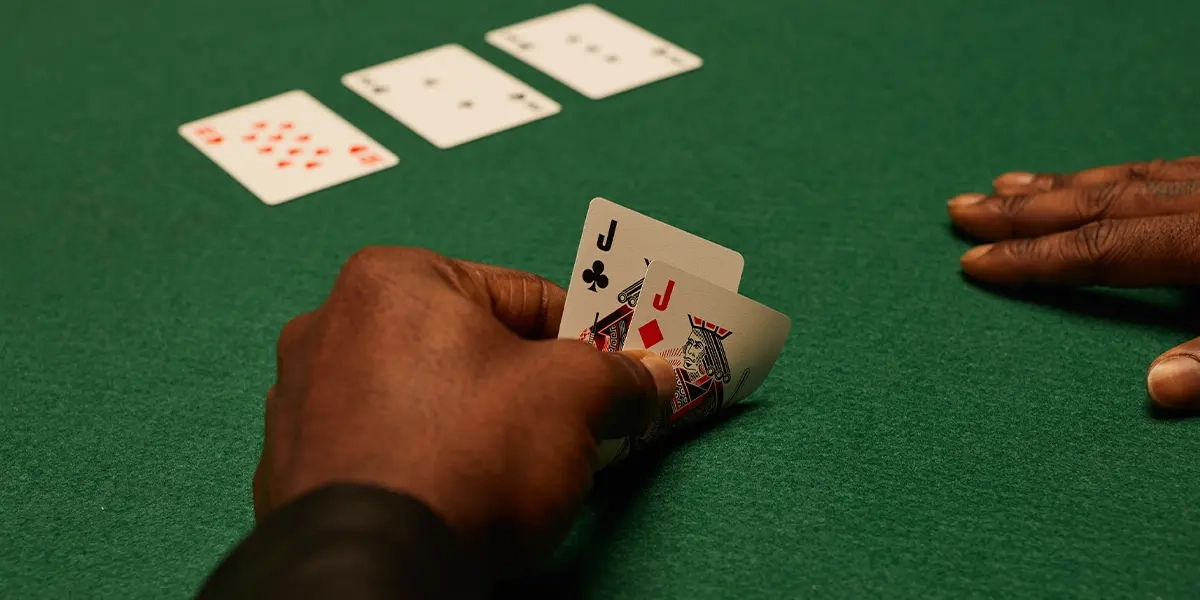
Low boards can be favourable when you have an overpair, such as pocket jacks on an 8♣5♦2♥ flop. You may be able to bet for value and get calls from weaker pairs. However, if you raise preflop with a hand like A♠Q♠ and missed a low flop, you’ll need to consider whether a continuation bet is worthwhile or whether checking back is the better option.
That doesn’t mean you’re definitely behind. Your opponent could also have missed, and your ace-high could be the best hand. Checking back can help control the pot and take your hand to showdown, while also giving you a chance to make a pair on the turn.
On the other hand, betting could win you the pot without having to reach showdown. If the board is dry and favours your range, a continuation bet may put pressure on your opponent and force a fold.
Conclusion
Every situation in poker is unique, so you’ll need to decide whether to check, fold or bluff when you miss the flop. The important thing to remember is that no flop is boring if you’re always looking for the best way to play your hand.


View Other Blogs