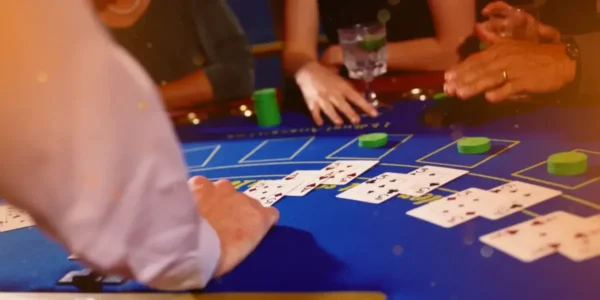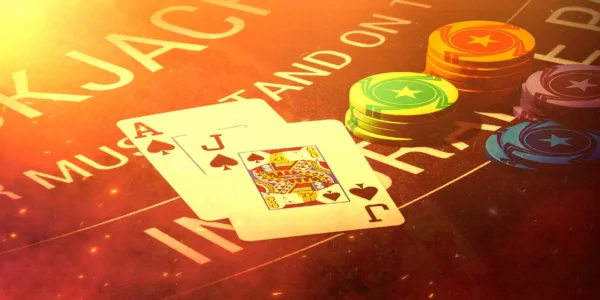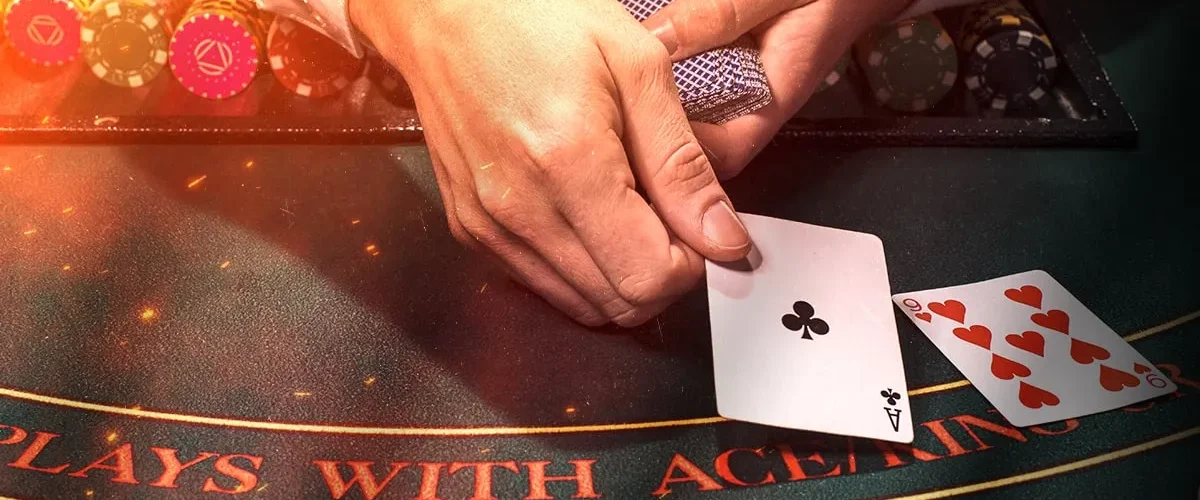
Blackjack Table Etiquette and Dealer Interaction: Playing with Respect
Sitting down at a blackjack table for the first time can be slightly intimidating. Alongside learning when to hit, stand, split or double down, there are chips to handle, hand signals to remember and other players waiting for their turn. Fortunately, blackjack table etiquette is much simpler than it might initially appear.
Most of the rules are there for practical reasons. Clear hand signals help the dealer understand each decision, betting procedures keep the game running smoothly, and rules around cards and chips help prevent mistakes and disputes. Once you understand the basics, many of these behaviours quickly become second nature.
Good blackjack etiquette is also about the people around the table. Dealers are there to manage the game, while other players should be able to enjoy their hands without unwanted advice, criticism or interruptions. Winning and losing are both part of blackjack, and neither is an excuse to make the experience uncomfortable for everyone else.
In this guide, we’ll cover the essential blackjack table etiquette every player should know, from buying chips and placing bets to communicating with the dealer and using the correct hand signals. We’ll also look at some of the unwritten social rules of the blackjack table, how etiquette differs when playing online and why knowing when to step away is just as important as knowing how to play.
Why Does Blackjack Table Etiquette Matter?

Blackjack tables can move quickly. Several players may be making decisions during the same round, chips are constantly being placed and collected, and the dealer needs to keep track of every action.
Table etiquette helps keep that process clear.
Some rules are primarily practical. Players shouldn’t change their bets once a hand has started, for example, while specific hand signals make decisions easy for the dealer to recognise. Others help maintain the security and integrity of the game.
Casino tables are also monitored, so visible actions can provide a clear record of what happened during a hand. This is one reason simply saying ‘hit’ or ‘stand’ may not always be enough at a physical blackjack table. Using the appropriate hand signal makes the player’s decision visible as well as audible.
Keeping the Game Moving
Good etiquette also prevents unnecessary delays.
Players don’t need to rush important decisions, but knowing the basic procedures means the dealer isn’t repeatedly explaining where chips should go or asking someone to clarify what they want to do.
If you’re unsure, however, asking is much better than guessing. Dealers regularly encounter beginners and can usually explain the table procedure or clarify the available options.
Creating a Better Atmosphere
Not every piece of blackjack etiquette is an official casino rule.
Some of it is simply about being considerate. Avoiding criticism of another player’s decisions, keeping celebrations reasonable and treating the dealer respectfully all contribute to a more enjoyable table.
Blackjack is ultimately a shared experience when played in person. You don’t need to chat with everyone or become the life of the table, but a little courtesy goes a long way.
Understanding Blackjack Hand Signals
At a physical blackjack table, players generally use hand signals to show the dealer what they want to do. These signals aren’t just casino theatre. They make decisions clear to the dealer and provide a visible record for the casino’s surveillance cameras.
The exact signals can differ depending on whether the cards are dealt face-up or face-down, but most modern casino blackjack games use familiar gestures.
How to Signal Hit
If you want another card, tap the table or point towards your cards with your finger.
The dealer will then add another card to your hand. You can continue hitting until you decide to stand or your total exceeds 21.
How to Signal Stand
To stand, wave your hand horizontally over your cards with your palm facing down.
This tells the dealer that you’re happy with your current total and don’t want any additional cards.
Try to make the gesture clear rather than simply sitting still. The dealer needs to know you’ve actively decided to stand before moving on to the next player.
How to Signal Double Down
When doubling down, place the additional wager beside your original bet rather than on top of it. You can then indicate that you want to double, often by pointing with one finger.
The additional wager will usually need to match your original stake, although some blackjack rules allow a smaller amount.
You’ll then receive one additional card before your turn automatically ends.
How to Signal a Split
If you’re dealt a pair and want to split, place a second wager equal to your original bet beside it.
You can then make a two-finger gesture, usually forming a V, to indicate that you want the cards separated into two hands.
Avoid physically separating the cards yourself. The dealer will arrange the new hands and deal the additional cards.
What About Face-Down Blackjack?
Hand signals work slightly differently in games where players are allowed to hold face-down cards.
In these games, players may scrape the edge of their cards gently against the table to request a hit and slide their cards underneath their chips when standing. Procedures can vary between casinos, so follow the dealer’s instructions if you’re playing an unfamiliar format.
The cards should also remain over the table and visible at all times. Even when you’re permitted to handle them, taking cards away from the table or holding them where they can’t be clearly seen can create unnecessary security concerns.
If you’re ever unsure which signal to use, simply ask the dealer before making your move. It’s much easier to clarify the procedure than worry about getting every piece of casino etiquette right on your first hand.
How to Buy In and Handle Casino Chips
Before playing blackjack at a physical casino, you’ll need chips to place your wagers. Buying in is straightforward, but there are a few pieces of etiquette worth knowing.
Buying Chips at the Table
Many blackjack tables allow players to exchange cash for chips directly with the dealer.
Place your money flat on the table rather than trying to hand it directly to the dealer. The dealer will count the cash where it can be clearly seen before exchanging it for the appropriate chips.
This procedure helps create a visible record of the transaction and prevents confusion about how much money has changed hands.
If you’re unsure about the table minimum, check the sign before buying in or ask the dealer. There’s nothing wrong with checking before committing to a seat.
Placing Your Chips
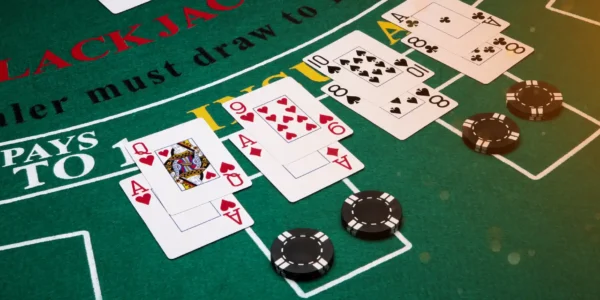
Once you have your chips, place your wager inside the designated betting area in front of your position.
If you’re using multiple chip denominations in the same stack, casinos generally prefer higher-value chips to be placed at the bottom and lower-value chips on top. This makes the total wager easier for the dealer to see.
Most importantly, once the dealer signals that betting has closed and begins dealing, leave your wager alone.
Even if you immediately decide you wish you’d wagered more or less, don’t add, remove or rearrange chips during the hand. Wait until the round has been completed before preparing your next bet.
Keep Your Chips Organised
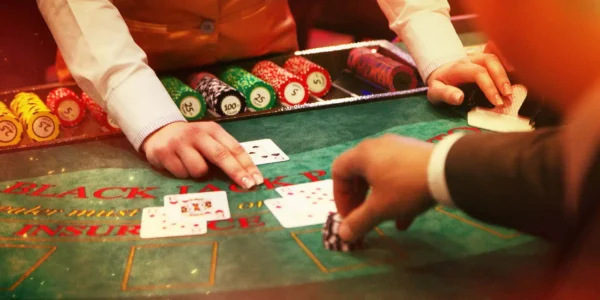
Your unused chips should remain neatly in front of you and away from the betting areas.
There’s no need to create perfect casino-style stacks, but keeping chips organised makes it easier to track what you have and reduces the chance of accidentally placing something where it doesn’t belong.
It also helps keep the table clear for the dealer and other players.
What If You Want to Leave?
You don’t need to play until all your chips are gone. Players can leave a blackjack table when they choose, although waiting until the end of the current hand is generally the most convenient time to do so.
Casino chips can usually be taken to the cashier or cage to exchange them for cash.
If you’re unsure where to go or whether a particular chip can be cashed elsewhere in the casino, ask the dealer or another member of staff. Knowing when you’ve had enough and cashing out is completely normal, whether you’re leaving ahead, behind or exactly where you started.
When Can You Place or Change Your Bet?
Timing matters at a blackjack table. Players are given an opportunity to place their wagers before each round begins, but once the cards are being dealt, those original bets generally need to stay exactly where they are.
Wait Until Betting Opens
After one hand finishes, the dealer will clear the table and open betting for the next round.
This is the time to place a new wager or change how much you want to bet. If you’re joining a table, wait until the current round has finished rather than trying to put chips down while other players are still completing their hands.
The dealer may announce when betting is open and when no more bets can be placed.
Don’t Touch Your Bet During the Hand
Once the cards have been dealt, avoid touching the chips in your original betting area.
This applies whether you’re winning, losing or have simply changed your mind about the amount you wanted to wager. Moving chips after seeing the cards could create confusion about the original stake and isn’t permitted.
If you decide to double down or split, that’s different. These actions require an additional wager as part of the game, and the dealer will indicate where those chips should be placed.
Don’t Rush the Dealer
There can be a short gap between hands while the dealer collects losing wagers, pays winning hands and clears the cards.
Wait until this process is complete before placing your next bet. Throwing chips into the betting area while the dealer is still settling the previous round can make their job unnecessarily difficult.
Betting in Online Blackjack
Online blackjack makes the betting window much more obvious.
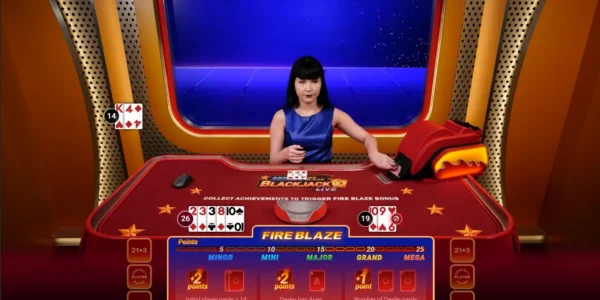
In a standard digital game, the interface will only allow wagers to be placed at the appropriate time. Live dealer tables usually display a countdown showing how long players have to make their selections before betting closes.
Once the countdown reaches zero, bets are locked and the round begins.
The main piece of etiquette here is simply to keep up with the game. At live dealer tables, repeatedly waiting until the final second can become disruptive if the format requires player decisions within a set timeframe.
However, there’s no need to panic if you miss a betting window. Rather than trying to rush a wager through, simply wait for the next round. Blackjack isn’t going anywhere.
How to Interact With the Blackjack Dealer
The dealer is responsible for much more than simply dealing the cards. They manage bets, settle winning and losing hands, keep the game moving and make sure the table rules are followed.
Players don’t need to remain silent while all this happens. In fact, friendly conversation is a normal part of the experience at many blackjack tables.
It’s Fine to Ask Questions
If you’re new to blackjack and don’t understand something, ask.
Dealers can usually explain practical details such as the table minimum, how to place a split bet, which hand signal to use or whether a particular action is permitted under the table rules.
What they generally won’t do is make playing decisions for you. You shouldn’t expect the dealer to tell you whether you should hit a 16 or split a particular pair, for example.
You can ask what your options are, but the final decision remains yours.
Don’t Blame the Dealer for the Cards
It sounds obvious, but dealers don’t control which cards appear.
A run of bad hands can be frustrating, particularly when the dealer repeatedly seems to find exactly the card they need. That doesn’t make it the dealer’s fault.
Complaining about the occasional unlucky hand is one thing. Directing anger towards the person dealing the cards is another.
The same applies when another player wins while you lose. Blackjack produces different outcomes across the table, and the dealer is simply administering the game.
Keep Conversation Appropriate
A sociable blackjack table can be great fun, and many dealers are happy to chat while they work.
However, remember that they’re also concentrating on managing several hands and wagers simultaneously. Avoid deliberately distracting them while they’re calculating payouts, resolving an unusual situation or speaking to another player.
If the table is particularly busy, taking cues from the dealer and other players can help you judge how much conversation is appropriate.
What Should You Do If You Make a Mistake at the Blackjack Table?
Don’t worry if you use the wrong hand signal, misunderstand when to place your chips or aren’t sure what happens next. Blackjack dealers regularly work with players of all experience levels.
If you make a mistake, avoid moving cards or chips around to correct it yourself. Simply tell the dealer what happened and follow their instructions. If necessary, they can ask a floor supervisor to resolve the situation.
Most blackjack etiquette mistakes are easily fixed, so there’s no need to feel embarrassed about asking for help.
Talking to Live Dealers Online
Live dealer blackjack brings some of this interaction to online casinos.
Players can often communicate with the dealer through a chat box, while the dealer may respond verbally during the game. This can make the experience feel much more social than standard digital blackjack.
The same basic etiquette applies online. Keep messages respectful, avoid flooding the chat and remember that the dealer is simultaneously managing the game and potentially interacting with numerous players.
Blackjack Etiquette Around Other Players
Blackjack isn’t usually played directly against the other people at the table. Everyone has their own hand and is trying to beat the dealer.
Even so, the behaviour of other players can have a big impact on the atmosphere.
Don’t Criticise Someone Else’s Decisions
One of the biggest blackjack etiquette rules is simple: let other players play their own hands.
Someone might hit when you would have stood, refuse to double down in a situation where you would have done so or split a pair that you would have kept together. Ultimately, it’s their wager and their decision.
Unsolicited strategy advice can quickly become irritating, particularly if it turns into criticism after the hand has finished.
Celebrate Without Taking Over the Table
A blackjack table doesn’t need to feel like a library. Celebrating a good hand, chatting with other players and enjoying the occasional dramatic dealer bust can all be part of the experience.
Just keep the scale of the celebration appropriate.
Someone else at the same table may have just lost a sizeable wager while you received blackjack. Enjoy your win, but there’s rarely any need to turn it into a victory parade.
Common Blackjack Etiquette Mistakes
Nobody arrives at their first blackjack table knowing every casino convention. Most mistakes are easily corrected, and dealers are accustomed to helping new players understand how the table works.
Still, knowing a few common mistakes beforehand can make that first game considerably easier.
Touching the Cards When You Shouldn’t
At many blackjack tables, particularly games where cards are dealt face-up, players aren’t permitted to touch their cards at all.
Leave them on the table and use the appropriate hand signals to communicate your decisions.
Face-down games may allow players to handle their cards, but there will still be rules about how this is done. Follow the dealer’s instructions rather than assuming you can pick them up.
Reaching Across the Table
Avoid reaching into the dealer’s working area to move cards, retrieve chips or point something out.
If you think a payout is incorrect or you’ve noticed something unusual, tell the dealer and allow them to resolve it. Casino tables are carefully organised spaces, and reaching into the playing area can cause unnecessary confusion.
Trying to Correct a Mistake Yourself
Mistakes occasionally happen. A chip may end up somewhere unexpected, a player might misunderstand an instruction or there may be a question about a payout.
Don’t attempt to fix the situation yourself by moving cards or chips.
Tell the dealer what you think has happened and let them handle it. If necessary, a floor supervisor can review the situation.
Taking Too Long on Every Decision
Players are entitled to think about their hands, and beginners shouldn’t feel pressured into making instant decisions.

However, repeatedly holding up the table because you’re distracted by a conversation or haven’t been paying attention is different.
Try to follow the action so you’re ready when the dealer reaches your position. If you need a moment for a genuinely difficult decision, take it.
Phones, Drinks and Personal Items at the Blackjack Table
Blackjack tables are social spaces, but they’re also carefully controlled gaming areas. Keeping personal belongings out of the way helps the dealer manage the game and avoids anything interfering with the cards or chips.
Using Your Phone at the Table
Casino rules around mobile phones can vary considerably.
Some casinos may allow players to briefly check their phones between hands, while others have stricter policies about using devices while seated at a gaming table. Taking photographs or recording the dealer and other players may also be prohibited.
If you need to make a call, send several messages or spend some time on your phone, stepping away from the table is usually the easiest option.
Keep Drinks Away From the Playing Area
Many casinos allow drinks at blackjack tables, and having a drink while playing can be part of the night out.
However, use the designated drinks holders or areas rather than placing a glass among your chips. One accidental spill can bring the game to an abrupt stop.
Bags, Coats and Other Belongings
Keep bags, coats and other personal items away from the blackjack layout.
Casinos may provide hooks, chair backs or other places for belongings, and staff can tell you where items should be kept if you’re unsure.
The basic principle is simple: the playing surface should be reserved for the game.
Responsible Gambling and Knowing When to Take a Break
Good blackjack etiquette isn’t only about how you behave towards the dealer and other players. It also means looking after yourself and recognising when it’s time to step away from the table.
Blackjack can move quickly, particularly when you’ve settled into the rhythm of consecutive hands. Taking regular breaks can help prevent a session from continuing for longer than you originally intended.
Related Blackjack Articles

Conclusion
Blackjack table etiquette can seem like another set of rules to learn when you’re already trying to remember when to hit, stand, split or double down. In reality, most of it is straightforward once you understand why the procedures exist.
Clear hand signals help the dealer follow your decisions, leaving chips and cards where they belong prevents confusion, and waiting for the appropriate time to join or place a bet keeps the game moving smoothly.
The rest largely comes down to respecting the people around you.
FAQs
Can you talk to the dealer at a blackjack table?
Yes. Talking to the dealer is perfectly acceptable, and many blackjack tables have a friendly, social atmosphere. Players can also ask questions about the table rules or procedures. Just avoid distracting the dealer while they are dealing cards, calculating payouts or resolving an issue.
Why do blackjack players use hand signals?
Hand signals make player decisions clear to both the dealer and casino surveillance. They create a visible record of whether someone chose to hit, stand, double down or split, reducing the possibility of confusion or disputes.
Can you use your phone at a blackjack table?
Rules differ between casinos. Some permit limited phone use, while others restrict phones and recording devices around gaming tables. Check the casino’s rules or ask the dealer if you’re unsure.
Can another blackjack player cause you to lose?
Another player’s decision can affect which card appears next, but nobody knows the order of the cards beforehand. It isn’t reasonable to blame another player for your losing hand because they chose to hit, stand or play differently from you.
Top Content


Trending