The Myth of the “Soft Hand” – Why Soft 17 Decisions Win More Hands Than You Think
Soft 17 isn’t just important for the player; it also matters because the dealer may have to follow a specific soft hand rule on their blackjack table. This is usually shown as H17 or S17. H17 means the dealer hits soft 17, while S17 means the dealer stands on soft 17. That small rule can change the entire feel of the physical or live dealer Blackjack table.
When the dealer stands on soft 17, the dealer stops on a hand such as Ace and 6. That means the dealer cannot turn that soft 17 into 18, 19, 20 or 21. When the dealer hits soft 17, the dealer has a chance to improve. The dealer could still end up with a weaker hand or even bust later, but across the full game, H17 is usually less beneficial for the player than S17.
In Live Dealer Blackjack games on PokerStars, this rule is usually shown on the table information screen. It can also be seen on the table limits or rules screen. In online Blackjack, it is usually listed in the game rules or help section. The main thing is not to guess, as soft 17 can really change the math of the table.

H17 Tables and Soft 17
On H17 tables, the dealer must hit soft 17. This means the dealer doesn’t stop on Ace and 6. The dealer takes another card and follows the table rules from there. That can make the dealer stronger over time because soft 17 can improve. A dealer can turn soft 17 into 18, 19, 20 or 21 with the right card. The dealer can also end up with a lower hard total and need to keep drawing.
For the player, H17 can change some soft-hand decisions. Some basic strategy charts adjust soft doubling decisions because the dealer has that extra chance to improve. A player soft 17 against a dealer 2 is a good example. Some H17 guides recommend doubling if allowed, while other rule sets can recommend hitting. H17 doesn’t mean the player should copy the dealer. The dealer has to hit soft 17 because the rule says so. The player doesn’t have to follow that same rule, which opens up more options.
S17 Tables and Soft 17
On S17 tables, the dealer stands on soft 17. This means the dealer stops with Ace and 6 and doesn’t take another card. For the player, S17 is generally a slightly better rule than H17 because the dealer has fewer chances to improve from soft 17. It can also change some basic strategy decisions compared with H17 tables.
A player shouldn’t stand on soft 17 just because the dealer would stand on soft 17 at an S17 table. That is one of the big misunderstandings around this hand. The dealer follows fixed instructions, while the player makes their own choice.
A player holding soft 17 is often still hit or doubled, depending on the dealer upcard and table rules. The fact that the dealer stands on soft 17 doesn’t make the player’s soft 17 suddenly strong. That is the strange part of the hand. The same total can mean different things depending on who has it. Dealer soft 17 and player soft 17 aren’t the same situation because the dealer and player don’t play under the same rules.
Why Soft 17 Is Not a Finished Hand
A hard 17 usually feels like a finished hand. It may not be exciting, but it is usually a stand because hitting can easily bust the hand. A player with 10 and 7 has very little room to improve. Soft 17 is different. Ace and 6 has the same total, but the Ace means the player can take another card without busting straight away.
That is where the soft 17 myth can become misleading. The word “soft” can make the hand sound comfortable and the number 17 can make it sound settled. Put them together, and it is easy to think the hand is good enough. But soft 17 is often a weak made hand and a flexible drawing hand at the same time.
That’s why basic strategy doesn’t always protect it. In many spots, it tries to improve it. The hand isn’t being hit because the player is desperate; it’s being hit because the hand has more possible routes than hard 17. The mistake is thinking soft 17 is already good enough. In many spots, the Ace gives the hand room to try for something better.
What is Basic Strategy?
Basic strategy is a Blackjack guide that shows the usual best decision for each hand, based on the player’s cards, the dealer upcard and the table rules. It doesn’t guarantee a win. It is based on probability and helps players avoid guessing each decision. For soft 17, basic strategy helps explain why standing isn’t always the best option, even though the hand totals 17.
Why Soft 17 Can Win More Hands Over Time
Soft 17 can be confusing because the hand already totals 17. That number can make standing look safe, especially if every 17 is treated the same way. The problem is that soft 17 isn’t the same as hard 17. With hard 17, there’s not much room to improve. With soft 17, the Ace gives the player a chance to take another card without busting straight away. This is why soft 17 can catch players out. The hand isn’t strong, and hitting or doubling doesn’t guarantee a good result. But the right decision can give the hand a better chance over time than just standing on 17.
A player who always stands on soft 17 is treating the hand as finished. Basic strategy takes the dealer’s upcard, the table rules, and the soft Ace into account before recommending hitting or doubling where it makes sense. Soft 17 isn’t about chasing every hand. It’s about knowing when 17 isn’t strong enough to stop on.
Soft 17 Real-World Scenarios
Soft 17 can make more sense when it is shown through a few real hands. The same Ace and 6 can feel very different depending on the dealer upcard, the table rules and whether the player is playing online or at a live dealer table like those hosted on PokerStars.
Soft 17 Against a Dealer 10
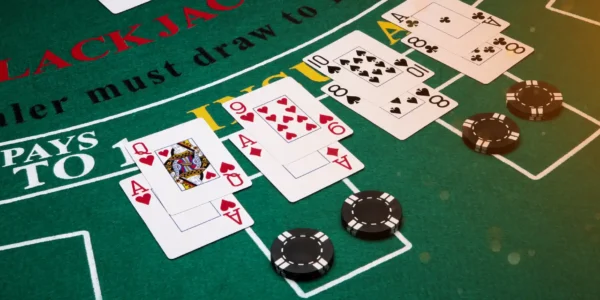
One example would be a player being dealt an Ace and 6, while the dealer shows a 10. This is one of the most common soft 17 problem spots. The player sees 17 and the dealer shows a strong card. The temptation might be to stand and hope the dealer has a weak hole card. In this situation, basic strategy usually points towards hitting.
The reason is that a dealer 10 can easily become 20 if the hidden card is another 10-value card. It can also become 17, 18, 19 or 21 in many other ways. A player total of 17 is often not strong enough against that kind of upcard. The soft hand still has a chance to improve. A 2 makes 19, a 3 makes 20, a 4 makes 21, and an Ace makes 18. A 10-value card turns the hand into hard 17. There’s no bust on that first hit, but that doesn’t mean the hand will win. The next card may not improve the hand, and the dealer could still make a stronger total. The decision is not about knowing the result; it’s about choosing the play that makes better sense before the next card is known.
Soft 17 Against a Dealer 6
Another situation could be that the player has an Ace and 6, while the dealer shows a 6. This looks very different from facing a dealer 10. The dealer 6 is generally a weaker upcard, but the dealer still has to draw according to the table rules. This means the hand can run into bust totals more often than it would from stronger upcards.
In many basic strategy guides, soft 17 against a dealer 6 is a double if the table allows it. This isn’t because soft 17 is a strong total. It is because the dealer 6 is a weaker upcard, and the Ace gives the player more room to improve the hand. If doubling isn’t allowed, hitting is usually the next choice.
Standing is usually weaker because it leaves the hand at 17 and does not use the Ace. A dealer 6 may look weak, but that does not mean 17 is automatically enough. The hand can still improve, so basic strategy often points towards hitting or doubling where the rules allow it.
Related Blackjack Articles
Soft 17 in Live Dealer Blackjack
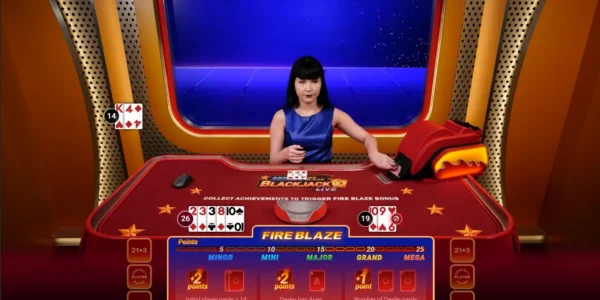
Live Dealer Blackjack on PokerStars can make soft 17 feel a little more rushed because there is a real dealer on screen and a decision timer. For example, Ace and 6 against a dealer 9 may look like a hand to stick with, but it is still soft 17. Basic strategy usually points towards hitting here because the hand can still improve. Standing leaves the player on 17 against a dealer card that can easily build into a stronger hand.
The live dealer format changes how the decision feels. The dealer is on screen, other players may be at the same table, and the pace can feel quicker. That can make a simple decision feel bigger than it really is. In Live Dealer Blackjack, it helps to slow the hand down mentally. The decision is about more than the number 17. It also matters whether the hand is soft or hard, what the dealer is showing and whether the table uses H17 or S17 rules.
Soft 17 After an Extra Card
Soft 17 can change as soon as another card is drawn. If the player starts with Ace and 6 and then draws a 9, the hand becomes hard 16 instead of going bust. That might look odd at first, because the total has gone from 17 down to 16. The reason is the Ace. It now counts as 1 instead of 11.
The next decision then needs to be made based on the new hand total and dealer upcard. A soft hand can turn into another soft total but can also become hard after later cards. For example, a player might start with Ace and 6, then take another card and draw a 10. The hand then becomes hard 17. It’s no longer soft because the Ace has to count as 1, so the next decision follows hard 17 logic instead.

Soft 17 and Double Down Rules
Doubling soft 17 only matters if the table rules allow it. Some Blackjack games allow doubling on any two cards, while others only allow it on certain totals. Some allow doubling after splits, and some don’t. PokerStars Live Dealer Blackjack tables can also have their own rules.
When doubling is allowed, soft 17 can become a double-down hand against certain dealer upcards, usually the weaker ones. When doubling isn’t allowed, hitting is usually the next choice. This matters because a basic strategy guide might say double, but the table rules may not allow it. If that happens, the player still needs to choose what to do next, and for soft 17, that usually means hitting. Blackjack isn’t played in one fixed format. Table rules can change what the player can do, so the same soft hand can be played differently from one table to another. This is why it helps to check the rules before playing, especially in online or Live Dealer Blackjack on PokerStars.
Soft 17 and Insurance
Soft 17 can show up when the dealer’s visible card is an Ace. In that situation, the table may also offer insurance. Insurance is a side bet offered when the dealer’s upcard is an Ace. It’s a separate bet on whether the dealer has Blackjack and doesn’t change the player hand itself.
A player holding soft 17 against a dealer Ace still has to think about the main hand. Insurance doesn’t change that hand because it’s a separate side bet. Insurance can sound like protection, but it’s still a side bet with its own house edge. It doesn’t make soft 17 stronger, and it doesn’t change what happens to the main hand. The soft 17 decision still comes down to the player’s hand and the dealer’s up card.

Soft 17 and Side Bets
Some of the Blackjack games hosted on PokerStars include side bets. Some live dealer blackjack games often include side bets such as 21+3, Perfect Pairs or other table-specific options. These can make games a little more interesting, but they don’t change the soft 17 decision in the main hand. A player can win or lose a side bet, but the main Blackjack hand still comes down to the cards and dealer upcard. Side bets shouldn’t distract players from the main hand decision. This is especially true in Live Dealer Blackjack, where side bet panels and extra options can make the screen feel busier.
The Role of Chance in Every Soft 17 Decision
Even when soft 17 is played correctly, chance still decides the next card. A player can hit soft 17 against a dealer 10 and draw a 3, making soft 20. That is a really strong result. Another player can make the same decision and draw a 9, leaving the hand as hard 16 and making the next decision more difficult.
Both players made the same decision, but the cards changed the outcome. Doubling against a dealer 5 or 6 works in a similar way. It may be the right move according to basic strategy, but the one card drawn can still leave the player with a weak hand. The dealer can still make a hand, and the result can still go against the player. This is why Blackjack strategy should never be treated like a guarantee.

Final Thoughts: The Soft Hand Myth
The myth of the soft hand is that it’s already safe. Soft 17 proves why that isn’t always true. Ace and 6 may total 17, but it’s not the same as 10 and 7. The Ace gives the player more options, and that changes the decision. In many Blackjack situations, soft 17 isn’t a hand many players will stand on. Against several dealer upcards, basic strategy usually suggests hitting. Against weaker dealer cards such as 3, 4, 5 or 6, doubling may be the better option when the rules allow it. The exact decision still depends on the table rules. The dealer’s soft 17 rule, doubling rules, game format and number of decks can all affect the final decision.
A soft hand gives the player more room, but it can still lose. The next card could improve the hand, turn it into a hard total, or leave the player in a tougher spot. The dealer’s hidden card is still unknown too. That’s why soft 17 should never be treated like a finished hand. In many situations, basic strategy uses the Ace to give the hand a chance to improve, instead of leaving 17 as it is. Soft 17 is one of those Blackjack hands where the rules and dealer’s upcard matter just as much as the total.
FAQs
What is soft 17 in Blackjack?
Is soft 17 the same as hard 17?
What does H17 mean?
What is the soft hand myth in Blackjack?
Should a player stand on soft 17?
Why is soft 17 different from hard 17?
Can soft 17 turn into a hard hand?
Does basic strategy guarantee a win with soft 17?
Top Content


Trending