The History of Slot Machines – From Liberty Bell to Modern Online Gaming
Slot machines have changed a lot since the first mechanical games appeared more than a century ago. What started with metal reels, levers and a small number of symbols has developed into one of the most recognisable types of games found on casino platforms like PokerStars.
Today, a slot can include slick animations, bonus rounds, progressive jackpots and themes based around almost anything. With that said, many of the designs used by those early machines are still easy to recognise. Slot history shows how the games gradually changed over time. Mechanical parts were eventually swapped out for electrical parts, physical reels were replaced by video screens, and casino cabinets were later recreated as software that could run on computers, tablets and phones.
The Early History of Slot Machines
The earliest machines linked to modern slots appeared towards the end of the 19th century, when manufacturers began experimenting with ways to turn card games and other forms of gambling into automatic machines. These early designs were completely mechanical, relying on gears, drums and levers instead of screens or computer software.
One of the first major examples came from Sittman and Pitt in New York in 1891. Their machine was based on poker and used five rotating drums displaying 50 playing-card faces. A player inserted a nickel, pulled a lever and waited for the five drums to stop, creating what looked like a poker hand across the front of the machine.
The Sittman and Pitt Poker Machine
Unlike later slots, the Sittman and Pitt machine couldn’t automatically pay different prizes depending on the result. Poker created too many possible hand combinations for the simple mechanical technology of the time, so prizes were normally handled by the venue instead. A strong hand could earn something such as a cigar or a free drink, with the exact prize decided by the venue where the machine was being used.
Operators also had much more freedom to change how these machines worked. The machine used 50 cards, with the Jack of Hearts and Ten of Spades left out, reducing the number of possible Royal Flush combinations and changing the odds in the venue’s favour. This machine already had several designs that would later become applied to slot machines, including a side lever, a payment before each game and a result created by the turning drums. What it couldn’t do was recognise that result and pay the correct prize by itself, which became one of the biggest differences between these poker machines and the slots that followed.
Related Slots Articles
Charles Fey and the Liberty Bell
Charles Fey was a San Francisco mechanic who became one of the most important names in slot history. Instead of using five poker drums and dozens of possible card combinations, Fey simplified the game considerably. His Liberty Bell machine used three spinning reels and a much smaller selection of symbols, including horseshoes, diamonds, spades, hearts and the Liberty Bell itself.
Reducing the number of reels and symbols meant the machine had far fewer possible combinations to deal with. This allowed the mechanism to recognise different results and automatically pay the prize instead of relying on a bartender or venue owner. Landing three Liberty Bells resulted in the top payout of 50 cents, while other symbol combinations paid smaller amounts.

Why Fruit Symbols Became Part of Slot History
The fruit symbols seen on countless modern slots weren’t originally added because cherries and lemons looked good on the reels. Their rise was due to gambling restrictions in the early 20th century, when cash-paying machines faced bans in parts of the United States. Cash-paying slots had been banned in San Francisco by 1909, forcing manufacturers to find different ways of keeping similar machines available.
One idea was to replace cash prizes with gum or sweets. Reel symbols then began representing different flavours that would be paid out, helping cherries, lemons and melons become connected to the machines. More than a century later, those images are still used in slots even though there’s no need for them to represent prizes.
The Origin of the BAR Symbol
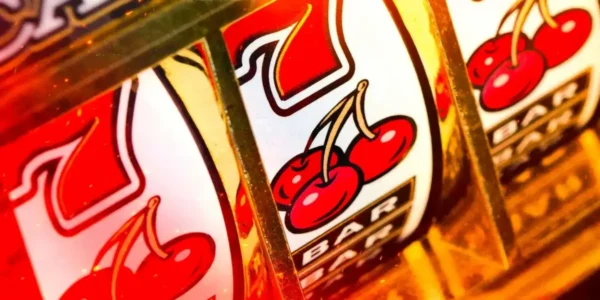
The BAR symbol has a similar story. It developed from the logo of the Bell-Fruit Gum Company and eventually became simplified into the familiar BAR design used by generations of slot machines. This means a player opening an online fruit-themed slot today will come across symbols that were being used more than 100 years ago.
The One-Armed Bandit Became a Casino Icon
The lever on the side of early machines became another major part of the traditional slot image. Pulling it physically started the mechanism and sent the reels spinning, eventually creating the nickname “one-armed bandit.” At first, the lever actually did something, but that gradually changed as electricity and later computer technology took over.
Even when the lever didn’t actually do anything, some manufacturers kept including it because players were used to the action. Later machines could work perfectly well with a button, but the lever had already become strongly associated with slots. Even now, pictures of classic slot machines nearly always show that familiar arm on the side.
Mechanical Slots Become Electromechanical
Electricity started to change slot machines in a big way during the 20th century. Older games relied heavily on springs, gears and other physical parts, while electrical components gave manufacturers more room to experiment with payouts, lighting, sound and visuals.
One of the most important machines from this time was Bally’s Money Honey, released in the early 1960s. It is widely associated with the move into fully electromechanical slots. The game still kept a lever and familiar reels, but the technology inside the cabinet was becoming increasingly electrical instead of purely mechanical.
Money Honey Changes the Casino Floor
Money Honey had a much larger coin hopper, allowing automatic payouts of up to 500 coins. Its electrical design also gave manufacturers more freedom to add lights, amplified sounds and multi-coin betting, making the machine stand out against other slots on a casino floor. Compared with the mechanical machines of the late 1800s, Money Honey could do much more without looking completely unfamiliar. The reels and lever were still there, but electricity was now doing far more of the work inside.

Video Slots Change the Screen
Physical reels were the next part of the traditional machine to change. In 1976, the Fortune Coin Company developed a machine using a modified 19-inch Sony television to display the reels on a screen. Instead of watching real wheels spinning behind glass, players watched a digital version.
At first, this must have looked very different to someone used to a traditional machine. A mechanical reel could be seen moving inside the cabinet, while a video screen asked the player to trust what was being displayed. Video slots initially faced some scepticism because players could no longer see physical reels producing the result.
Why Video Slots Opened Up New Possibilities
Once manufacturers were no longer restricted to just physical reels, they had much more freedom over what could appear on screen. Symbols could be animated, games could use more detailed artwork and entirely new screens could appear during bonus rounds. Developers no longer had to fit every part of the game onto a small number of spinning reels.
They could also build much more around a theme. Films, music, mythology, fantasy and branded characters could all become part of a slot because the screen could change whenever the game needed it. The reels remained at the centre, but everything around them could become much more detailed.
Microprocessors and Virtual Reels
By the early 1980s, microprocessors were starting to take over jobs previously handled by hard-wired electrical components. Results and features could increasingly be controlled through computer programming instead of a complicated collection of mechanical and electrical parts.
Microprocessors were starting to play a much bigger role in electronic gaming by the late 1970s and early 1980s. Around the same time, Si Redd’s Sircoma was developing video poker, blackjack, keno and slot machines before the company became International Game Technology, better known as IGT.
The Telnaes Patent and Virtual Reel Technology
In 1984, engineer Inge Telnaes was granted a patent for a system based around virtual reel stops. A purely mechanical reel had an obvious physical limit because only so many symbols could fit around the wheel. Three reels containing 20 stops each, for example, would create 20 x 20 x 20, or 8,000 possible combinations.
Virtual reels allowed the software to work with a much larger digital list of possible stops while the physical reel continued displaying a smaller number of visible symbols. The microprocessor could decide the result using this larger digital map and then show that result on the physical reel. This increased the number of possible outcomes without requiring enormous reels inside the cabinet.

Slots Become a Major Part of Casino Game History
Slot machines were not always treated as one of the main attractions inside casinos. Early Las Vegas casinos often placed them in areas such as hallways and near lifts, while games including blackjack and roulette were the bigger focus. Slots were commonly treated as a smaller side attraction instead of one of the main reasons to visit a casino.
That started to change as electromechanical machines became more reliable and new payment technology made them easier to use. Accepting notes meant players no longer needed to feed coins into a machine individually, while larger hoppers and electronic controls made it easier for casinos to manage more machines at once.
From Casino Distraction to Casino Staple
By the 1970s and 1980s, slots were taking up a much bigger role on casino floors. By the mid-1980s, slot machines had overtaken table games in total casino revenue, marking a major change in how casinos looked at them.
Machines that had once been placed around hallways and spare parts of the casino were now becoming a much bigger part of the floor. Slots had moved a long way from their earlier role as a smaller attraction beside the table games.
Bonus Rounds Make Slots Feel Bigger
Video technology allowed developers to do more than just spin the reels, show the result and start again. One important example was Reel ‘Em In from WMS Gaming, released in 1995 and credited with the rise of the second-screen bonus round. Instead of keeping every part of the game on the main reels, certain results could move the player to another screen.
The Rise of Themed Features
Second-screen bonuses gave developers far more freedom when building a theme. A fishing game could move into a separate fishing feature, while an adventure-themed slot could use treasure chests, characters or another scene away from the reels. Slots were no longer limited to showing symbols, stopping and immediately starting the next spin.
Modern games have now taken that much further, with Free Spins, multipliers, pick-and-win rounds and other bonus features now common. In many cases, those features still begin with something happening on the main reels.
The Move to Online Casino Slots
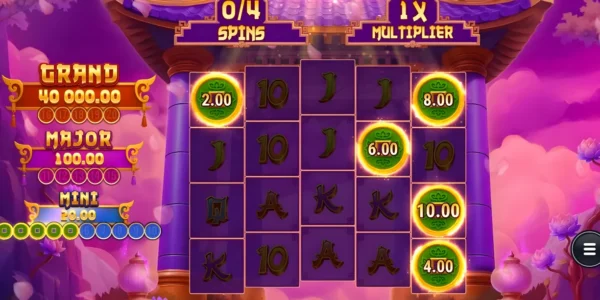
Once slots were controlled through software, there was no reason for every game to remain inside a physical casino cabinet. Slots could be recreated on desktop computers and later adapted for tablets and mobile phones, giving the same basic format a much larger reach.
The move online also changed how many games could be offered in one place. A land-based casino has a limited amount of floor space, while an online casino, like PokerStars, can hold a much larger digital library with games from many providers. Developers could create more themes, reel structures and feature styles without every title needing its own physical machine.
Online Slots Keep the Mechanical Look
Despite moving onto computer screens, online slots didn’t abandon the traditional appearance. Most still use reels moving vertically across the screen, and classic symbols such as fruit, bells and sevens are still common. Most of the real change was happening behind the screen. An online slot could now run entirely through software while still looking like a machine built with physical parts.
Classic Three-Reel Slots Remain Popular
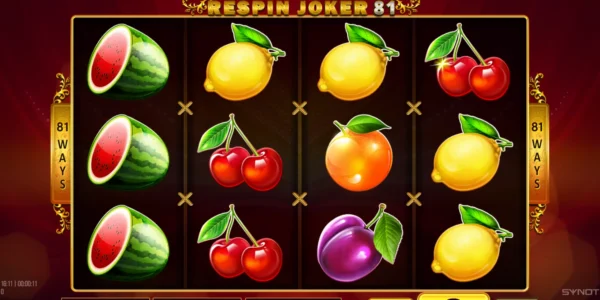
Modern technology lets developers create games with large grids, multiple reels and complicated bonus structures, yet traditional three-reel slots have never completely disappeared. Classic games still use small grids, fruit symbols, bells, BAR icons and lucky sevens, deliberately recreating the look of older machines.
Traditional three-reel designs still show up in both casinos and online platforms like PokerStars. This lets players open a modern slot and still see something that has much more in common with early machines than many of the larger video slots around it.
Final Thoughts: More Than a Century of Slot History
Over more than a century, slots have moved through several different types of technology. Sittman and Pitt used poker drums and venue-managed prizes, while Charles Fey simplified the idea into three reels and automatic payouts. Fruit machines introduced some of the symbols that still appear on titles today, and electromechanical systems made the machines brighter, louder and capable of handling larger payouts.
Video screens removed the need for physical reels, while microprocessors and virtual reel technology changed the mathematics working behind them. Bonus rounds added new screens and features, and online gaming eventually removed the need for a physical casino cabinet altogether. The reels never really went away. They may now exist only as an animation on a screen, but they are still the part of the game most people immediately recognise.
FAQs
Who invented the first slot machine?
Why do slot machines use fruit symbols?
Where did the BAR symbol come from?
What was the first video slot machine?
Why do modern slots still look like old mechanical machines?
How did slot machines become such a big part of casinos?
What changed when slots moved online?
Top Content


Trending